Last updated October 31, 2026
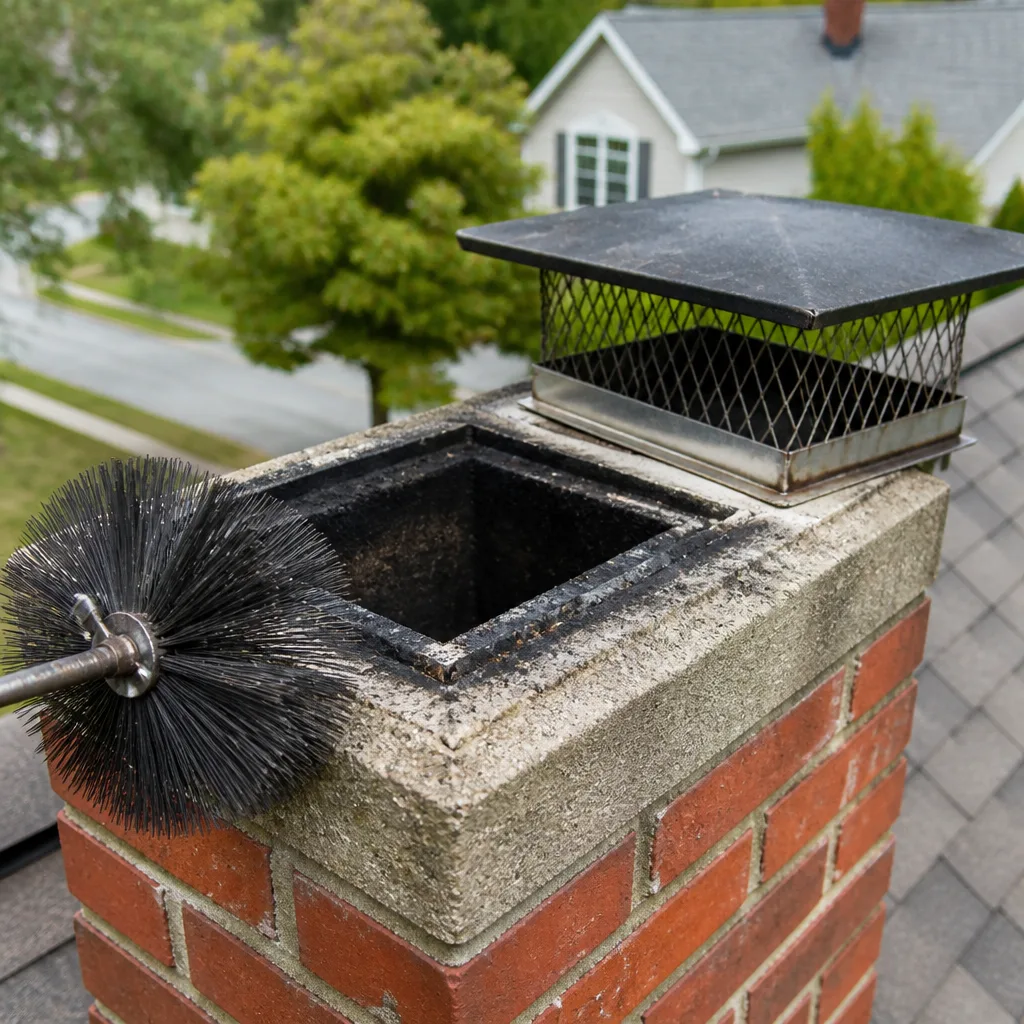 Sweep & inspection
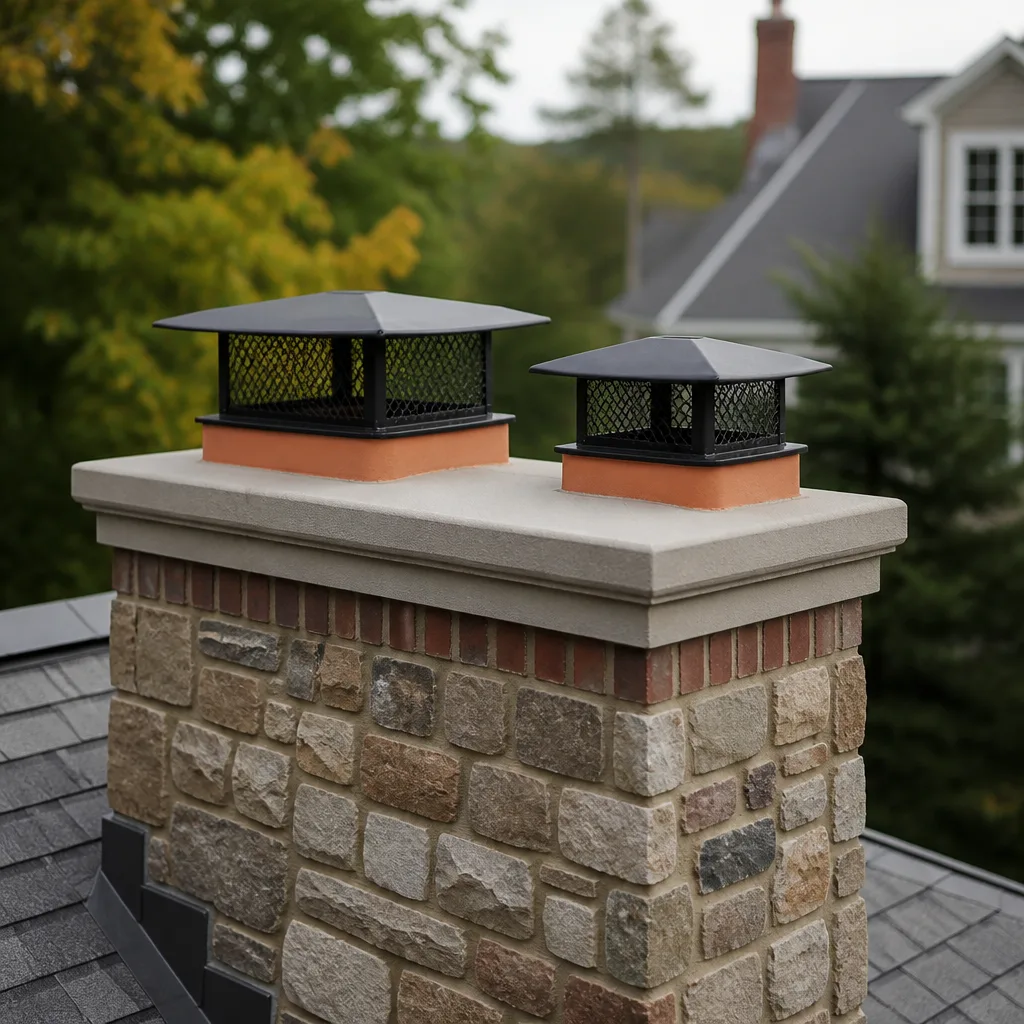 Caps & crowns
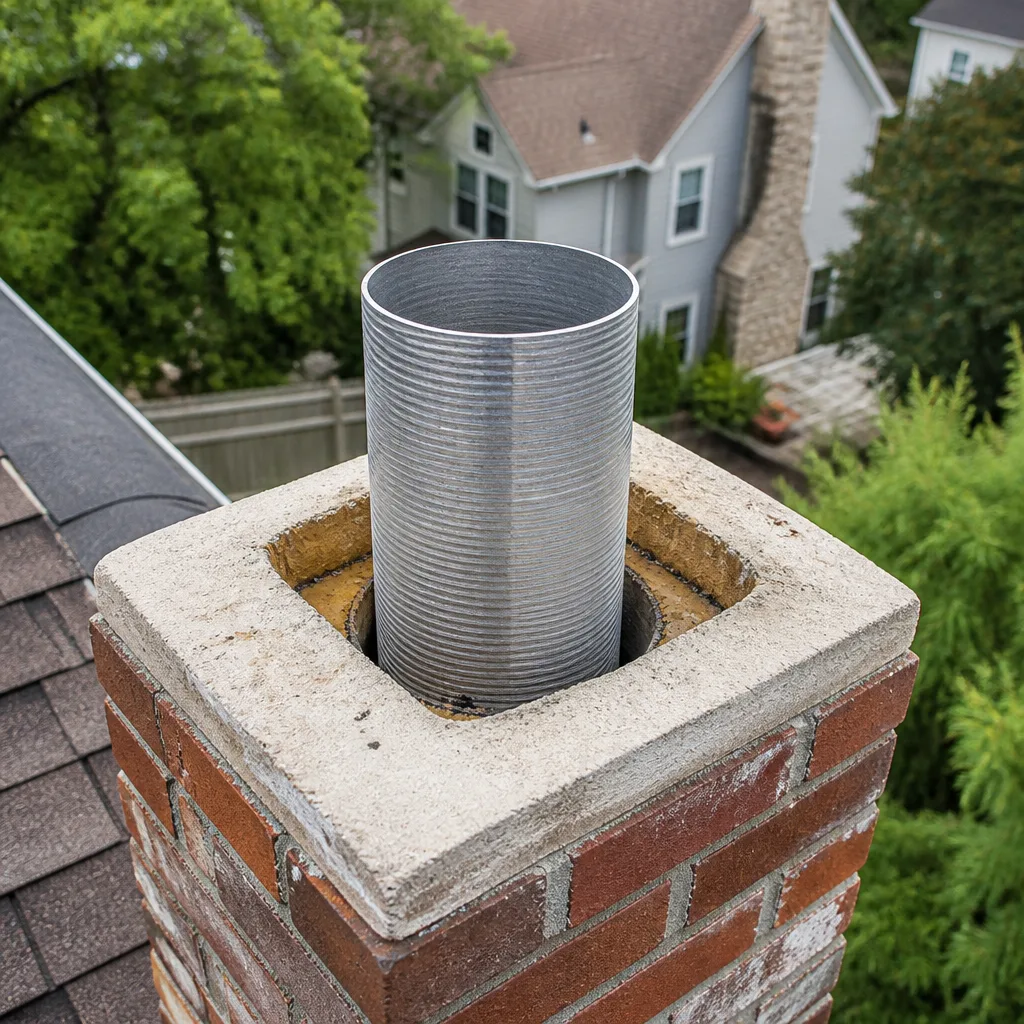 Flue relining
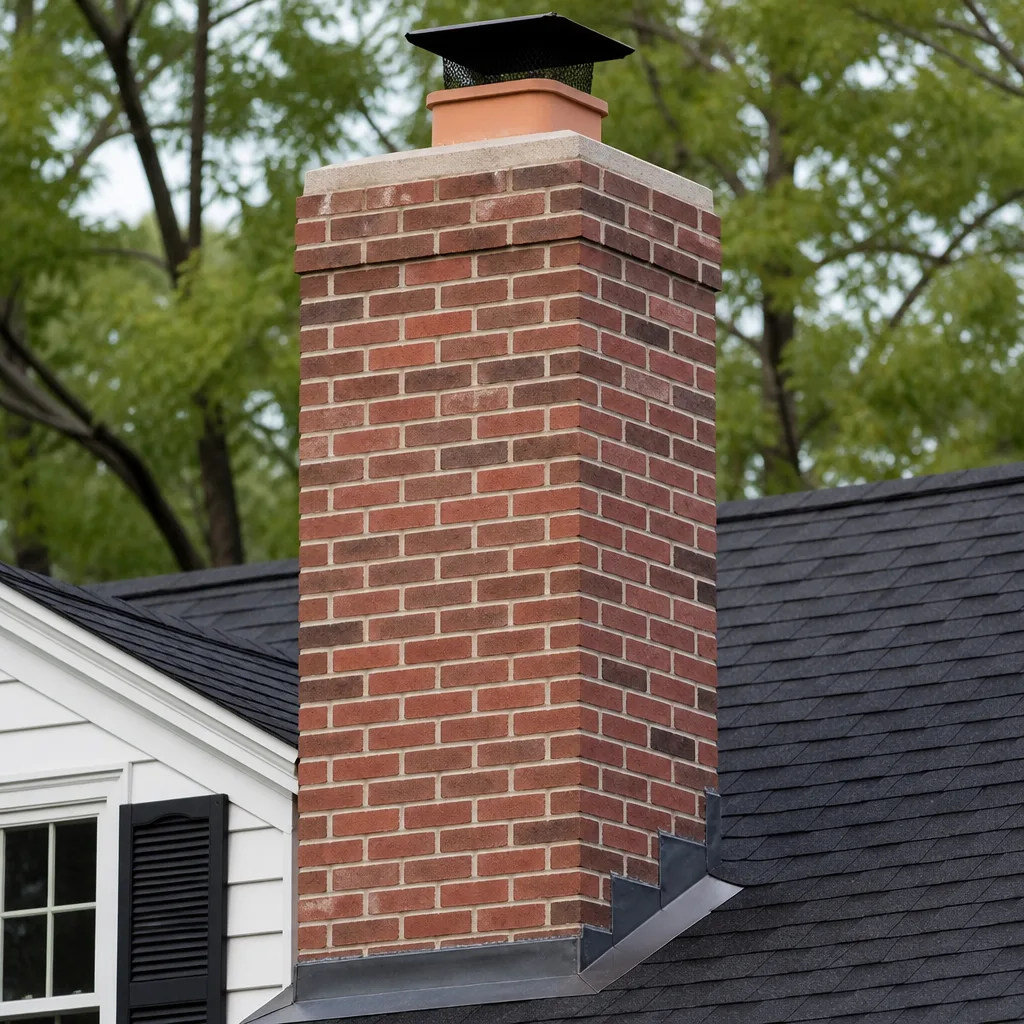 Masonry repair
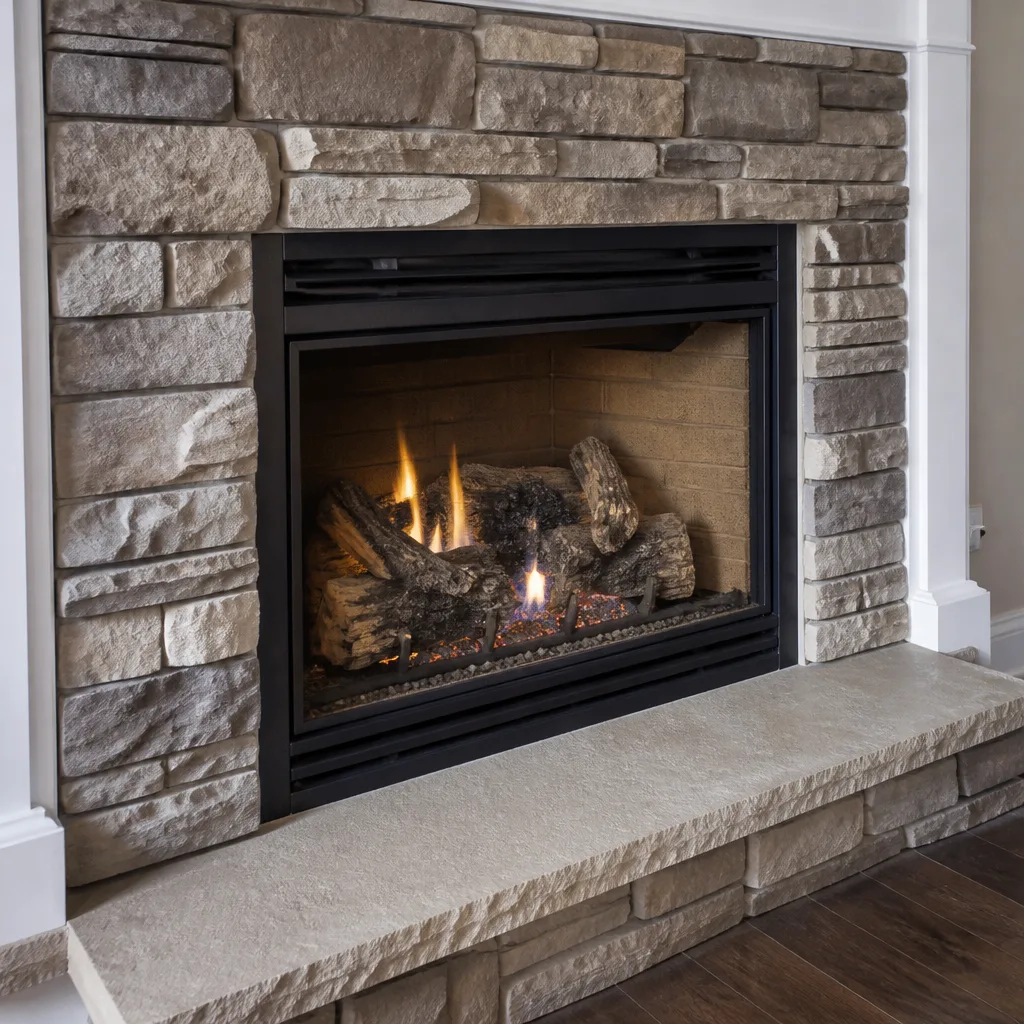 Gas fireplace service
Level 1 sweep and inspection to the NFPA 211 annual standard - flue, crown, cap, and flashing checked and photographed
Chimney sweep logs do not sweep chimneys. They loosen some creosote - which then falls where a brush and vacuum still have to collect it.
Chimney Sweep Maintenance Checklist for Georgetown Homeowners
A clean flue is not a maintained chimney. We see it every winter in Georgetown: a homeowner pays for a sweep, assumes the whole system is sound, and then a spring storm drives water through a cracked crown that nobody checked. The sweep removed the creosote. It did not fix the crown, the flashing, the damper, or the cap. That distinction matters more in Central Texas than in most markets, because our freeze-thaw cycles, summer UV, and humidity attack chimney components on a schedule that has nothing to do with how often you burn a fire. What follows is a maintenance checklist organized by component rather than by season. It tells you what to verify, what you can see from the ground, what requires a camera, and what happens in Georgetown specifically when any of these components fail. It is meant for the homeowner who would rather catch a $400 crown repair in October than a $4,000 rebuild in March.
Quick Answer
The short version: a complete chimney maintenance routine covers six mechanical components, not just the flue interior. You should visually check the cap, crown, flashing, and exterior brick from the ground twice a year, and have a technician inspect the liner, smoke shelf, and damper annually with a camera. In Georgetown, the components that fail first are almost always the crown and the throat damper, because our UV and humidity accelerate cracking and corrosion even when the chimney is never used.
Styles & brands we work with
Table of Contents
- The Component Checklist Most Homeowners Skip
- What Georgetown Homeowners Can Verify From Ground Level
- What Requires a Technician and a Camera
- Damper Inspection: Throat vs. Top-Mount in Georgetown’s Climate
- How to Log and Date Maintenance for Insurance and Disclosure
- Material Standards: Why Spec-Grade Parts Outlast Store Brands Here
- An Annual Schedule That Works for Georgetown
The Component Checklist Most Homeowners Skip
Most chimney maintenance guides are really just sweep schedules. They tell you to have the flue cleaned once a year and maybe check for creosote. That misses the point. A chimney is a system of six independent mechanical components, and any one of them can fail on its own timeline while the flue interior stays spotless. Georgetown sees every failure mode, but the order and frequency are specific to this climate.
Here is the full component list, with what to check for each:
- Chimney cap: The metal or masonry cover at the top of the flue. It keeps rain, birds, squirrels, and leaves out. A missing or undersized cap lets rain run straight down the flue, which is how Georgetown chimneys develop the rusty damper plates and deteriorated smoke shelves we so often find. Check for rust-through, missing mesh, or a cap that has blown off entirely.
- Crown: The concrete or masonry slab that caps the chimney structure, not the flue opening. It sheds water away from the brick. Georgetown gets enough rain-driven freeze-thaw in the winters and enough hard UV in the summers that crowns crack faster here than in many other Texas markets. A cracked crown lets water into the chimney chase, and that water works on the brick and mortar from the inside out.
- Flashing: The metal junction where the chimney meets the roofline. Worn flashing is the leading cause of chimney-adjacent ceiling stains in Georgetown homes. It is also the component homeowners blame on the roof, when it is a chimney repair. You can sometimes see lifted or corroded flashing from the roof edge, but confirmation usually requires an inspection from the roofline.
- Liner: The vertical passage inside the flue, usually clay tile, metal, or a poured product. The liner keeps heat and combustion gasses from reaching combustibles in the house structure. A cracked or separated clay tile liner is a fire hazard and a carbon monoxide hazard. It cannot be verified from the ground, and most of the time it cannot be verified with a flashlight from the top. It needs a camera.
- Smoke shelf: The flat or curved ledge just above the throat of the firebox, below the damper. It catches rain, debris, and creosote that falls from above. When water sits on the smoke shelf because the cap failed, it corrodes the damper hardware and can cause a smell in the house, especially in Georgetown’s warm months when humidity activates old creosote.
- Damper: The movable plate that seals the firebox from the flue when the fireplace is not in use. In Georgetown, throat dampers in particular fail early because of our humidity and because failed caps allow moisture to sit on the plate. Rusted or warped dampers leak conditioned air year-round and can’t be replaced without opening the firebox or going in from the top.
Every item on that list has a pass/fail condition. When you know what each one is for and how it fails, you know what to ask about when the technician says the chimney “looks fine.” Fine is not a finding. Fine is a way of ending the conversation.
What Georgetown Homeowners Can Verify From Ground Level
You do not need a ladder, a camera, or a certification to gather useful information about a chimney. You need clear eyes, a dry day, and a willingness to stand in the yard and actually look. We recommend doing this twice a year in Georgetown: once in late spring after the storm season, and once in late fall before you start burning. The two walks serve different purposes. The spring check catches storm damage. The fall check catches what the summer sun and the October rains did.
- Start with the cap. Stand back far enough to see the top of the chimney, or use binoculars. Is the cap straight or canted? Is the mesh intact? Can you see daylight through the side of the cap, or rust at the seams? A chimney with no cap, or with a cap that has split at the seam, is taking rain into the flue every time it storms. That is not a summer problem in Georgetown. It is a problem by the next spring.
- Then the crown. From the same vantage point, look at the concrete surface around the cap. You are looking for visible cracks wider than a pencil line, spalling where the concrete surface is flaking away, or a crown that has pulled away from the flue tile. Georgetown brick and concrete move a lot with temperature swings. If you can see cracks from the ground, they are worse up close.
- Scan the brick and mortar. Walk around the side of the house if you can. Look for white chalky staining on the brick, which is efflorescence and means water is moving through the masonry. Look for missing or crumbling mortar joints. Look for brick faces that have popped off. None of that is cosmetic. In Georgetown, a spalled brick face means water got behind the brick and the expansion cycle has begun.
- Check the flashing line from below. If you can see where the chimney meets the roofline from the ground, look for lifted metal, missing sealant at the top edge, or dark staining on the roof deck below. Water that enters at the flashing often shows up as a ceiling stain inside the house before you ever see the flashing itself.
- Inspect the firebox, if you have a masonry fireplace. Open the glass doors or the screen and look inside. You are looking for cracked firebrick panels, a rusted damper plate that will not move, or debris sitting on the smoke shelf just above the damper. You will not be able to reach the smoke shelf, but you can often see the edge of it with a flashlight from the firebox floor. If there is wet black soot sitting there, water has been coming in from above.
That is the ground-level pass. It takes ten minutes and it costs nothing. What it does not tell you, and what it cannot tell you, is the condition of the liner, the smoke shelf interior, or the upper portions of the flue that are invisible from both below and above. For that, you need a camera and someone who knows what they are looking at.
Resolute Chimney Sweep’s Chimney Sweep in Georgetown visits include a camera inspection as part of the standard scope. That matters because the camera is where the useful information comes from. The sweep is the cleaning. The camera is the diagnosis.
What Requires a Technician and a Camera
Some components are simply not inspectable by eye, no matter how careful the homeowner is. The liner is the big one. A clay tile liner runs the full vertical length of the flue and is hidden inside the chimney chase. You cannot see the middle sections from the roof or the firebox. You cannot tell from the outside whether the joints between tiles have separated or whether a tile has cracked and fallen into the flue. And those are the failures that matter most for house fire risk.
In Georgetown, liner failures follow a pattern. The upper sections of clay tile survive better because heat and weather stress them less. The middle sections get the worst of it, because that is where the temperature gradient is steepest and where condensation from gas appliances, if a gas log set or furnace vents into the same flue, weakens the clay. Without a camera, you are guessing.
The same applies to the smoke shelf. You can see the near edge from the firebox. You cannot see what is sitting on the shelf surface or whether water has pooled and corroded the damper hinge from above. Our camera run down from the top or up from the firebox shows the shelf in detail.
We recommend a camera inspection once a year for any active wood-burning chimney, and once at minimum before you buy a Georgetown home with an existing masonry fireplace. The findings are visual. When Resolute finds a cracked liner, the customer sees it on the screen during the visit. When we find water damage at the smoke shelf, the customer sees that too. There is no recommendation made without the image to support it. That is how a homeowner avoids being told they need a liner replacement on someone’s word alone.
For liner repair or replacement, Resolute works in Chimney Repair in Georgetown using professional-grade liner systems. HeatShield resurfacing handles liner restoration without a full rebuild in many cases, and DuraFlex liners handle full relines to code. The point here is not to sell the product. The point is that a camera finding and a repair path should live in the same appointment.
Damper Inspection: Throat vs. Top-Mount in Georgetown’s Climate
Georgetown has a humidity problem that most chimney guides do not account for. The damp heat of a Central Texas summer, combined with the fact that many Georgetown homes run air conditioning for eight months a year, creates a condensation cycle inside the flue that accelerates corrosion in one specific place: the throat damper.
A throat damper is the traditional design. It sits just above the firebox, at the base of the flue, and it seals by seating against a metal frame. It is simple, it is common, and it is vulnerable. When warm humid air rises into the flue from outside and meets the cooler interior air from the house, moisture can condense on the metal. When the cap above has also failed, that moisture becomes standing water. The result is a damper plate that rusts, warps, and stops seating, which means the fireplace drafts and the house leaks conditioned air even when the fire is out.
Top-mount dampers seal at the top of the flue, above the crown. They see more direct weather but they seal better and they tend to resist corrosion longer, because they drain rather than collect. They also keep the entire flue acting as an air column rather than letting chimney air spill into the firebox. When we find a failed throat damper in a Georgetown home and a flue that would benefit from a top-mount retrofit, we recommend the change. It is a material upgrade that pays back in lower summer cooling loss.
The pass/fail test for a damper is simple. Open and close it. Does it move through its full range without grinding or binding? Does it seat fully closed when released? Does light get through the edges when it is supposed to be shut? If the answer to any of those is no, the damper is failing. The repair is not a cleaning issue. It is a mechanical repair and should be scoped by someone who does chimney repair, not just cleaning.
If you have a gas log set, which is common in Georgetown, the damper must be locked into a partially open position per the manufacturer’s requirements. That is a safety issue, not a preference. A damper closed fully on an active gas log set can send carbon monoxide into the house. If you do not know whether your gas log damper has been properly set, that is a call to make sooner than later. Resolute handles this as part of our standard chimney service, and it is one of the most common adjustments we make in Georgetown homes with gas fireplaces.
How to Log and Date Maintenance for Insurance and Disclosure
Documentation is the part of chimney ownership that everyone agrees matters and almost nobody does. Until a claim goes in. Then the insurance adjuster asks when the chimney was last inspected, and the homeowner says “a few years ago, I think,” and that is the end of the conversation in the wrong direction.
Here is the system we recommend, and it works whether you use a paper folder or a notes app.
- Set an annual inspection date. Pick the same month every year. For Georgetown, we suggest September or October, before the burning season. The inspection record then predates the entire winter, which is what an insurer wants to see if there is ever a fire or water claim involving the chimney.
- Log the date, the service, and the finding. The entry does not need to be long. “October 14, 2026. Full sweep and camera inspection. Liner intact. Crown has hairline crack at southeast corner. Decision: monitor for one season.” That last sentence is the one that protects you. A documented decision to monitor is still documentation.
- Keep the photo evidence. Any professional camera inspection should provide images, either emailed or accessible in a report. Save them. When you sell the house, these images go into the disclosure package and answer the chimney question before the buyer’s inspector raises it.
- Attach repair invoices to the log. If you replaced a liner, repaired a crown, or installed a new cap, the invoice is proof that the work happened. A fifteen-year-old chimney that has had three documented, dated inspections and one CrownCoat treatment is a better disclosure than a five-year-old chimney with no paper trail.
- Use the same record for dryer vents. Dryer vent cleaning is a separate discipline from chimney sweeping, but the documentation logic is identical. A dated dryer vent cleaning receipt is the strongest response to an insurer who asks about lint-related fire prevention after an incident. Resolute’s Dryer Vent Cleaning in Georgetown service includes after-cleaning verification, and the invoice exists for exactly this purpose.
Georgetown is a disclosure state for home sales. Sellers are obligated to disclose known defects. A maintenance log that shows a known crown crack, noted and monitored, is an honest disclosure and a defensible position. A chimney that was never documented is a liability waiting for an inspector’s camera to find it at the worst possible moment.
Material Standards: Why Spec-Grade Parts Outlast Store Brands Here
Replacement parts for chimneys are not all the same product in different boxes. The cap you buy at a Georgetown hardware store and the cap a chimney professional installs differ in metal gauge, mesh type, coating, and fitment. In Central Texas, those differences are the difference between a cap that lasts five years and one that lasts twenty.
The UV load in Georgetown is punishing. Summer sun bakes roof penetrations for months, and cheap powder-coated steel caps fade, rust, and split at the seams faster here than in a milder climate. Spec-grade caps from manufacturers like Olympia Chimney or Gelco are made for this. The metal is heavier, the coating is formulated for outdoor exposure, and the product comes through professional chimney supply channels, not off the shelf. The labor to install either version is the same. The material cost difference is small. The lifespan difference is not.
The same logic applies to liners. A full reline is a serious job, and the liner is the one component that sits between your fire and the house’s framing. When Resolute installs a liner, we use DuraFlex flexible liner systems or comparable professional products. These are the liners specified by code and supplied to chimney professionals, not home-improvement stores. That is the entire point of the specification-grade stance. We install the product that matches the standard, not the closest thing that fit.
For liners that can be restored rather than replaced, HeatShield is the clear material choice. It is a cerfractory resurfacing product applied inside the existing flue. It restores a continuous, insulated surface inside a cracked or eroded clay liner. It is not a beginner’s repair, and it is not available as a DIY kit. It is the kind of technical repair that separates full-service chimney companies from cleaning-only operations. We mention it here because Georgetown homeowners deserve to know that “cracked liner” does not automatically mean a four-figure rebuild. Sometimes the correct material is a resurfacing treatment, and a qualified sweep will tell you when that is safe.
The takeaway is this: when a chimney component fails and has to be replaced, ask what brand is going in. If the answer is the same brand sold at the big-box store, the material is probably not a professional standard. The right material for the repair is the one specified by the industry for that repair type. That is what we install, every time.
An Annual Schedule That Works for Georgetown
Maintenance works when it is scheduled, not when it is remembered. Georgetown’s burning season is short by northern standards but the maintenance calendar runs year-round. Here is the rhythm we recommend.
October: Annual sweep and camera inspection. This is the pre-season pass. The sweep removes the creosote built up from the prior year. The camera confirms the liner, smoke shelf, and damper are sound. Any repair that needs to happen before winter is identified now, not in December.
November through February: Burn normally. Watch for water staining on the ceiling after heavy rain, any burning smell that appears when the fireplace is not in use, or a fire that smokes back into the room instead of drawing up. These are early warning signs of a problem that developed despite the October pass.
March: The spring storm check. Georgetown’s March and April storms are the most common source of crown and flashing damage we see all year. Stand in the yard and check the cap and crown again, the same ground-level walk from earlier in this guide. If a storm took roofing shingles elsewhere in the neighborhood, check your flashing line more closely.
May through September: The dormant season for wood burning, but not for the chimney. This is when Georgetown’s heat and humidity do their slow work on dampers, crowns, and unlined chimney interiors. If you have a gas log set, run a CO detector near the fireplace and check the damper position. If you have a dryer, this is the season to schedule dryer vent cleaning while the laundry room work is not competing with fireplace maintenance. Resolute Chimney Sweep handles the full sweep, vent, and repair scope from one point of contact, which means the October visit and the dryer vent work can be coordinated in a single call to (877) 644-8036.
The annual schedule is not complicated. The component checklist is not complicated either. What is complicated is the pile of deferred repairs that comes from treating the chimney as a hole in the roof instead of a system of six moving parts. The system view is the safe view.
Common Mistakes to Avoid
- Skipping the inspection because the chimney is not used. An unused chimney still takes rain, still cycles through Georgetown heat and cold, and still corrodes at the damper. The fire risk drops to zero, but the water and structural risk does not. Unused chimneys are often the worst ones we open, because the failure has been happening quietly for years.
- Assuming the sweep covers the whole chimney. A sweep clears the flue interior. It does not repair a crown, replace a cap, re-flash a roofline, or resurface a liner. When a technician says the flue is clean, the correct follow-up question is about the other five components.
- Buying a hardware-store cap and expecting a professional install. The material is the job. A thin powder-coated cap from a retail shelf fails early in Georgetown’s UV. The labor to replace it twice costs more than installing the correct cap once.
- Not documenting annual work. An unlogged inspection is a memory. A logged inspection with photos is a record. In a sale or a claim, the record is what counts.
- Ignoring damp air smells from the fireplace in summer. Georgetown’s humid warm periods produce a distinctive odor from wet creosote on the smoke shelf. It is not normal and not a cleaning issue. It means water is entering and sitting. The source is almost always the cap or crown.
- Leaving the damper closed on a gas log set. This is the most dangerous mistake on the list, because the consequences are invisible and immediate. A gas log damper must be set to the manufacturer’s required open position. If you inherit a gas fireplace when you buy the house, do not assume the position is correct.
See the difference
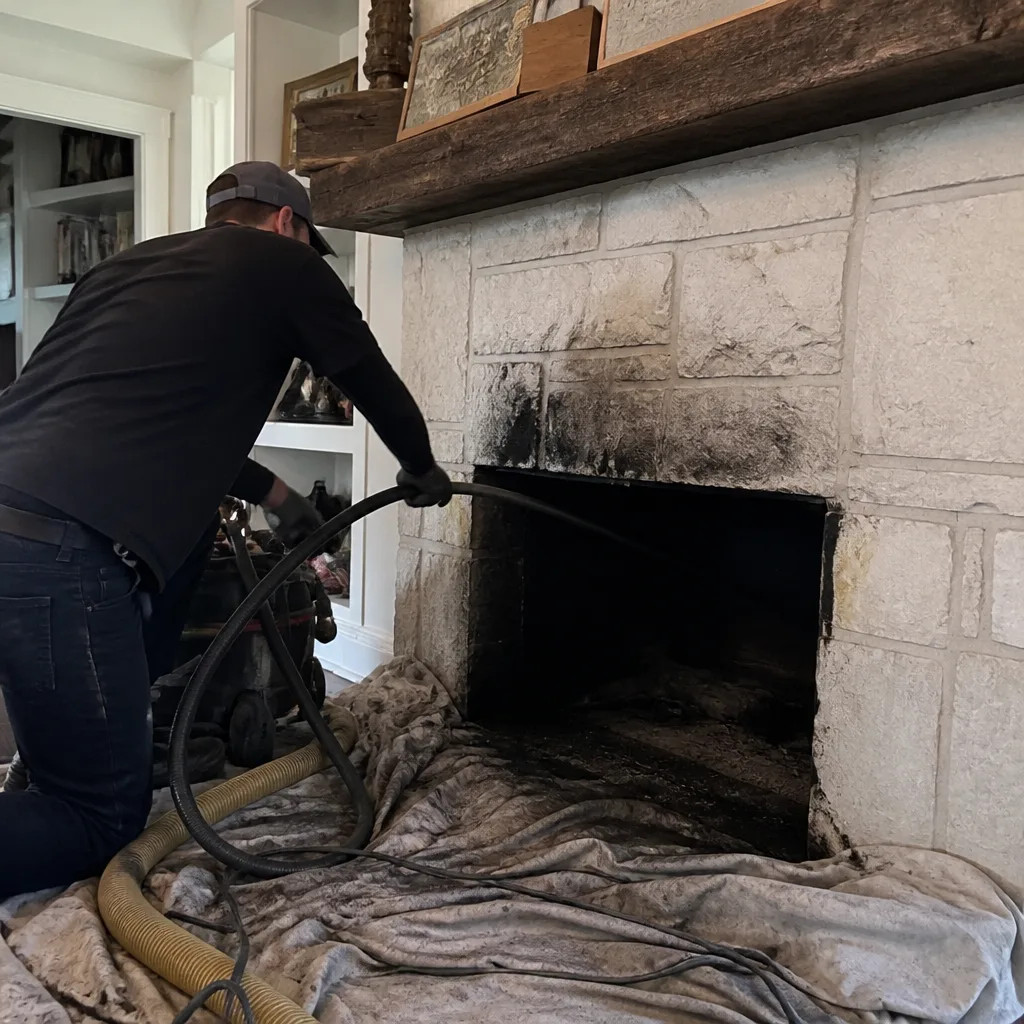 Before
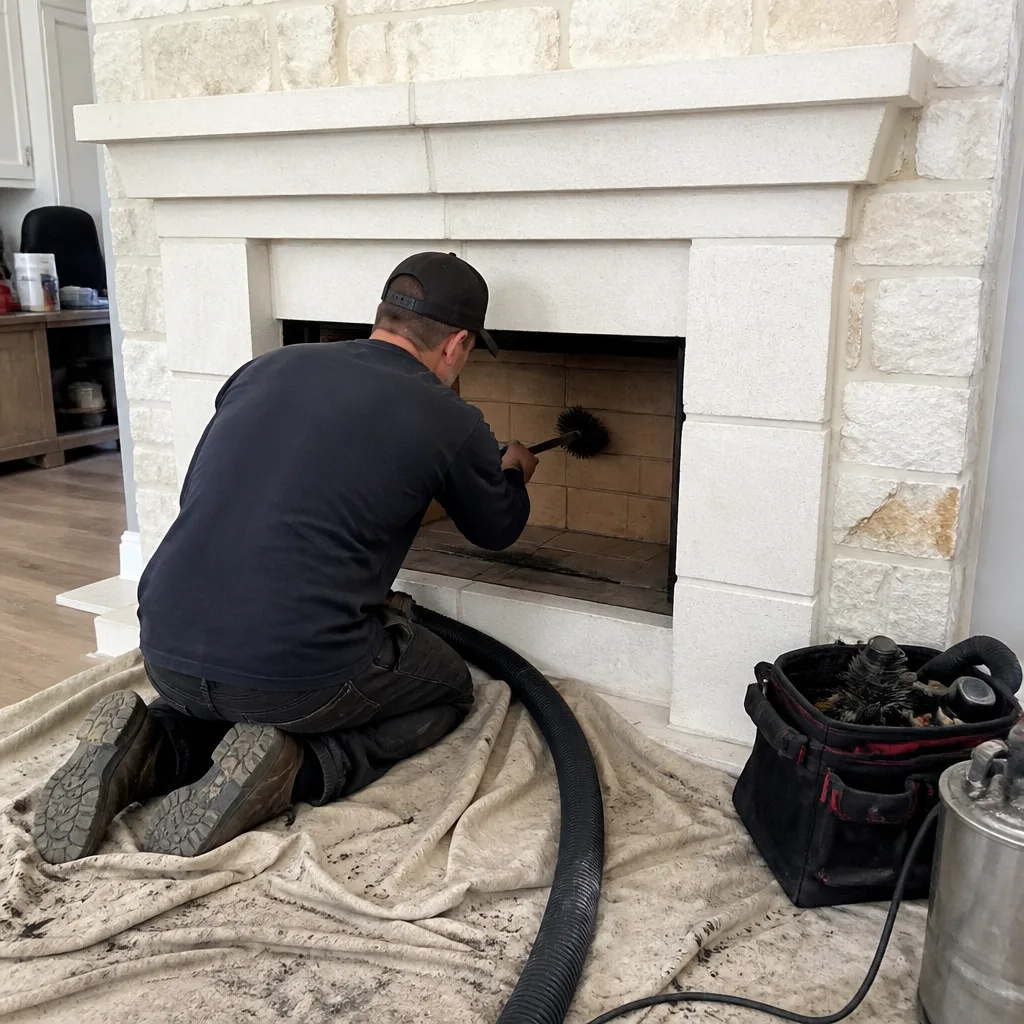 After
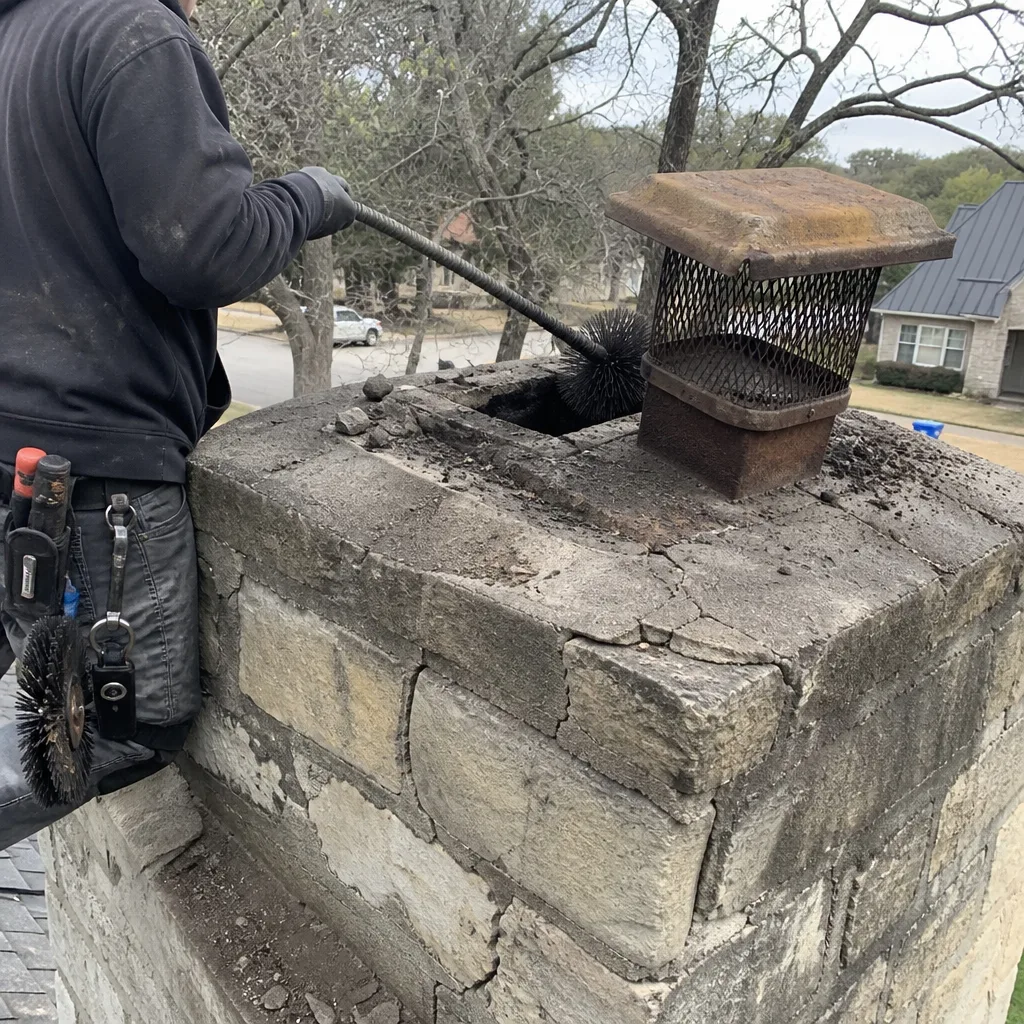 Before
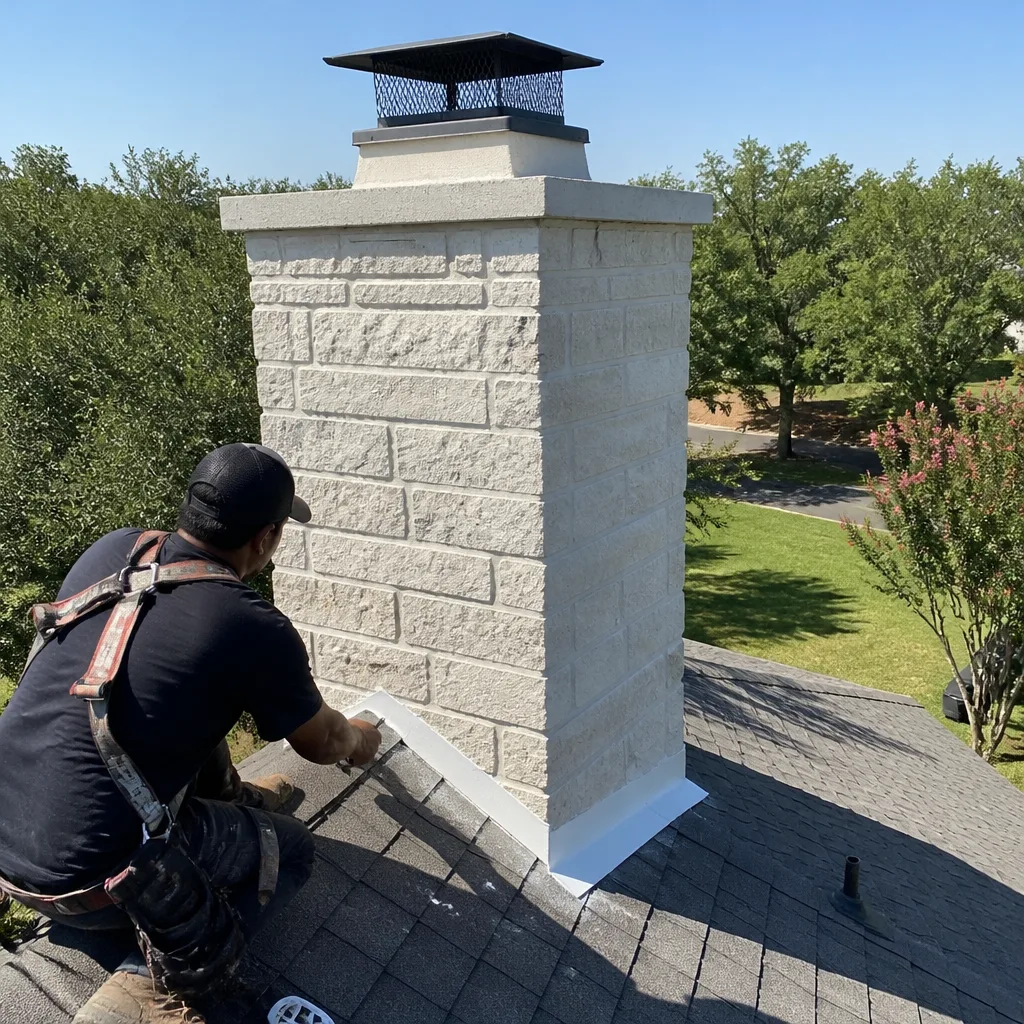 After
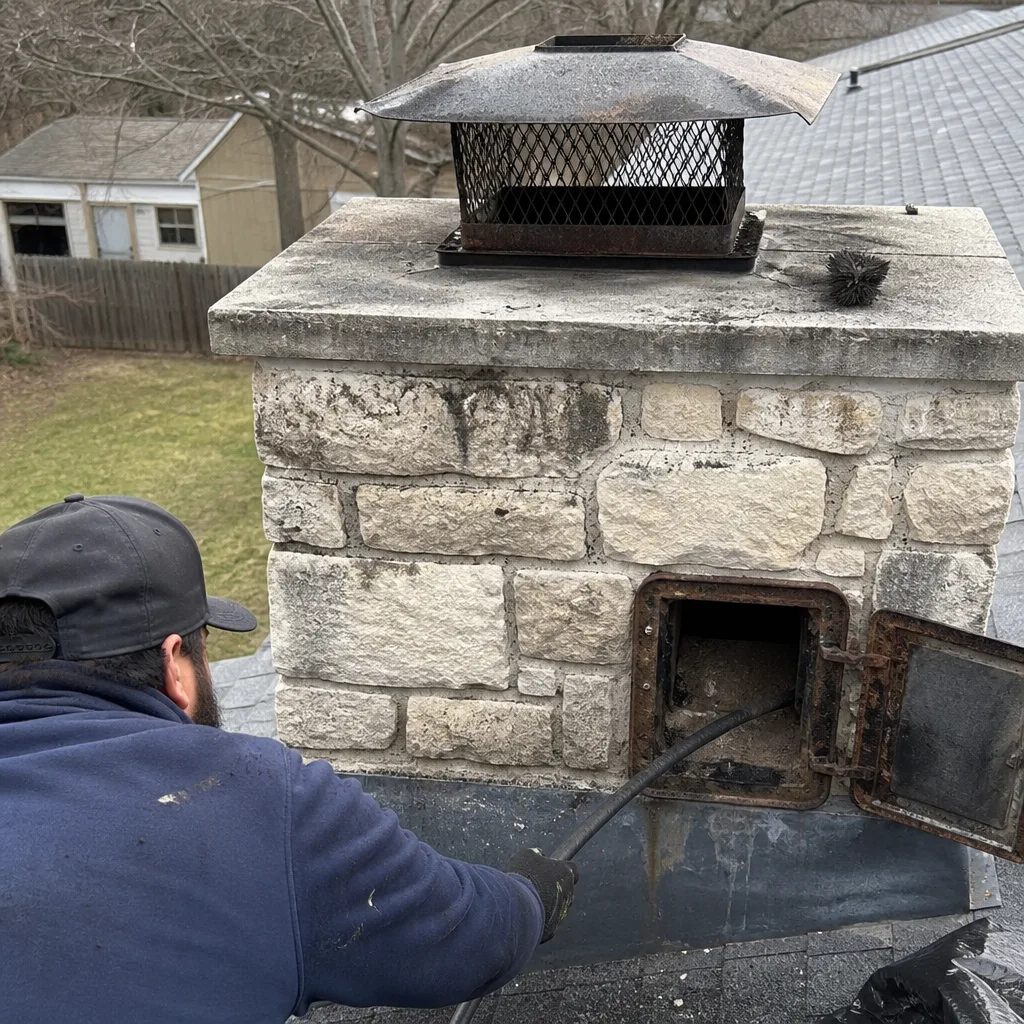 Before
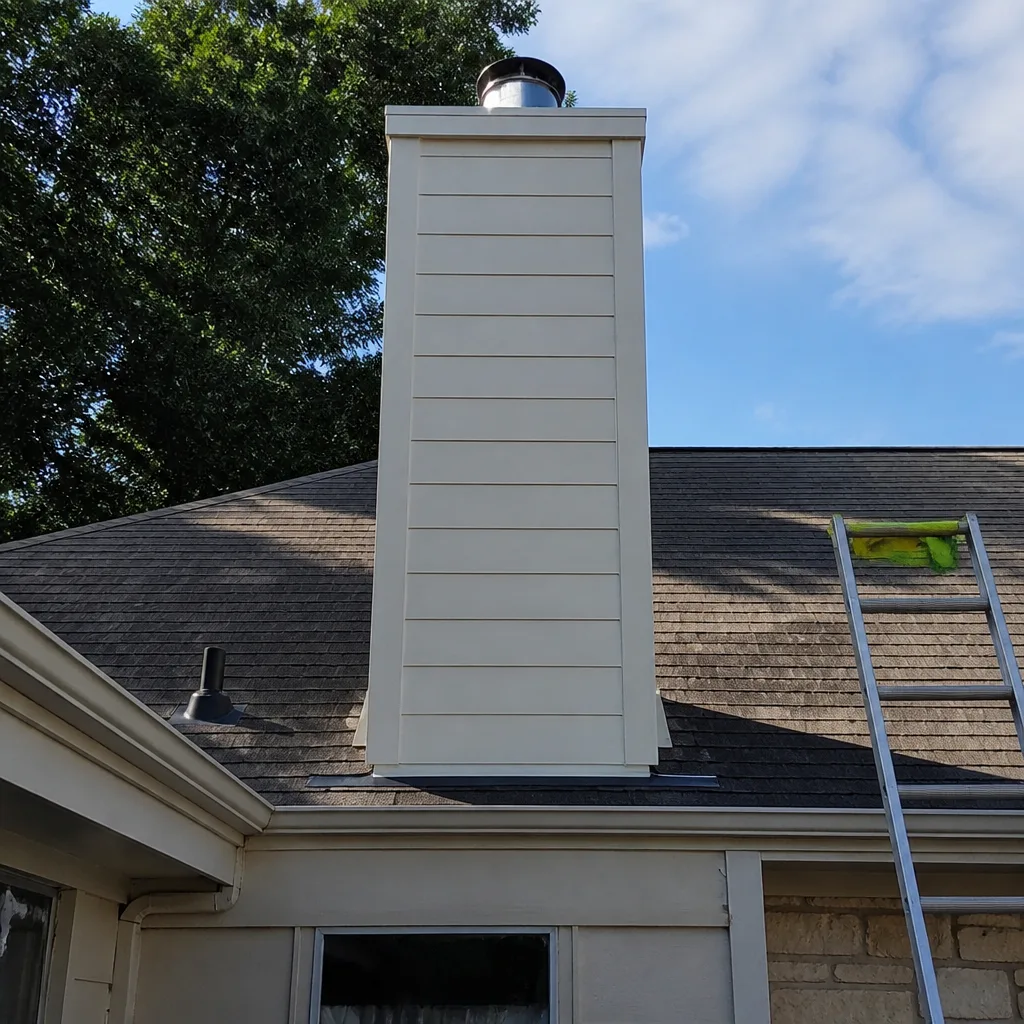 After
When to Call a Professional
Call a professional when the ground-level check raises a question you cannot answer, when the chimney has not been camera-inspected in over a year, when water staining appears near the fireplace or the roofline chimney chase, when the damper binds or will not close, or when you buy a home with a masonry fireplace and no maintenance records. Any one of those conditions justifies a service visit. Most of them are cheap to address early and expensive later. Gas appliance venting issues should always go to a qualified professional rather than a homeowner, because carbon monoxide risk is not something to troubleshoot by feel. Resolute Chimney Sweep offers free estimates in Georgetown for all three of our service lines: chimney sweeping, chimney repair, and dryer vent cleaning. Call (877) 644-8036 and we will tell you what the job needs and what it does not.
Frequently Asked Questions
Once a year is the baseline for any wood-burning fireplace, even in Georgetown’s short burning season, because creosote accumulates based on burn conditions rather than burn volume and Georgetown’s humidity makes existing creosote more corrosive than it would be in a dry climate. The cleaning should always be paired with a camera inspection so the liner and smoke shelf get evaluated at the same time. Call (877) 644-8036 to schedule the annual pass and the estimate is free.
A standard sweep with camera inspection in Georgetown typically runs in the $250 to $450 range depending on flue size, accessibility, and whether the prior year’s creosote load is unusually heavy. Repairs found during the sweep are always quoted separately with the camera images in hand, so the sweep cost and the repair quote never blur together. Call (877) 644-8036 for an exact number for your setup.
The most likely failure path in Georgetown is a cracked crown or failed cap letting rain into the flue, which then rusts the damper, saturates the smoke shelf, and eventually pushes water through the masonry into the house structure. A separate failure path is a cracked liner allowing heat or combustion gasses to reach the surrounding framing, which is the fire hazard. Both paths develop over years without obvious symptoms until the damage is expensive.
You can perform the ground-level visual checks described in this guide, and you should, twice a year. What you cannot do from the ground or the firebox is evaluate the mid-flue liner, the smoke shelf interior, or the upper crown surface. Those require a professional camera inspection, and in Georgetown we recommend one annually for active wood-burning chimneys.
Many cracked or eroded liners in Georgetown homes can be restored with HeatShield cerfractory resurfacing, which re-establishes a continuous insulated surface inside the existing flue without removing the old tile. The decision depends on the extent of the damage and the flue’s structural condition, which is exactly what the camera images show. A full reline with a DuraFlex system is the right call when the liner is beyond resurfacing, and you will see the evidence either way.
Yes, Resolute Chimney Sweep provides Dryer Vent Cleaning in Georgetown as a core service, because dryer exhaust and chimney exhaust share the same underlying risk profile: a hot, particulate-laden air path that becomes a fire hazard when it is not cleared. Many chimney-only companies do not touch dryer vents, so Resolute is the single point of contact for both systems, along with Chimney Repair in Georgetown for anything the camera finds.
The Bottom Line
A chimney that has been swept but not inspected is half-maintained. The six components that matter most in Georgetown are the cap, crown, flashing, liner, smoke shelf, and damper, and each one fails on its own schedule under our specific mix of UV, humidity, and storm cycles. The maintenance checklist works when it is organized by component, verified with a camera where required, and logged with dates and images. Spec-grade materials from professional supply channels outlast store-brand substitutes by a wide enough margin to make the material choice the most consequential decision in any repair. One call covers the sweep, the vent, and the correction when something is found. Start with the ground-level walk today and schedule the camera pass before burning season. The Resolute Chimney Sweep home service area includes all of Georgetown, and estimates are free at (877) 644-8036.
Written by the team at Resolute Chimney Sweep, serving Georgetown since 2014.