Last updated October 31, 2026
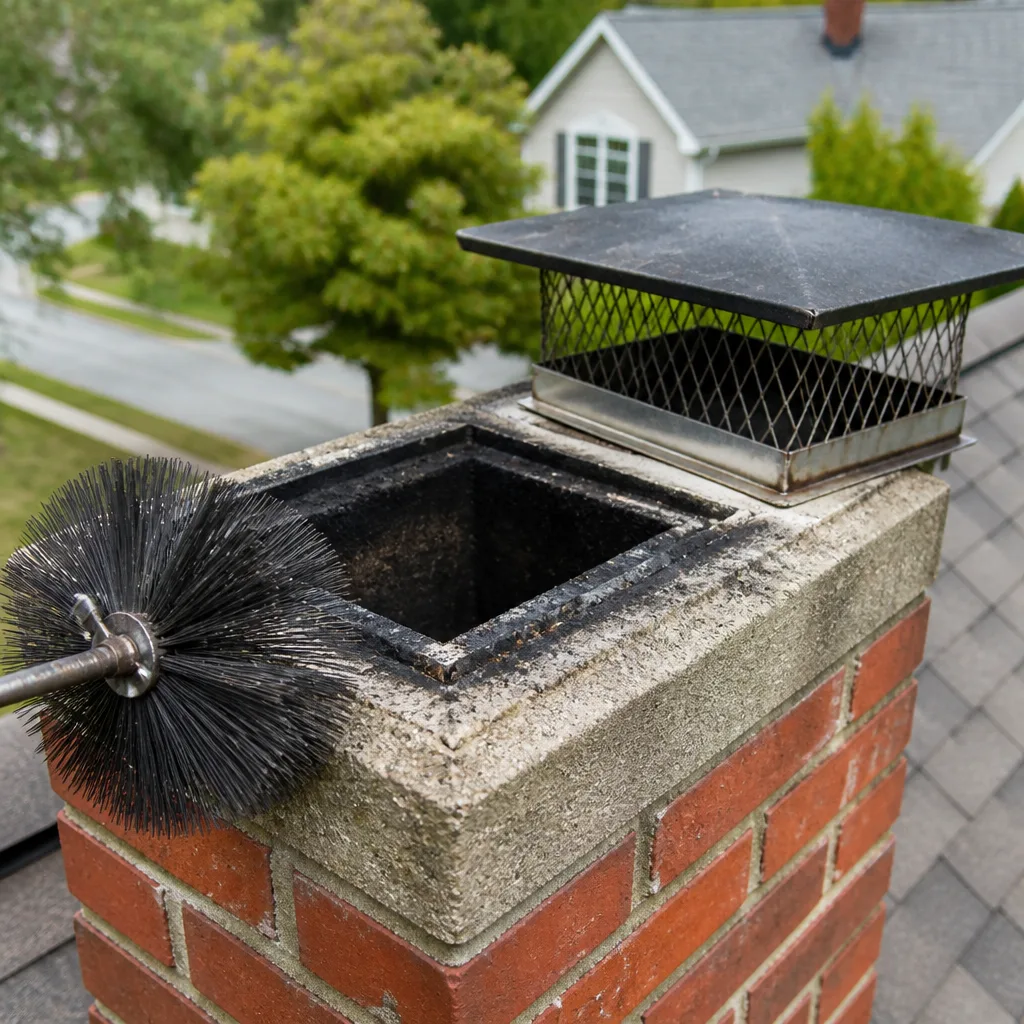 Sweep & inspection
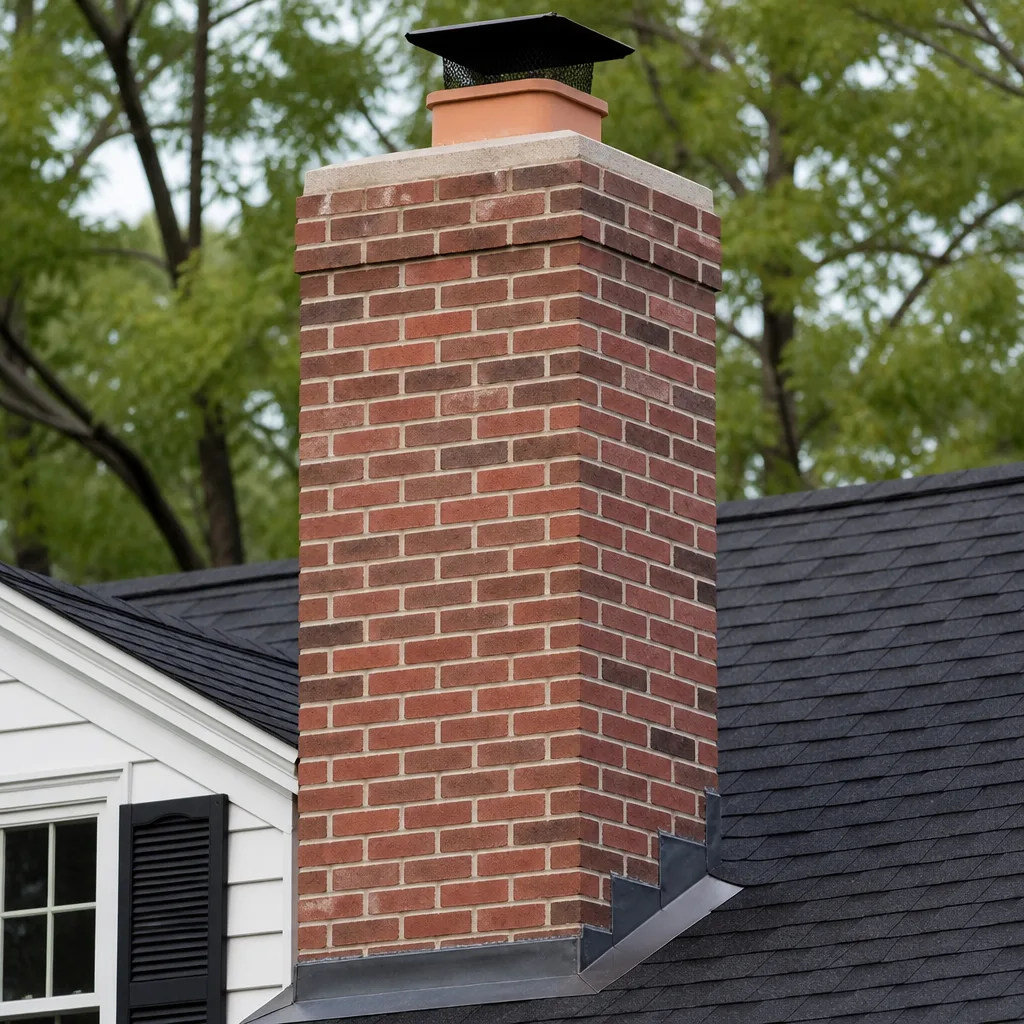
 Caps & crowns
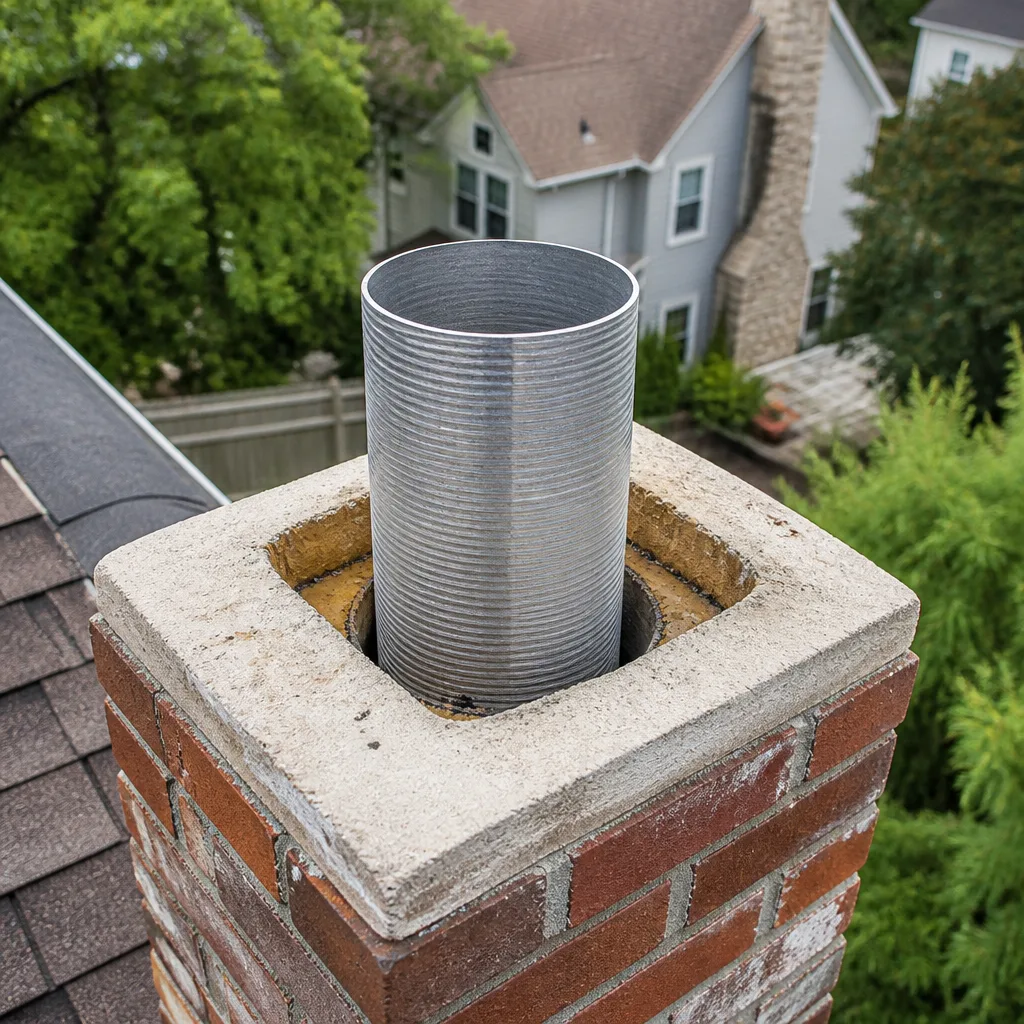 Flue relining
 Masonry repair
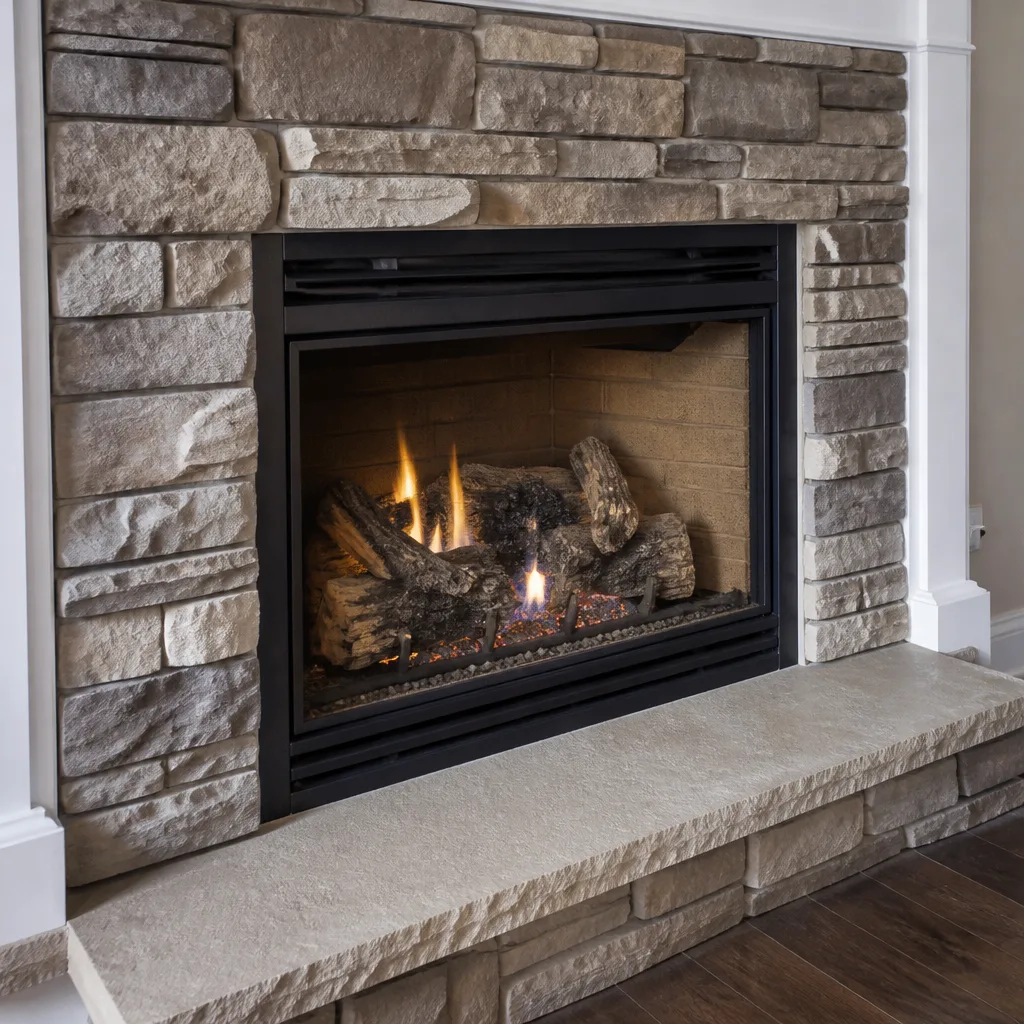 Gas fireplace service
Level 1 sweep and inspection to the NFPA 211 annual standard - flue, crown, cap, and flashing checked and photographed
Chimney sweep logs do not sweep chimneys. They loosen some creosote - which then falls where a brush and vacuum still have to collect it.
Choosing the Right Chimney Cleaning Brand: A Buyer’s Guide for Georgetown
The liner flex system a contractor installs carries a manufacturer warranty, but only when it’s installed by a credentialed professional using the correct application method. That means the brand and the installer are inseparable. Most Georgetown homeowners shopping for chimney work focus on price and schedule. The smarter filter is whether the contractor can name the product lines they install and explain why those specific components are specified for Central Texas conditions. This guide decodes the professional supply chain so you can tell the difference between a specification-grade chimney company and one working from whatever is on the truck. For more guides & resources, see our blog.
Quick Answer
The right chimney cleaning brand for a Georgetown home is not a single label but a family of professional product lines specified by certified chimney technicians: DuraFlex for liner systems, HeatShield for resurfacing, and Olympia Chimney, Gelco, Famco, or Copperfield for caps and components. These brands are sold through professional chimney supply channels, not retail hardware stores, and carry manufacturer warranties that only apply when installed correctly. A contractor who can name their liner supplier and cap manufacturer is one you can hold to a specification.
Styles & brands we work with
Table of Contents
- Why the Brand on the Box Matters More Than the Name on the Truck
- DuraFlex and Professional Liner Systems: The UL Standard Difference
- HeatShield Resurfacing vs. Mortar Parge: Why Material Formulation Decides Longevity
- Gelco and Olympia Chimney Caps: Gauge, Weld Quality, and Central Texas Weather
- Copperfield and Famco: What Technicians Source from Professional Supply Lines
- How to Screen a Georgetown Chimney Contractor Using Product Specifications
- Georgetown-Specific Conditions That Dictate Material Choice
- The Dryer Vent Connection: Why Specification Matters There Too
Why the Brand on the Box Matters More Than the Name on the Truck
Most homeowners evaluate chimney companies by reviews, responsiveness, and price. All three matter. None of them tell you whether the stainless steel liner going into your chimney was tested to the same standard as the one a certified sweep in Austin or Round Rock would install. Reviews measure customer experience. Product specification measures engineering. When you hire a chimney contractor in Georgetown, you are not buying labor hours. You are buying a combustion safety system that has to survive thermal cycling from 70 degrees on a February morning to over 1,000 degrees inside the flue during a fire. The components either meet that test or they do not.
Professional chimney supply chains exist for a reason. Manufacturers like DuraFlex, HeatShield, Gelco, Olympia Chimney, Famco, and Copperfield distribute through channels that require credentials to purchase from. A contractor who stocks these products has committed real money to inventory and training. A contractor who shows up with unmarked components from a big-box retailer has made different choices about how seriously they take the work.
We have replaced liner systems in Georgetown homes that were installed by “chimney companies” using flexible aluminum dryer vent material inside a wood-burning flue. That is not an exaggeration. It happens. The homeowner had no way to know because they had never been told what a proper liner looks like or what brand it should carry. That knowledge gap is exactly what this guide closes.
DuraFlex and Professional Liner Systems: The UL Standard Difference
DuraFlex is a flexible stainless steel chimney liner system manufactured by DuraVent, one of the most established names in the professional venting industry. The critical distinction for Georgetown homeowners is that DuraFlex liners are tested and listed to UL 1777, the safety standard for chimney liner systems used in masonry chimneys. That listing is not a marketing badge. It means the product was subjected to fire testing, thermal shock testing, and corrosion testing under laboratory conditions. Box-store flexible liners are often sold as “multi-purpose” or “appliance connector” material without a UL 1777 listing for the application they are being used in.
Here is what the UL 1777 listing actually covers:
- Fire resistance: The liner must contain a chimney fire without allowing flame or hot gases to reach the masonry structure.
- Thermal cycling endurance: The liner must survive repeated heating and cooling cycles without cracking, warping, or separating at the seams.
- Corrosion resistance: The stainless steel alloy must resist the acidic condensate produced by gas appliances, which is chemically different from the creosote produced by wood fires.
- Installation specification: The listing defines how the liner must be supported, terminated, and connected to the appliance. If installation deviates from the listing, the warranty and the safety rating are void.
That last point is the one most homeowners miss. A DuraFlex liner installed incorrectly is not a listed system. It is an unlisted assembly. The brand and the installer are locked together. When a Georgetown contractor recommends a reline, ask two questions: “What liner system are you specifying?” and “Are you following the manufacturer’s installation manual for that exact model?” A professional answers both without hesitation. A generalist changes the subject to price.
Resolute Chimney Sweep stocks and installs DuraFlex flexible liner systems for code-compliant relining work throughout Georgetown. That is not a brand preference for its own sake. It is the product line that allows us to stand behind a repair with a manufacturer-backed warranty and a professional installation standard.
HeatShield Resurfacing vs. Mortar Parge: Why Material Formulation Decides Longevity
When a chimney sweep pulls the damper and looks up at a deteriorated flue, the old-school fix was a mortar parge: a hand-troweled layer of refractory mortar smeared over the damaged surface. It worked, sometimes, for a while. The problem is adhesion and thermal cycling. Mortar has a different coefficient of expansion than the underlying masonry. It cracks. It spalls. Water gets in. The repair fails and the homeowner has paid for a temporary patch.
HeatShield is a ceramic-based resurfacing system engineered specifically for chimney flue restoration. The material is not mortar. It is a proprietary ceramic coating formulated to bond to the existing flue surface and expand and contract with the thermal cycles of a working chimney. It is applied as a systematic system: surface preparation, bond coat, application coat, and in many cases a foam form that shapes the new surface to the correct flue dimensions. The process is technical enough that HeatShield requires certification for installers. You cannot buy the material at a distributor without demonstrating competence with the application method.
How the material behaves matters more than what it is called:
- Thermal expansion compatibility: Ceramic-based compounds track the expansion of masonry more closely than cement-based mortars, which crack as the flue heats and cools.
- Adhesion strength: HeatShield is designed for mechanical and chemical bonding to aged clay tile, whereas mortar relies on surface roughness alone.
- Flue gas resistance: The cured coating resists the acidic byproducts of combustion that deteriorate clay tile over time.
- Application control: The foam-form method restores a round internal profile, which is critical for proper draft. A hand-parge rarely achieves a consistent diameter.
For Georgetown homeowners, the material choice is really a longevity choice. A chimney with a failed parge repair will need to be addressed again, often within five to seven years. A HeatShield resurfacing, installed by a certified applicator, is a restoration rather than a patch. Using HeatShield products also signals capability: a company that offers HeatShield is a full-service chimney repair operation, not a cleaning crew that dabbles in masonry. Resolute Chimney Sweep uses HeatShield resurfacing products for chimney liner restoration, a process beyond what basic sweep companies offer.
Gelco and Olympia Chimney Caps: Gauge, Weld Quality, and Central Texas Weather
Chimney caps look like simple metal boxes. They are not. The cap is the first line of defense against water intrusion, animal entry, and downdrafts, and it sits in the most exposed position on the entire chimney system. In Georgetown, that means direct sun, hail, wind-driven rain, and temperature swings that stress metal joints continuously. A poorly made cap fails at the seams, rusts through, or blows off entirely.
The difference between a professional cap from Gelco or Olympia Chimney and a hardware-store model comes down to three structural factors:
- Metal gauge: Professional caps are typically fabricated from heavier-gauge stainless steel or copper. Thinner material warps under heat and hail. When a cap warps, the mesh separates from the hood and animals get in.
- Weld quality: Gelco and Olympia caps are manufactured with welded seams and reinforced corners. Cheaper caps are often spot-welded or crimped, which means the joints fail first under wind load.
- UV and heat resistance: Central Texas sun degrades paint and powder coatings within a few seasons. Professional caps are designed for bare metal or coated finishes that withstand UV exposure without flaking into the flue.
Olympia Chimney is a long-standing manufacturer in the professional chimney supply industry, and their caps are specified by technicians across Texas for exactly these reasons. Gelco produces similar specification-grade products with a focus on multi-flue and custom applications. When a Georgetown chimney technician sources from these suppliers, it means the cap on your chimney was engineered for the weather it will actually face, not for a shelf in a retail aisle.
The right cap for your chimney also depends on the flue configuration, the appliance type, and the local wildlife pressure. Raccoons are a known issue in Georgetown neighborhoods along the San Gabriel River corridor, and squirrels are everywhere. A cap with the wrong mesh size or a loose installation is an open invitation. We regularly see chimneys in Sun City and Serenada with bird nesting material packed into the flue because the original cap failed. The fix starts with a professionally specified replacement.
Copperfield and Famco: What Technicians Source from Professional Supply Lines
Copperfield and Famco are stalwarts of the professional chimney and venting supply channel. They do not market to homeowners. Most Georgetown residents have never heard of them. That is the point. Products sold through professional distribution exist to serve contractors who have to stand behind their work, not to catch the eye of a weekend DIY shopper.
What do chimney technicians source from Famco and Copperfield?
- Termination caps and spark arrestors: The termination point of a chimney is a critical component for draft performance and fire safety. Famco produces a range of listed terminations designed for specific appliance categories.
- Chimney flashings and storm collars: Copperfield components are common on masonry chimney rebuilds, particularly for custom flashing work where sheet metal must be fabricated to fit an existing roof slope and chimney chase.
- Stainless steel rigid liner sections: For chimneys that require a rigid riser rather than a flexible liner, both Famco and Copperfield supply sections that meet professional installation standards.
The availability of these products in a contractor’s supply chain tells you something important about how they buy materials. A chimney company that sources from professional distributors has an established account, credit history, and continuing relationship with suppliers who hold them to account for installation quality. A company that buys from a retail shelf has none of that. When you ask a Georgetown chimney contractor where their components come from, a confident answer naming Famco or Copperfield or another professional line tells you they are embedded in the industry’s quality infrastructure.
Resolute Chimney Sweep sources components from Olympia Chimney, Gelco, Famco, and Copperfield: brands sold through professional chimney supply channels, not retail home-improvement chains. We make that choice because our name is on the repair. If a component fails, we answer for it. The supplier relationship is part of how we make that guarantee real.
How to Screen a Georgetown Chimney Contractor Using Product Specifications
You can do this before you ever invite a contractor to your home. The screening conversation is simple, and it will tell you more about the company than any review site. Here is the process:
- Ask what liner system they specify for a masonry chimney reline. A professional answer names a specific product line: DuraFlex, Flex King Pro, HomeSaver, or similar. A vague answer like “we use stainless steel” is a red flag. Stainless steel is a material category, not a specification.
- Ask what resurfacing product they use for deteriorated flues. If the answer is “we parge it with mortar,” understand that you are being offered a patch, not a restoration. If the answer is “HeatShield,” ask who on the crew is certified to apply it.
- Ask where they source their chimney caps. A supplier name like Olympia Chimney or Gelco means professional distribution. “Whatever the supplier has” means the cap selection will be driven by what was cheapest on the truck that week.
- Ask about the warranty on the components, not just the labor. Manufacturer warranties on liner systems and caps apply only when installation follows the listed instructions. A contractor who cannot explain the difference between a manufacturer warranty and a labor warranty has not thought through what guarantee actually means.
- Ask what happens when the sweep finds something wrong. This is the question that separates cleaning-only companies from full-service chimney contractors. If the answer is “we’ll refer you to someone,” you now have two companies to manage and two schedules to coordinate. If the answer is “we’ll show you the camera footage and fix it,” you have one point of accountability.
That last point matters more than most Georgetown homeowners realize. A routine chimney sweep often discovers cracked flue tiles, deteriorated mortar joints, or a damaged crown. If the company doing the cleaning cannot do the repair, the natural next step is a second company, a second diagnosis, and a second quote. Sometimes the repair gets postponed. Sometimes it gets forgotten. Found during the sweep, fixed by us is not a slogan. It is a scope of work. Learn more in our Complete Guide to Chimney Cleaning in Georgetown.
Resolute Chimney Sweep offers chimney repair alongside cleaning, so structural issues discovered during a sweep including cracked liners, deteriorated mortar, and damaged crowns can be resolved in the same service relationship without referring customers elsewhere. For Georgetown homeowners, that means one call covers the sweep, the vent, and the repair. For our Chimney Sweep in Georgetown clients, the inspection report becomes an action plan, not a referral list.
Georgetown-Specific Conditions That Dictate Material Choice
Georgetown sits on the eastern edge of the Texas Hill Country, with a climate that oscillates between humid summers and dry winters. The freeze-thaw cycles that damage chimneys in northern states are less severe here, but Georgetown has its own set of material stressors. The summer heat is relentless. Masonry expands. Flue tile contracts when the first cold front of November rolls through. Creosote that built up during a season of fires hardens into a glaze that is chemically and physically harder to remove than the flaky deposits common in wetter climates.
Chimney fires in Georgetown are most common in January and February. That is when the accumulated creosote from holiday-season fires reaches an ignition point. A chimney that was swept in October is a chimney that is already building new deposits by December. Homeowners who burn oak or mesquite, the two most common firewoods in Williamson County, produce creosote at rates that vary significantly depending on how well the wood is seasoned. Green oak is a creosote factory.
The material implications for Georgetown homeowners:
- Stainless steel liners over aluminum: The temperature swings and the corrosive qualities of creosote condensation make aluminum liners a poor choice for wood-burning appliances. Professional stainless steel is the specification.
- UV-rated caps: A cap that lasts ten years in Minnesota will fail in eight in Georgetown because the sun is doing more work. Professional caps with proper coatings are not a luxury; they are an adaptation.
- HeatShield over mortar parge: The thermal cycling from hot summer days to cold winter nights, combined with the freeze events Georgetown gets every few years, is precisely the condition that fractures mortar parges.
We have served homes across Georgetown, from Old Town to Teravista to Sun City, and the material failures we see follow a pattern. Older masonry chimneys without liners eventually develop flue deterioration that requires either a reline or a resurfacing. The homeowners who address it with the right materials do not think about their chimney again for decades. The homeowners who patch it think about it every time they light a fire.
The Dryer Vent Connection: Why Specification Matters There Too
Resolute Chimney Sweep extends its expertise to Dryer Vent Cleaning in Georgetown, and the logic is the same. Dryer vents and chimneys share the same stakes. Both are exhaust pathways for combustion byproducts. Both accumulate flammable material over time. Both fail silently, behind walls and above ceilings, until the fire starts.
Lint is the creosote of the laundry room. It is highly flammable, it builds up in the vent run, and it is the leading cause of residential structure fires related to exhaust systems. A Georgetown homeowner who runs a dryer four or five times a week is generating enough lint to fully obstruct a vent in the space of a year or two. The dryer works harder. The cycle takes longer. The exhaust temperature climbs. Eventually, the lint ignites.
The same specification logic applies to dryer vent materials. Professional dryer vent cleaning requires access to the entire run, not just the visible section behind the dryer. Many Georgetown homes have vent runs that span 15 to 25 feet through walls, attics, or crawl spaces. A proper cleaning requires rotary brush equipment, camera verification, and the ability to repair or replace damaged vent sections with code-compliant materials. A company that only cleans chimneys does not carry this equipment. A company that cleans dryer vents with a shop vacuum does not clean dryer vents.
Resolute means we see it through. The three-service scope of Chimney Repair in Georgetown, chimney sweeping, and dryer vent cleaning means one qualified company handles discovery, cleaning, and correction. The homeowner does not have to coordinate between a chimney sweep and an appliance repair service and hope the two communicate. The responsibility is ours.
Common Mistakes to Avoid
- Hiring on price alone. Chimney work is not a commodity. A $99 sweep special in Georgetown often loses money for the company, which means the incentive is to find “necessary repairs” that pad the invoice. A fair price for a proper sweep with an inspection is higher than $99 and lower than the cost of a chimney fire.
- Accepting a liner or cap without asking the brand. You would not accept a car repair without knowing what parts went in. A chimney liner is a far more consequential component. Ask for the product name and model number and verify it yourself.
- Treating a cleaning-only company as a full-service chimney contractor. The company that sweeps your chimney may not have the equipment, certification, or supply relationships to reline it. Ask about repair capability before you book the cleaning, not after the inspection report comes back.
- Postponing a repair identified during a sweep. The most common Georgetown chimney failure is the cracked flue tile that was noted on an inspection report and ignored for three winters. The repair does not get cheaper. The risk does not get lower.
- Skipping dryer vent cleaning entirely. Chimney sweeps are on the calendar. Dryer vents are not. Yet the number of residential fires caused by dryer lint exceeds the number caused by neglected chimneys. The vent deserves the same annual discipline.
- Assuming all stainless steel is equivalent. There are alloys and there are alloys. Professional chimney liners are manufactured in grades selected for flue gas resistance and thermal cycling. Generic stainless steel pipe from a hardware chain is not tested to the same standard.
- Hiring a handyman for chimney repair. A general contractor who can repair a roof cannot resurface a flue. The skill sets do not overlap. The materials do not overlap. The consequences of a botched chimney repair are silent and catastrophic in equal measure.
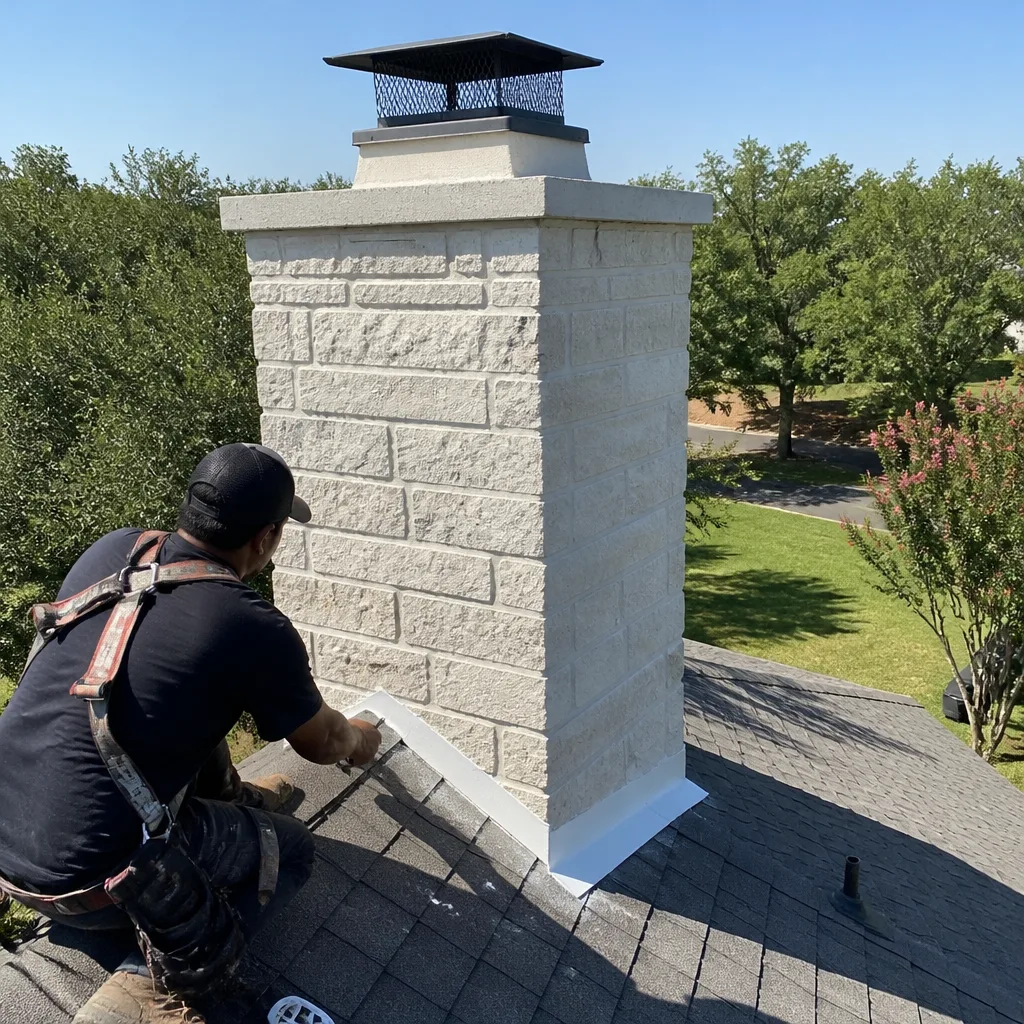
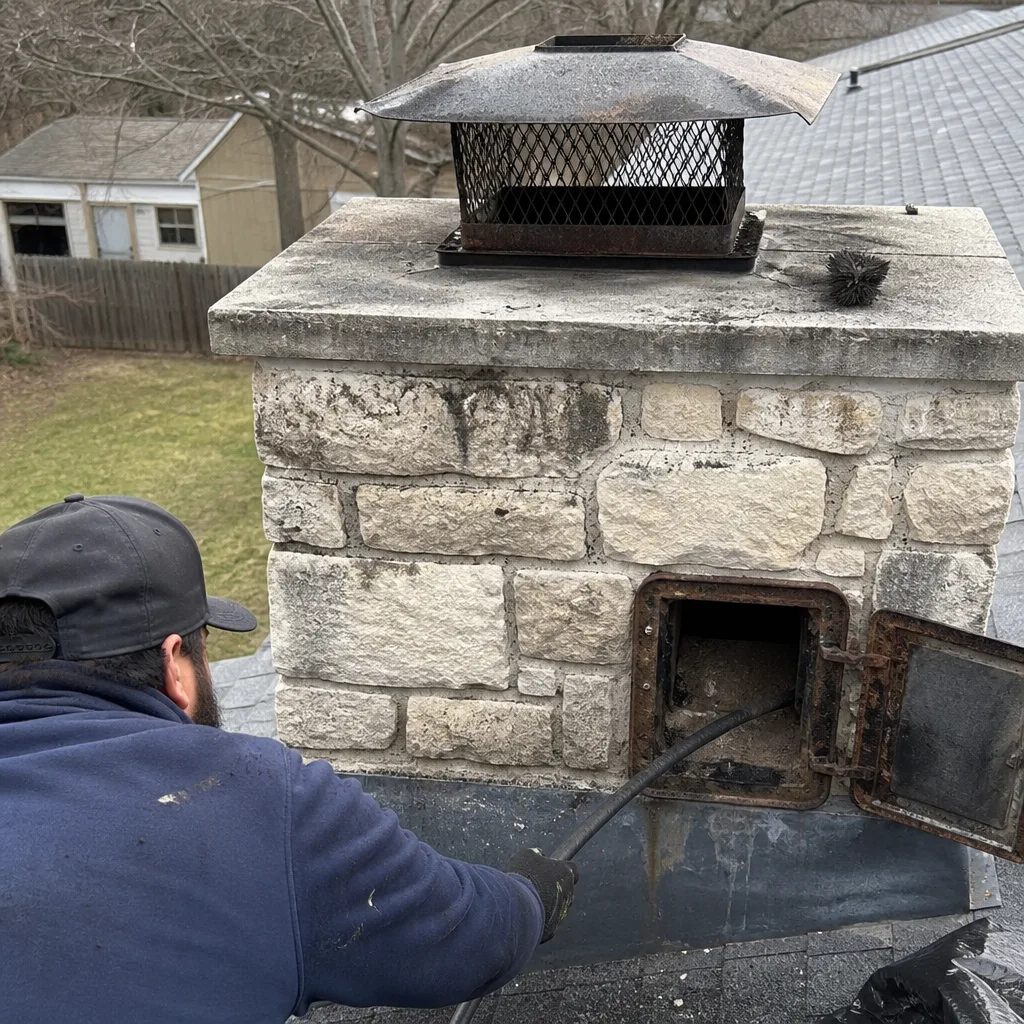
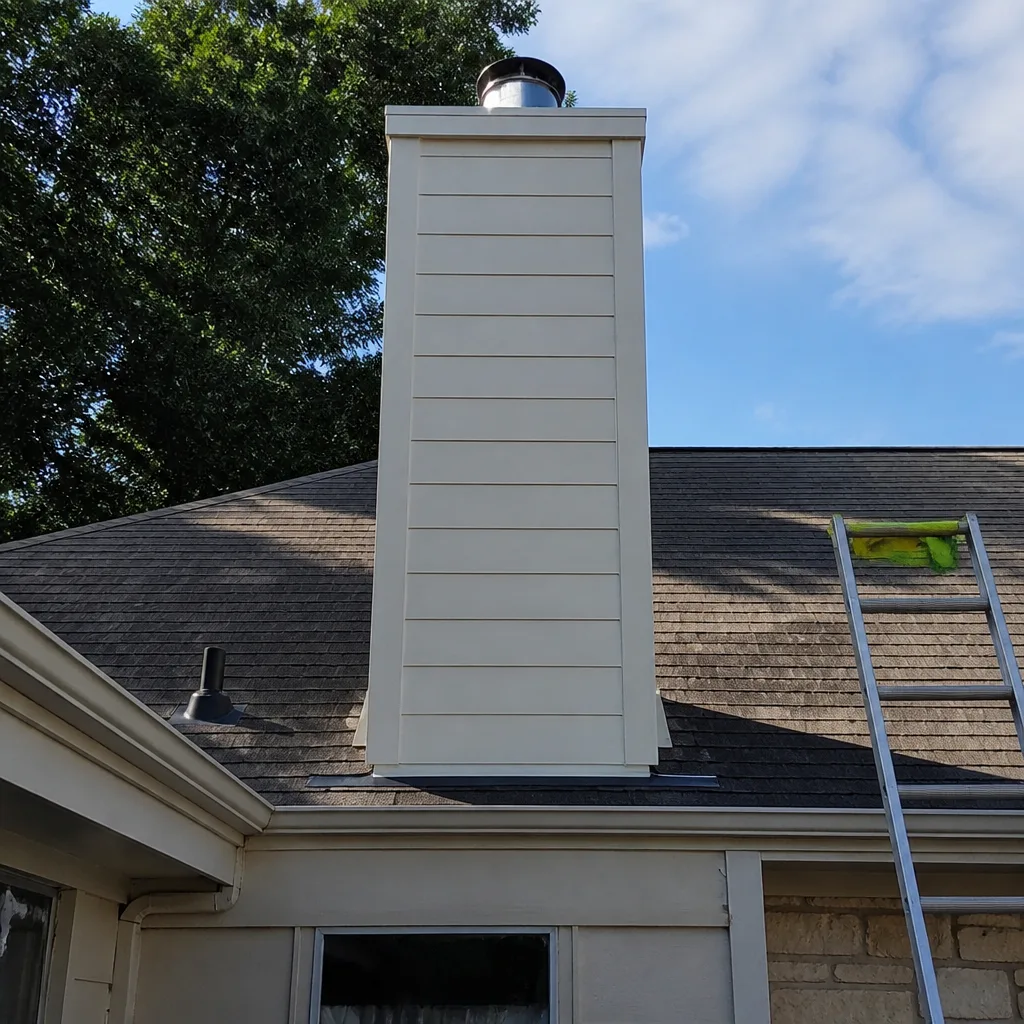
See the difference
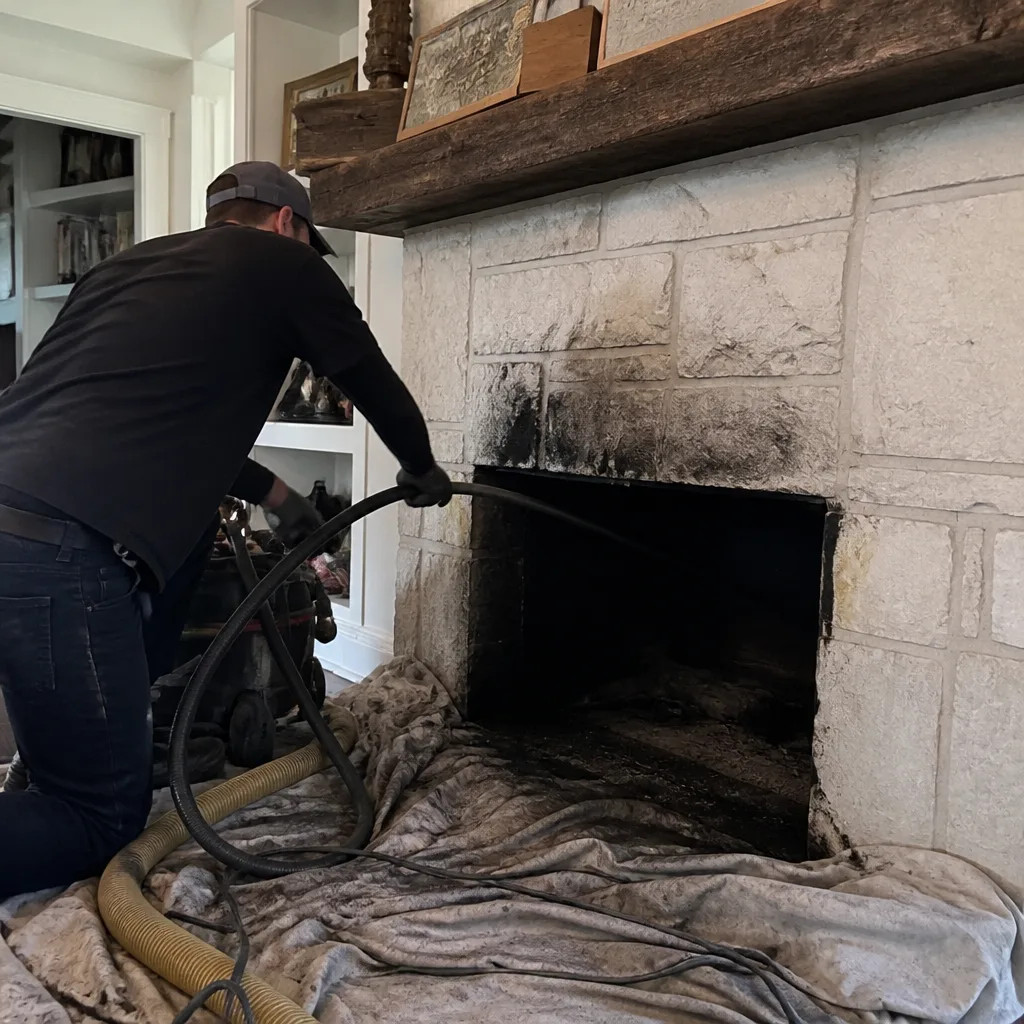 Before
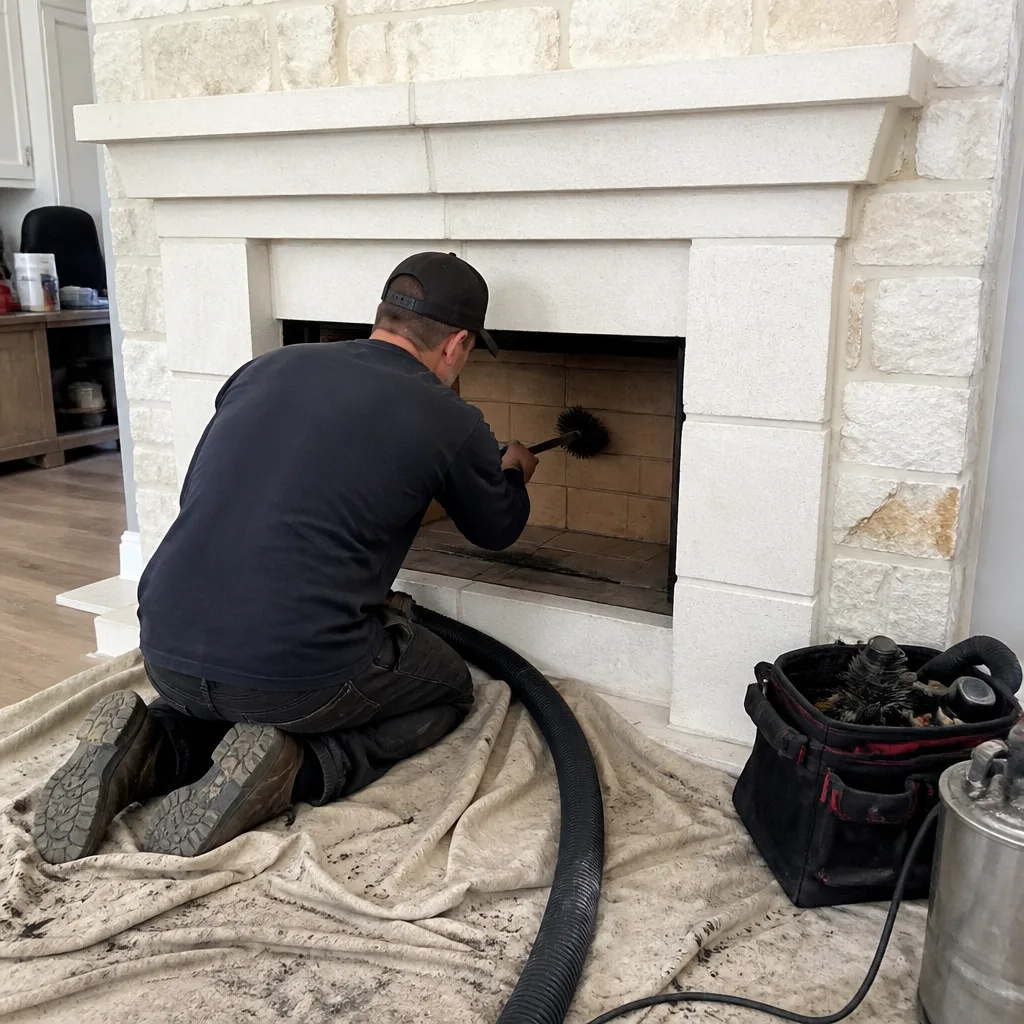 After
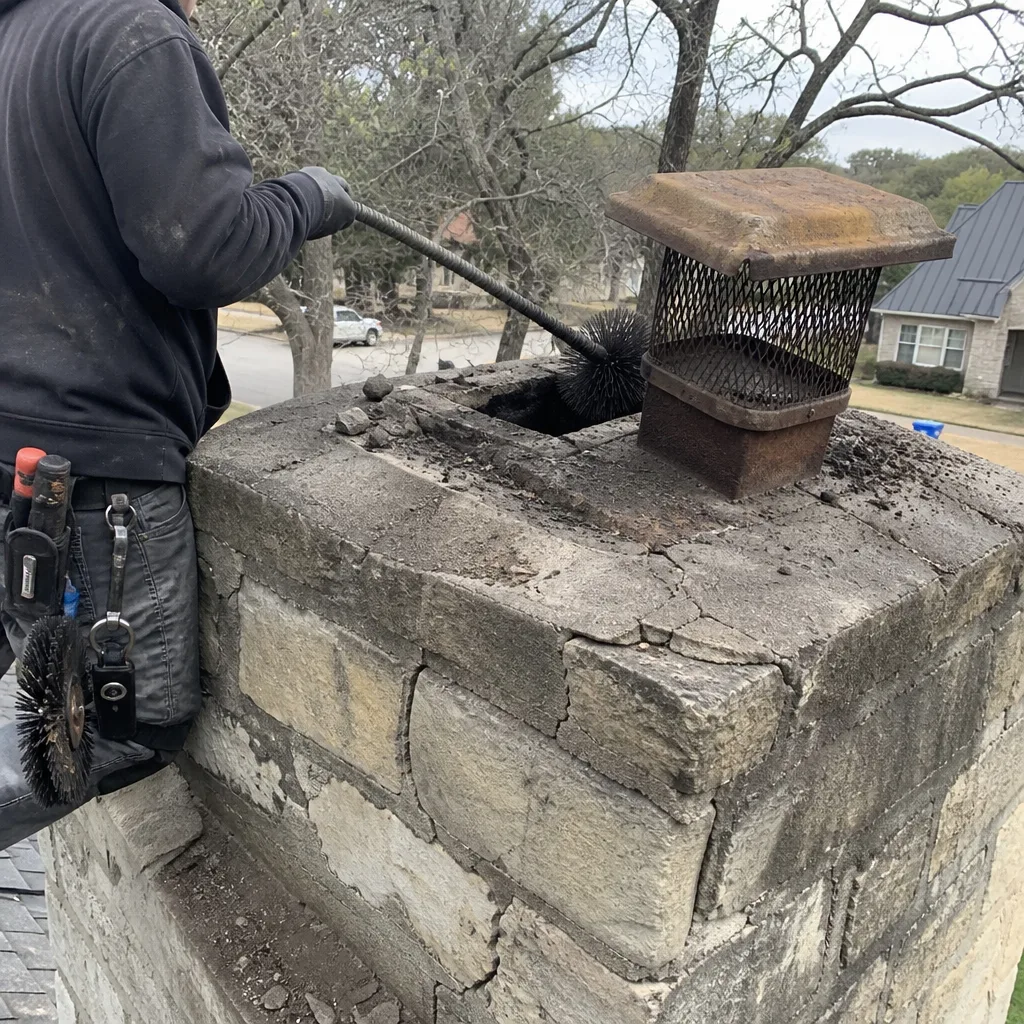 Before
 After
 Before
 After
When to Call a Professional
If you have not had your chimney inspected in the past 12 months, schedule one. If you have noticed a burning smell that is not the fire itself, cracked or spalling bricks on the chimney exterior, water in the firebox, or your damper will not open or close properly, call a professional before your next fire. The same urgency applies to your dryer: if a load takes more than one cycle to dry, if the laundry room gets abnormally hot, or if you cannot remember the last time the vent was cleaned, the system needs attention. These are not maintenance preferences. They are safety signals.
Resolute Chimney Sweep offers free estimates in Georgetown, call (877) 644-8036 and we will evaluate your chimney or dryer vent with camera inspection and give you a straight answer about what needs to happen and what can safely wait.
Frequently Asked Questions
A standard chimney sweep and inspection in Georgetown typically costs between $180 and $340 depending on chimney height, accessibility, and the level of inspection required. The price should include the full cleaning, a visual inspection, and access to any camera footage the technician captures. If the quote is dramatically lower, ask what is being excluded. Call (877) 644-8036 for an exact quote, estimates are free.
For most Georgetown masonry chimneys, a UL 1777-listed stainless steel flexible liner like DuraFlex is the specification-grade choice. The listing matters more than the brand name because it verifies the liner has passed fire and thermal cycling tests. A liner without a UL 1777 listing should not go into a wood-burning chimney.
The answer depends on the condition of the existing liner. Minor surface cracks in a clay tile liner can sometimes be addressed with a resurfacing product like HeatShield, which bonds to the existing surface and restores the flue profile. Significant deterioration, missing tile sections, or a liner that is the wrong size for the appliance requires a full reline. No reputable Georgetown technician should recommend any repair without showing you camera footage of the flue interior. If they cannot show you the problem, do not authorize the fix.
The National Fire Protection Association recommends an annual inspection, with sweeping performed whenever creosote accumulation reaches 1/8 inch. For Georgetown homeowners who burn wood more than two or three times per week during the season, an annual sweep before the first fire of fall is the practical schedule. For gas fireplaces, the inspection interval can be longer, but the log set and venting should still be checked annually.
Skipping a chimney sweep means creosote accumulates inside the flue. Creosote is flammable. When it reaches a sufficient thickness and the internal flue temperature crosses the ignition point, the result is a chimney fire, which burns hot enough to crack flue tiles, breach mortar joints, and spread to the surrounding structure. Chimney fires are not rare. They occur in Georgetown every winter, and they are almost always preceded by a chimney that had not been swept. Call (877) 644-8036 to schedule a sweep before you light the first fire.
Yes. The dryer’s internal lint trap catches only about 60 to 70 percent of the lint produced. The rest travels into the vent run, where it accumulates over time. Professional cleaning removes lint from the entire run using rotary brush equipment and camera verification, which is not something a homeowner with a shop vacuum can accomplish. A restricted dryer vent increases cycle time, wastes energy, and creates the conditions for a lint fire. It is not a convenience issue. It is an exhaust safety issue.
No. Professional chimney products are distributed through channels that require contractor credentials, and the products carry listings and warranties that are conditional on correct installation. Box-store chimney products are manufactured for retail price points and do not carry the same testing certifications for the applications they are often sold into. A stainless steel cap from a hardware store is not the same product as an Olympia Chimney cap, even if they look similar in a photo. The gauge, weld quality, and material specifications are different.
The Bottom Line
The products a chimney contractor installs tell you more about their professional standards than any online review. Georgetown homeowners who can name DuraFlex, HeatShield, Olympia Chimney, Gelco, Famco, and Copperfield understand what specification-grade work actually means, and they can hold their contractors to a standard that generic contractors cannot meet. The right materials, installed by a trained technician following the manufacturer’s listed instructions, last for decades. The wrong materials fail quietly and expensively. Before you hire anyone for chimney or dryer vent work in Georgetown, ask what products they use and why. If they cannot answer, keep looking.
Visit our Resolute Chimney Sweep home page to learn more about the full scope of our work, or call (877) 644-8036 for a free estimate on chimney sweeping, dryer vent cleaning, or chimney repair in Georgetown. The right material for the repair and the right technician for the job: that is the Resolute standard.
Written by the team at Resolute Chimney Sweep, serving Georgetown since 2014.