Last updated October 31, 2026
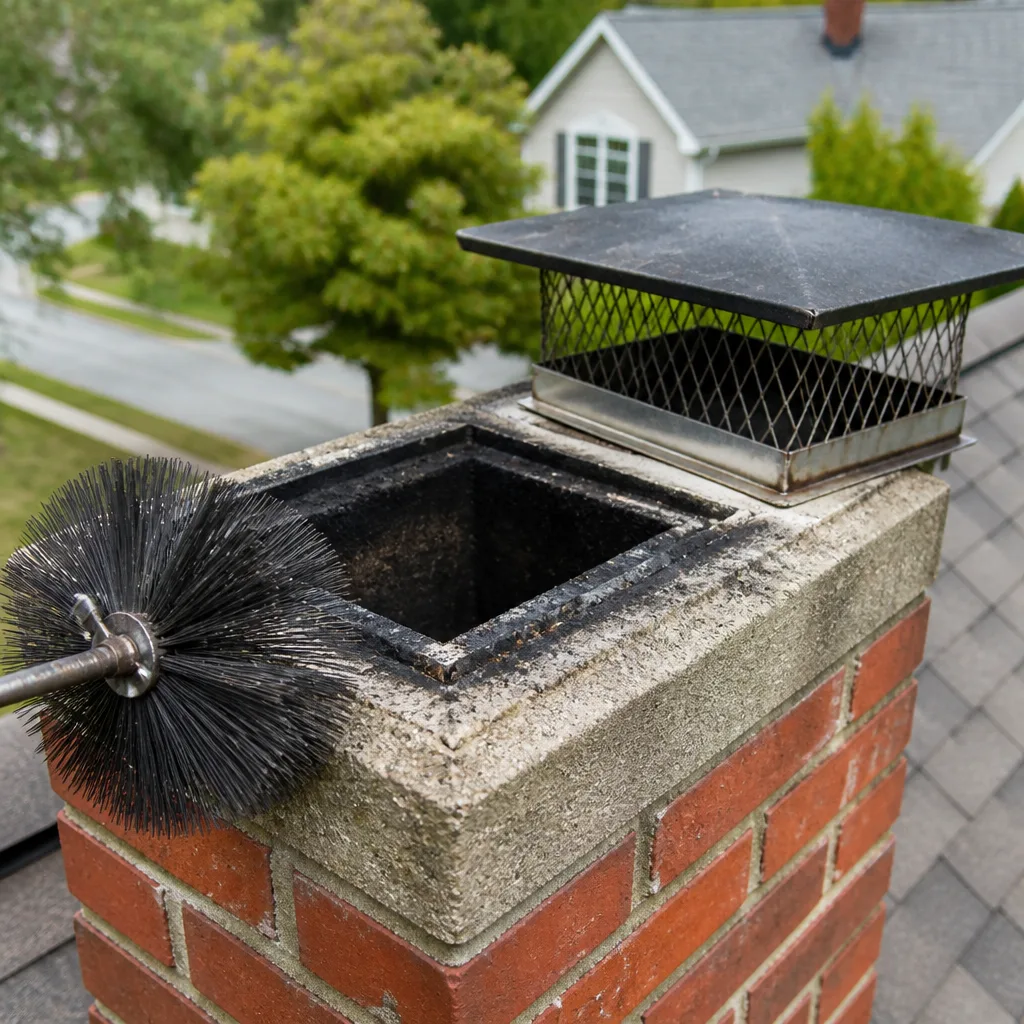 Sweep & inspection
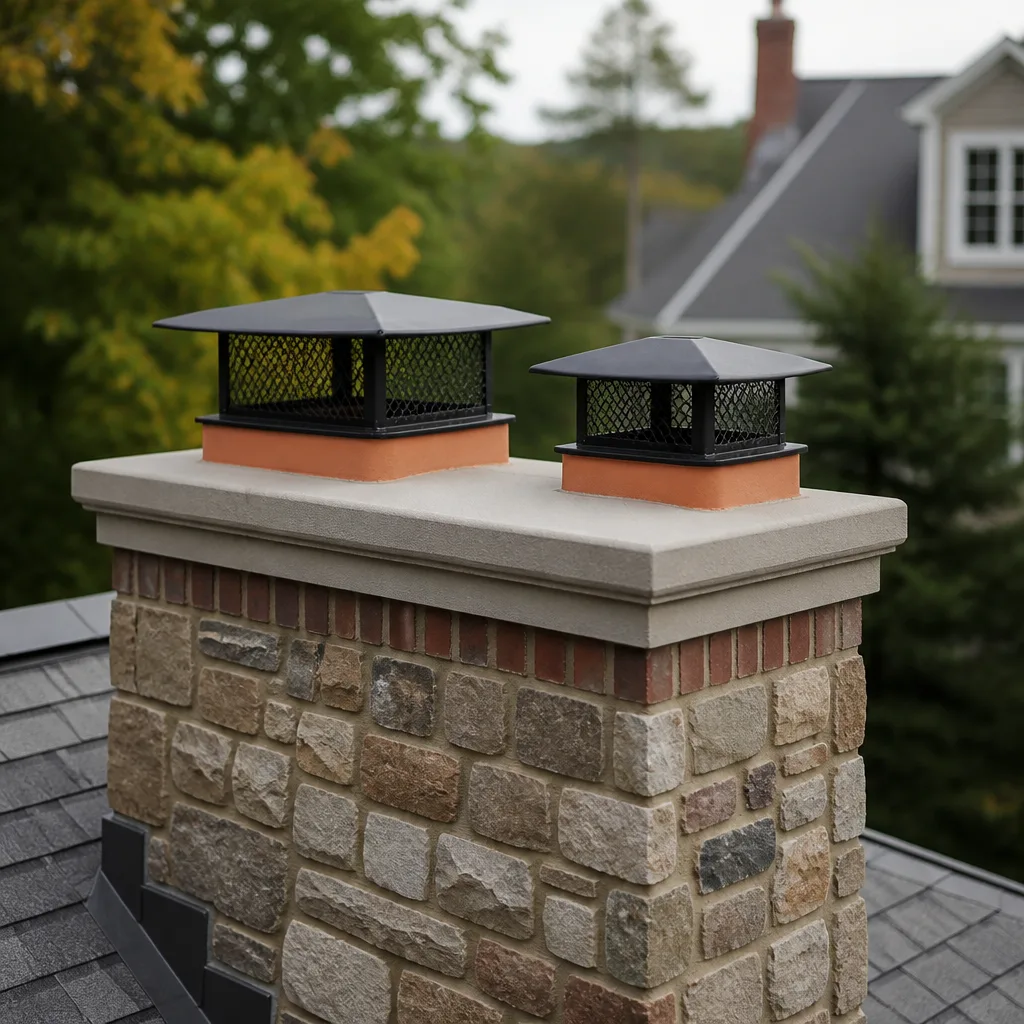 Caps & crowns
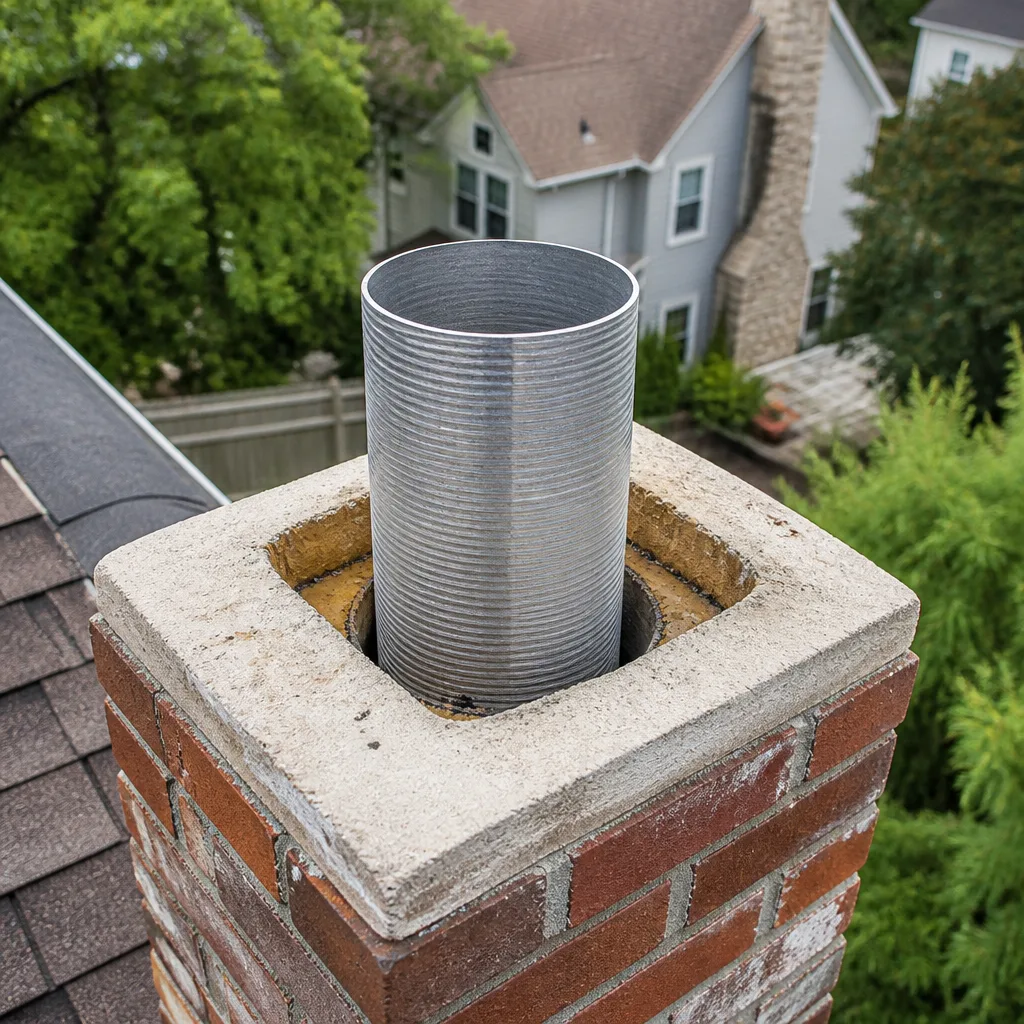 Flue relining
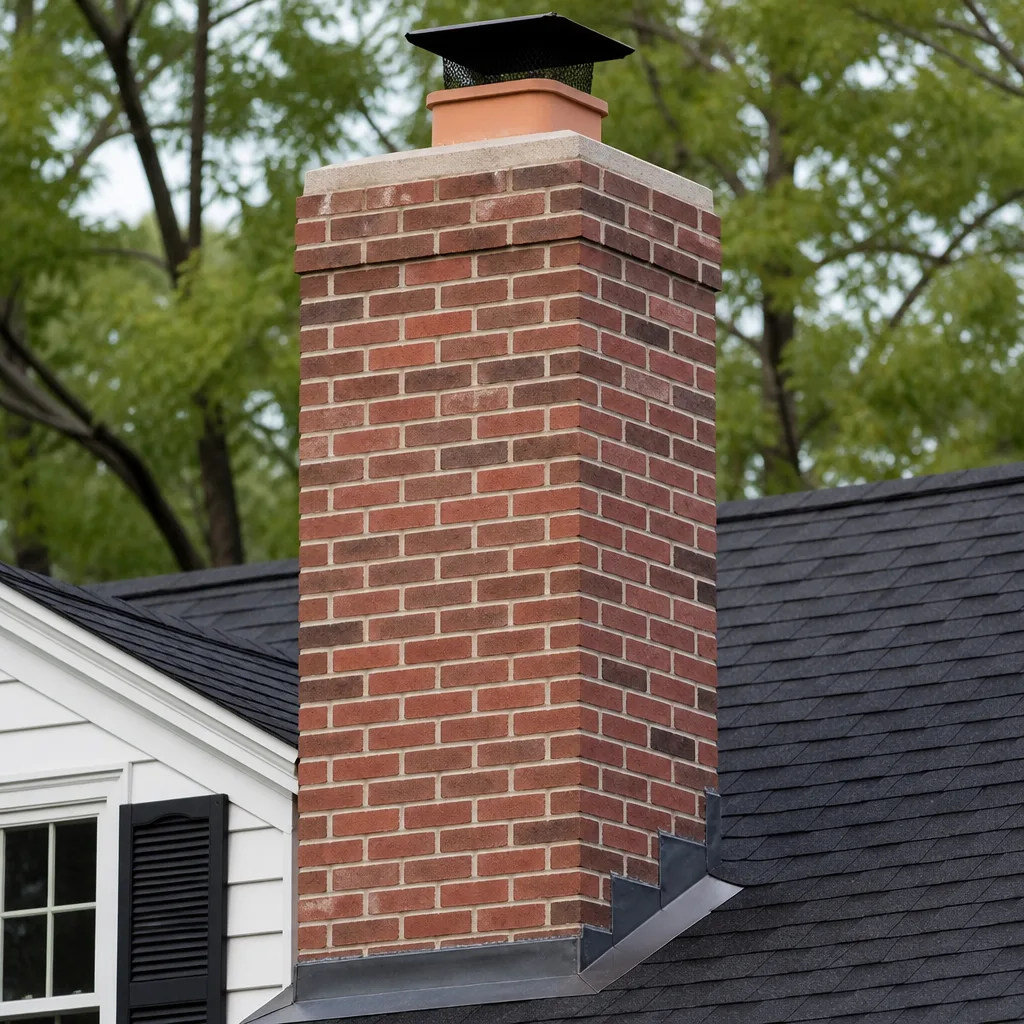 Masonry repair
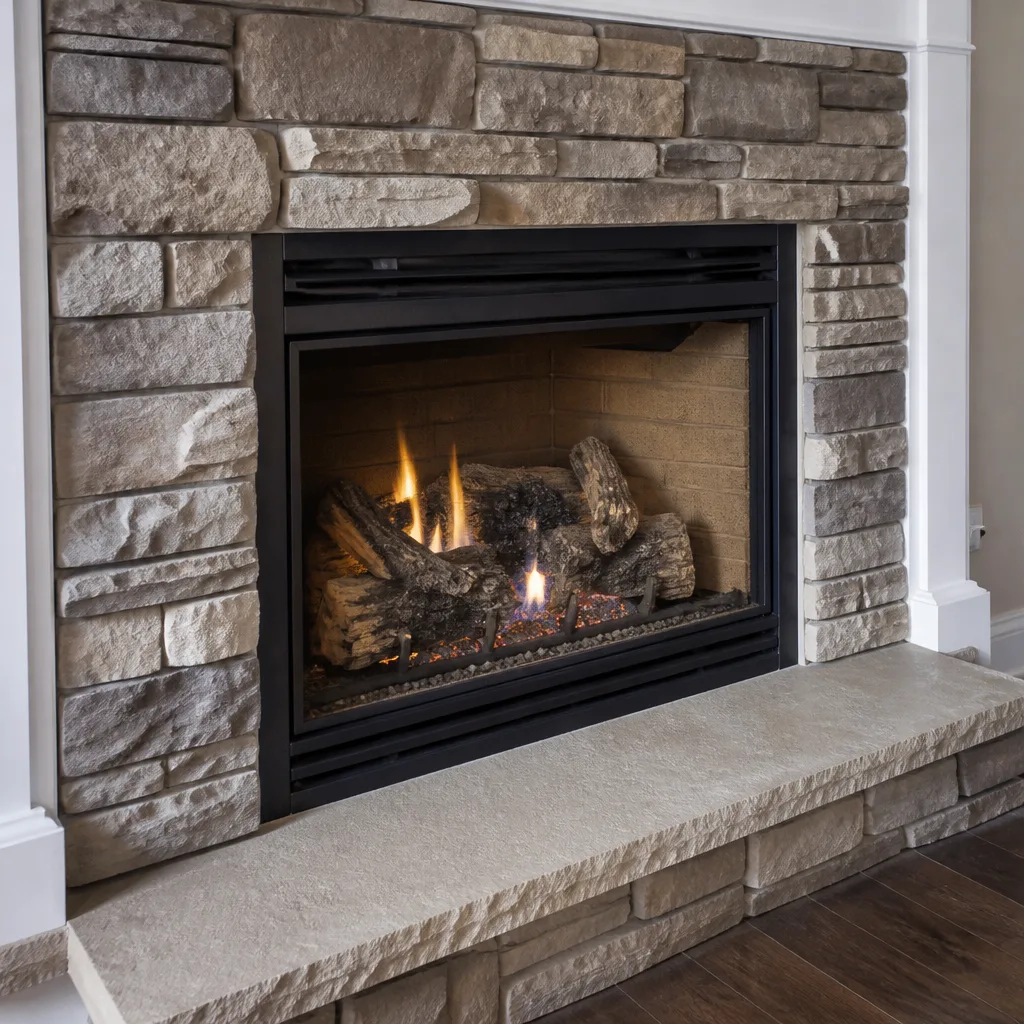 Gas fireplace service
Level 1 sweep and inspection to the NFPA 211 annual standard - flue, crown, cap, and flashing checked and photographed
Chimney sweep logs do not sweep chimneys. They loosen some creosote - which then falls where a brush and vacuum still have to collect it.
The Complete Chimney Sweep Guide for Georgetown Homeowners
Most chimney guides are written for the Northeast. Georgetown sits on expansive Blackland Prairie clay that moves up to two inches seasonally, and that movement cracks mortar joints and misaligns flue tiles in ways a sweep in Connecticut would never anticipate. This Complete Guide to Chimney Cleaning in Georgetown is written specifically for local homeowners. You’ll learn how local soil conditions stress your chimney, what a sweep actually finds in our area, which firewoods burn dirtier, and what to do when the cleaning uncovers structural damage. By the end, you’ll have a framework for maintaining your chimney that reflects the reality of Central Texas, not a generic national checklist.
Styles & brands we work with
Quick Answer
A chimney sweep in Georgetown typically costs between $180 and $320 for a standard cleaning and Level 1 inspection, and the biggest local variable isn’t soot volume, it’s what the sweep finds: our clay-heavy soil shifts foundations seasonally, which cracks mortar joints and dislodges flue tiles. We recommend an annual sweep for homes that burn wood regularly, a Level 2 inspection after heavy hail or any real estate transaction, and repairs only when camera evidence confirms damage.
Table of Contents
- Why Georgetown’s Soil Makes Chimney Sweeps Different
- Cedar, Oak, and Creosote: What Georgetown Actually Burns
- Inspection Levels 1, 2, and 3: Which One Applies After Hail Season
- What a Georgetown Sweep Actually Uncovers
- Professional Materials vs. Big-Box Patches
- A Seasonal Maintenance Calendar for Georgetown Fireplace Use
- Common Mistakes to Avoid
- When to Call a Professional
- Frequently Asked Questions
- The Bottom Line
Why Georgetown’s Soil Makes Chimney Sweeps Different
Georgetown sits on the Blackland Prairie, a band of expansive clay that runs through Central Texas. This soil absorbs water during wet springs, swells, then contracts during dry summers. The movement isn’t dramatic, but it’s constant, and it’s enough to shift a home’s foundation by up to two inches over a single year. Your chimney, being the tallest and heaviest masonry structure attached to the house, takes the brunt of that movement.
When a foundation shifts unevenly, the chimney tilts slightly. Mortar joints, which have almost no flexibility, crack under the stress. Those cracks widen over time, allowing moisture to penetrate from the outside and flue gases to escape from the inside. More importantly, clay flue tiles inside the chimney can shift out of alignment, creating gaps where heat and embers can reach combustible framing.
In our experience working across Georgetown neighborhoods from Sun City to Serenada, we see spring failures in two patterns. After a wet spring, homeowners notice vertical cracks in exterior brick and mortar crumbling at the roofline. After a dry summer, we see horizontal cracks near the roofline where the chimney has pulled away from the house. Both are symptoms of the same underlying condition: expansive soil doing what expansive soil does.
Chimney Sweep services in Georgetown aren’t just about removing soot. It’s an opportunity to check whether the previous season’s soil movement did anything that needs attention. Most national guides don’t mention this because their authors work in regions with stable glacial till or sandy loam. Here, the ground moves, and your chimney moves with it.
Cedar, Oak, and Creosote: What Georgetown Actually Burns
Creosote forms when wood smoke condenses on the cooler walls of a chimney flue. The rate of buildup depends on what you burn, and Georgetown burns differently than most of the country.
Central Texas hardwood is dominated by live oak, post oak, and cedar. Cedar, in particular, is everywhere in the Hill Country, and it behaves differently from the oak and maple that Northeast guides assume. Cedar is a softwood that burns hot and fast, producing a lot of smoke relative to its heat output. That smoke is dense with unburned particulate, which means cedar accelerates creosote accumulation faster than oak. A homeowner burning primarily cedar may need a sweep every year without exception, while someone burning seasoned post oak might stretch to eighteen months. But we don’t recommend stretching.
Live oak is the cleaner burn, but it has a catch. Oak must be seasoned properly, ideally eighteen to twenty-four months split and stacked under cover. Unseasoned oak, which is what many Georgetown homeowners end up with after a storm brings a branch down, smolders at low temperature and produces heavy creosote in the first few burns.
The difference between cedar and oak shows up in the flue. Cedar creosote tends to be flaky and brown, easier to remove but more voluminous. Unseasoned oak produces a glossy, hardened creosote we sometimes have to attack with rotary tools rather than brushes. If you’re new to Georgetown or new to wood burning here, assume your first sweep will find more buildup than you expect. The local fuel profile is simply dirtier than what national averages account for.
Inspection Levels 1, 2, and 3: Which One Applies After Hail Season
Chimney inspections follow three tiers defined by the National Fire Protection Association, and Georgetown’s weather patterns make two of them particularly relevant.
Level 1 is the standard inspection included with every sweep. It covers the readily accessible portions of the chimney, the basic condition of the flue, and confirms the appliance is connected properly. For a homeowner with a regular maintenance schedule and no changes to the system, Level 1 is usually sufficient.
Level 2 goes further. It includes everything in Level 1 plus a camera scan of the interior flue, an assessment of the attic and crawlspace areas where the chimney passes through, and a close look at the exterior. The NFPA recommends a Level 2 inspection after any event that could have damaged the chimney, after changes to the fuel type, or during any real estate transfer.
Hail season in Georgetown runs from March through May, and it’s aggressive. Large hail can crack a chimney crown, loosen flashing, or damage the cap. What it does not do is leave obvious damage at ground level. A homeowner can walk outside after a hailstorm, glance at the chimney, and see nothing wrong while the crown quietly takes on water that will freeze in a rare hard freeze and expand the crack.
Our recommendation: after any hail event with stones over one inch, get a Level 2 inspection. It’s the only way to see what happened to the crown and the upper flue. We also strongly recommend a Level 2 inspection before buying any home in Georgetown, especially in older neighborhoods like Old Town where chimneys may have fifty or more years of soil movement behind them.
Level 3 is reserved for cases where a Level 2 reveals a suspected problem that requires partial demolition to diagnose. It’s rare, and it’s almost never the first step. If someone recommends a Level 3 inspection without first doing a Level 2 camera scan, ask questions.
What a Georgetown Sweep Actually Uncovers
Every sweep starts the same way: brushes or rotary tools remove creosote and soot from the flue, followed by a visual inspection of what the cleaning exposed. What happens next depends on what we find, and in Georgetown we find certain things repeatedly.
Step 1: The cleaning. Creosote is removed from the smoke chamber, flue, and damper assembly. This is also when the sweep clears any obstructions, which in Georgetown is often a bird nest or a squirrel’s acorn stash, our live oak population keeps the squirrels well supplied.
Step 2: The inspection. Once the flue is clean, the sweep examines the interior. Flashlight first, then a camera if anything looks questionable. The goal is to identify cracks, gaps, or misalignment in the flue liner before they become a problem.
Step 3: The recommendation. If the sweep finds damage, you get a recommendation, and this is where the difference between a basic cleaning company and a full-service chimney company matters. A basic company will tell you to call someone else. Our chimney repair service handles the fix directly.
Common findings in Georgetown include spalled brick on the exterior from years of water absorption, cracked crowns from hail and freeze cycles, misaligned flue tiles from seasonal foundation movement, and mortar joints eroded by the same wet-dry cycle that defines our climate. None of these are emergencies in the moment, but all of them get worse without intervention.
Professional Materials vs. Big-Box Patches
When a sweep uncovers damage, the conversation turns to repair, and the materials matter as much as the technique. Georgetown homeowners deserve to know the difference between a specification-grade repair and a hardware-store patch, because the two are not the same thing.
Our repair work relies on products from professional chimney supply channels, not retail home-improvement aisles. DuraFlex flexible liner systems are used for relining work because they’re code-compliant and sized precisely to the existing flue. HeatShield is a resurfacing product we use for restoring deteriorated clay liners, a process that involves applying a cerfractory material to the flue walls inside the existing structure. It’s the difference between a repair that preserves your chimney and a replacement that costs substantially more. We also source components from Olympia Chimney, Famco, and Gelco, brands sold only through professional suppliers.
The big-box alternative is a pre-mixed masonry patch from a tube, and while it has its uses, it’s not a flue repair. A tube of patching compound will not reline a cracked flue. It will not resurface deteriorated clay tiles. It will not restore the structural integrity of a chimney that has weathered decades of Texas soil movement. What it will do is cover a cosmetic crack for a season or two while the real problem continues to develop behind it.
Found during the sweep, fixed by us. That’s the model. When our cleaning crew identifies a liner issue, we can quote a DuraFlex reline or HeatShield resurfacing on the spot, and the repair crew follows up. You don’t get a referral to a stranger. You get the same company handling discovery and correction.
A Seasonal Maintenance Calendar for Georgetown Fireplace Use
Georgetown’s climate doesn’t align with the national fireplace maintenance calendar. Our winters are short and mild, which means many homeowners use their fireplaces sporadically from November through February, then not at all through a long, hot spring and summer. That usage pattern creates its own maintenance rhythm.
September: Schedule your sweep. Before the first burn of the season is the right time, and September is when Georgetown temperatures finally dip enough to think about it. This also gives you a buffer if the sweep finds something that needs repair.
October through November: First fires. Burn only seasoned wood. If you haven’t had the chimney swept yet, resist the temptation to burn anyway. The creosote from last year is still in there.
December through February: Regular use. Pay attention to smoke behavior. Smoke drifting into the room, a sour smell, or poor drafting are early warning signs. Keep the damper open until the fire is completely out.
March through May: Hail season. After any significant storm, inspect from the ground. Look for displaced caps, cracked crowns visible from across the yard, or brick fragments on the roof or lawn. If you see any, book a Level 2 inspection.
June through August: The dormant period. This is the time to schedule repairs. Chimney work is uncomfortable in the heat, but masonry and liner repairs actually set better in warm, dry conditions. Contractors are also more available than during the September rush.
If you only take one action from this calendar, make it the September sweep. It’s the single highest-leverage maintenance item for Georgetown fireplace owners.
Common Mistakes to Avoid
- Burning unseasoned oak. Georgetown gets storms that knock down oak branches, and the temptation is to burn them the same winter. Unseasoned oak smolders and produces hardened creosote that’s difficult to remove. Split it, stack it, and wait eighteen months.
- Skipping the annual sweep because last year’s was clean. Foundation movement and cedar-derived creosote don’t follow a schedule. One wet spring followed by a dry summer can crack a flue tile in a single season.
- Assuming hail didn’t hurt anything because the roof looks fine. Chimney crowns and caps are more fragile than shingles. The roof inspection after a storm won’t catch chimney damage.
- Using a tube of masonry patch on a cracked crown. A flexible sealant designed for chimney crowns is the right product. Tube patch cracks and fails within a season, and water gets behind the repair.
- Closing the damper too soon. Hot embers can smolder for hours. Close the damper only when the fire is fully out, not when the flames die down.
- Hiring a gutter company that also sweeps chimneys. Chimney sweeping is a specialized trade. Georgetown has specific soil and weather conditions that require a specialist who understands local failure patterns.
When to Call a Professional
Call a professional if you see smoke entering the room during a fire, notice a persistent sour or smoky smell when the fireplace isn’t in use, spot cracks in the exterior brick or crumbling mortar at the roofline, see pieces of flue tile or brick fragments on the ground after a storm, or haven’t had a sweep in over a year and know you burned a full season of cedar. Chimney sweeping in Georgetown is preventive maintenance, not break-fix work. Resolute Chimney Sweep offers free estimates in Georgetown, call (877) 644-8036 to schedule a sweep or an inspection.
Frequently Asked Questions
A chimney sweep in Georgetown typically costs between $180 and $320 for a standard cleaning with a Level 1 inspection. The price rises if you add a Level 2 camera inspection, which runs $100 to $200 extra, or if the flue has heavy creosote that requires rotary cleaning. Homes burning cedar season after season often fall into that heavier category. Call (877) 644-8036 for an exact quote, estimates are free.
Annually if you burn wood, even occasionally. Between cedar’s creosote rate and the soil movement that stresses masonry, Georgetown chimneys benefit from an inspection every year regardless of how much you burn. If you use the fireplace only a handful of times each winter and burn seasoned oak exclusively, you might extend to eighteen months, but we don’t recommend it.
It depends on the size, location, and number of cracks, but most cracked clay liners in Georgetown warrant either resurfacing or relining. A hairline crack in a single tile is less urgent than a misaligned tile that creates a gap. We use HeatShield resurfacing for repairable liner deterioration and DuraFlex liners for full relines. The key point: you should see the camera footage yourself, and no repair should be recommended without visual evidence. Call (877) 644-8036 to schedule an inspection with camera documentation.
Creosote accumulates, and creosote is flammable. A thick enough layer can ignite, causing a chimney fire that reaches temperatures high enough to crack flue tiles and ignite nearby framing. Less dramatically, a skipped sweep means missed structural problems that compound over time. A four-hundred-dollar annual sweep is cheaper than a liner replacement or a house fire.
Yes. Dryer vents and chimneys share the same stakes: both exhaust combustible material, both accumulate flammable residue, and both are invisible until something goes wrong. We offer dryer vent cleaning in Georgetown because the lint that builds in a dryer exhaust is just as capable of starting a fire as chimney creosote, and most chimney-only companies ignore it entirely.
Minor repairs like crown sealing or cap replacement typically don’t require a permit in Georgetown. A full reline or structural rebuild may require a permit through the City of Georgetown, and a qualified contractor will know which side of the line your repair falls on. When we handle chimney repair in Georgetown, we evaluate permit requirements as part of the scope.
The Bottom Line
Georgetown homeowners sit on a unique stretch of Texas geography that moves, cracks, and shifts their chimneys in ways most national guides—and more guides & resources written elsewhere—never contemplate. Add in cedar-heavy firewood, aggressive spring hail, and sporadic cold-season use, and you have a maintenance profile that demands local expertise. One call covers the sweep, the vent, and the repair. Resolute means we see it through, from the first camera scan to the final cap replacement, using the same professional materials trusted by certified chimney professionals. If you’re a Georgetown homeowner who uses a fireplace, the only wrong maintenance schedule is the one that waits for a problem to announce itself.
For more about our full service scope, visit the Resolute Chimney Sweep home page or call (877) 644-8036.
Written by the team at Resolute Chimney Sweep, serving Georgetown since 2014.
See the difference
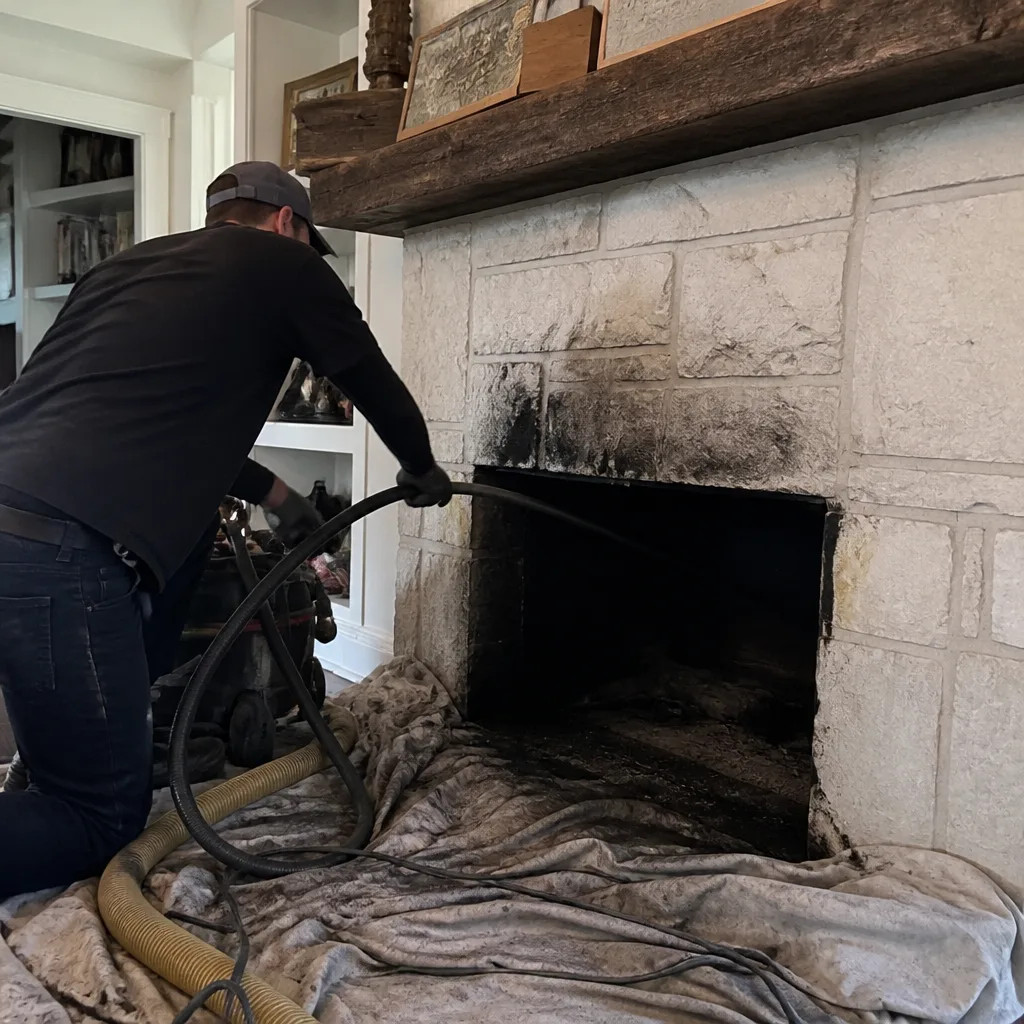 Before
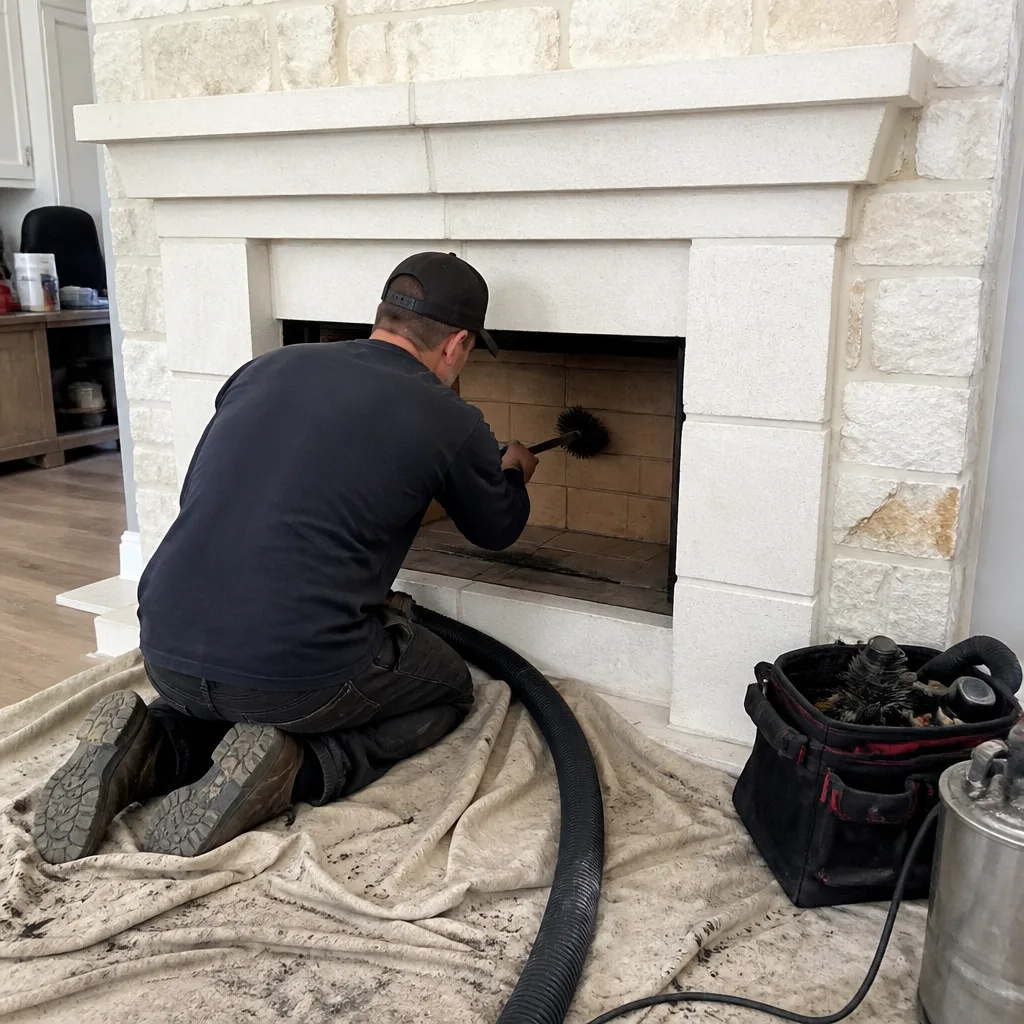 After
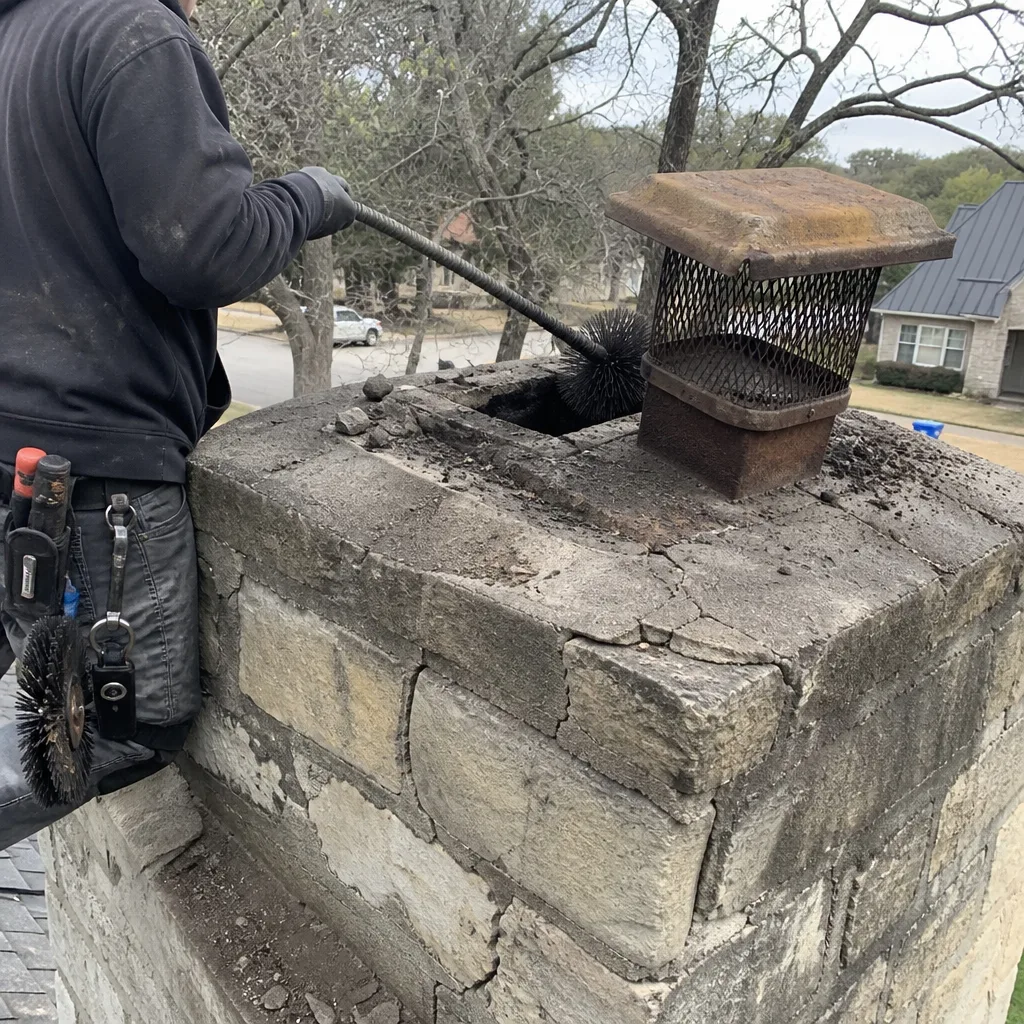 Before
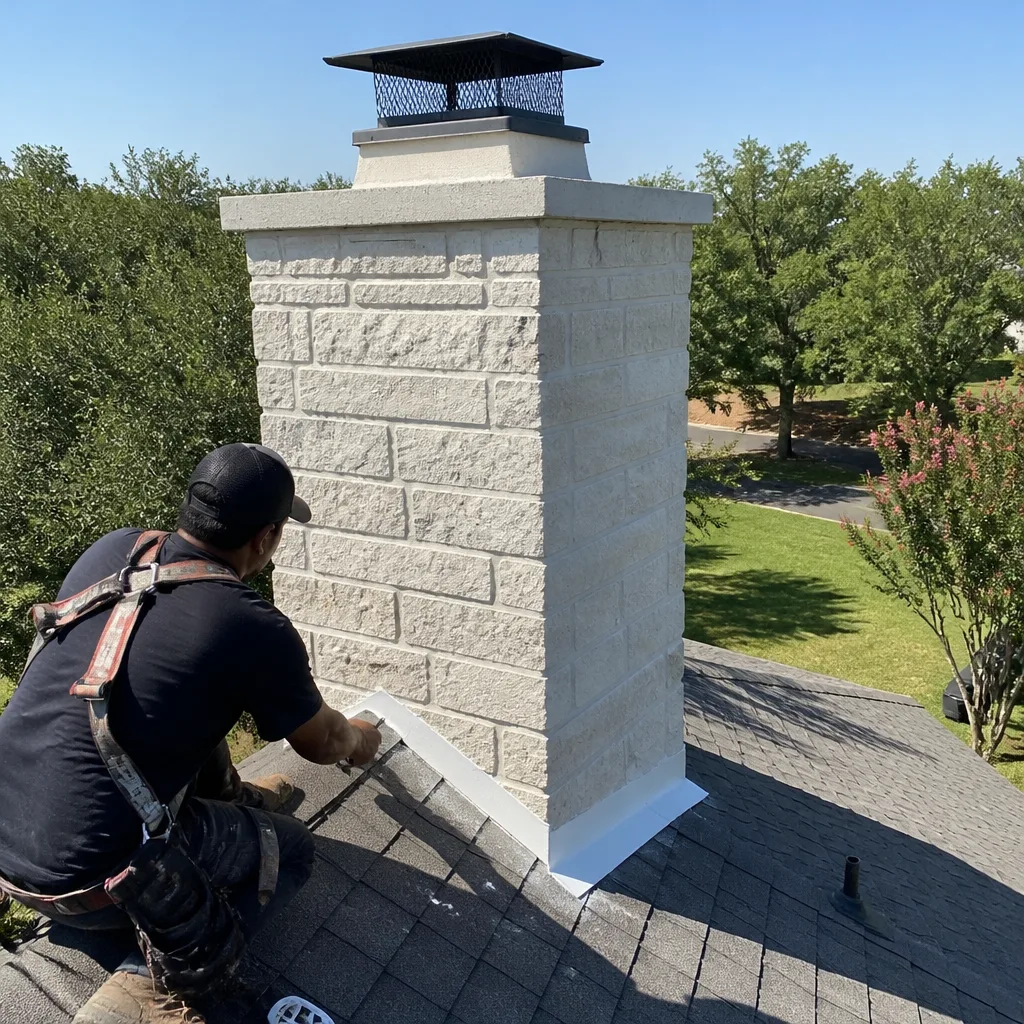 After
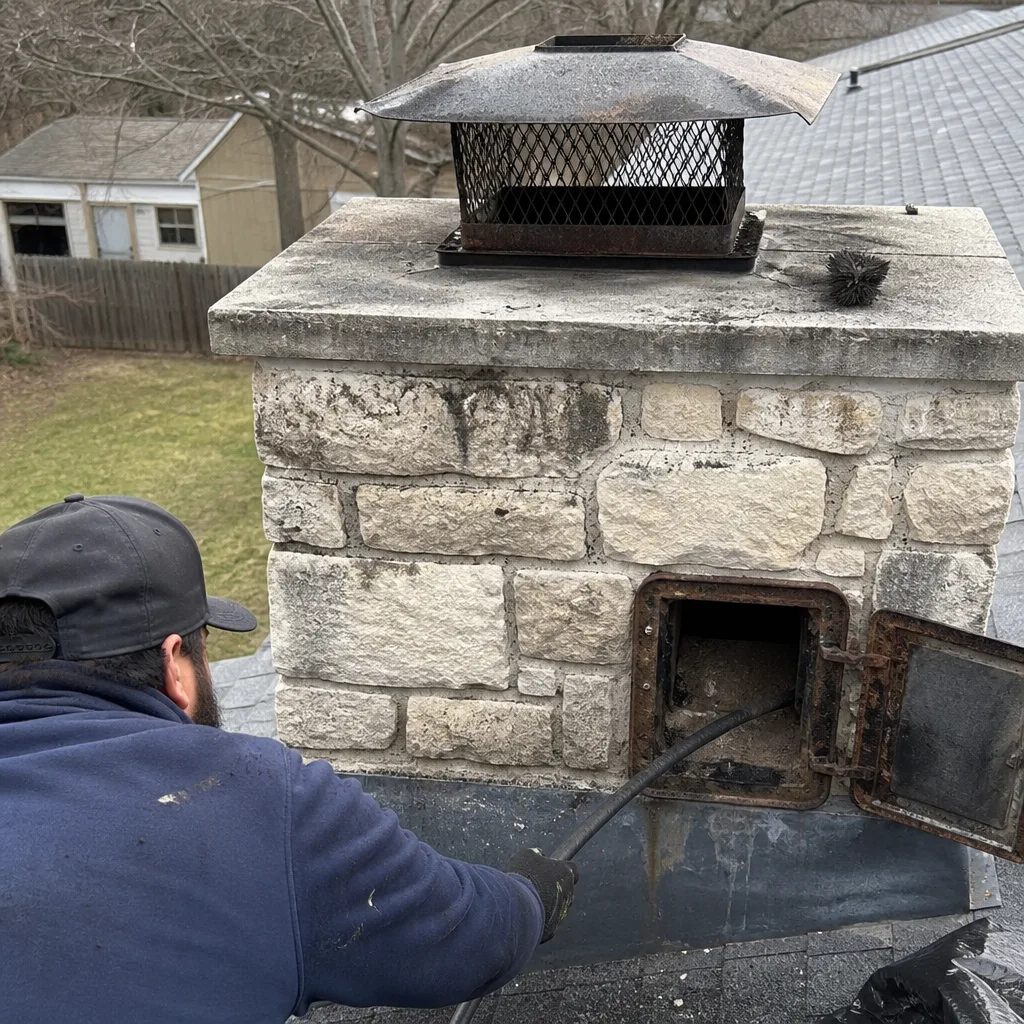 Before
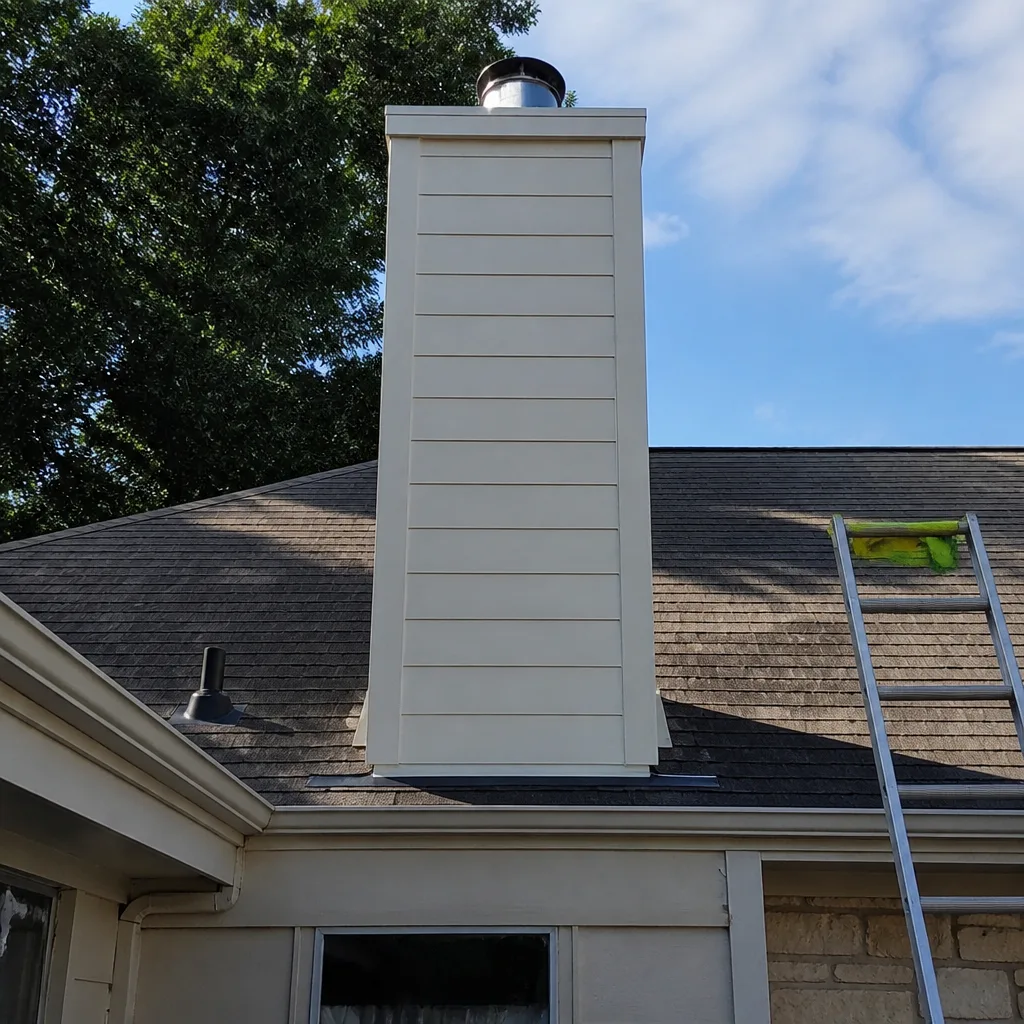 After