Last updated October 31, 2026
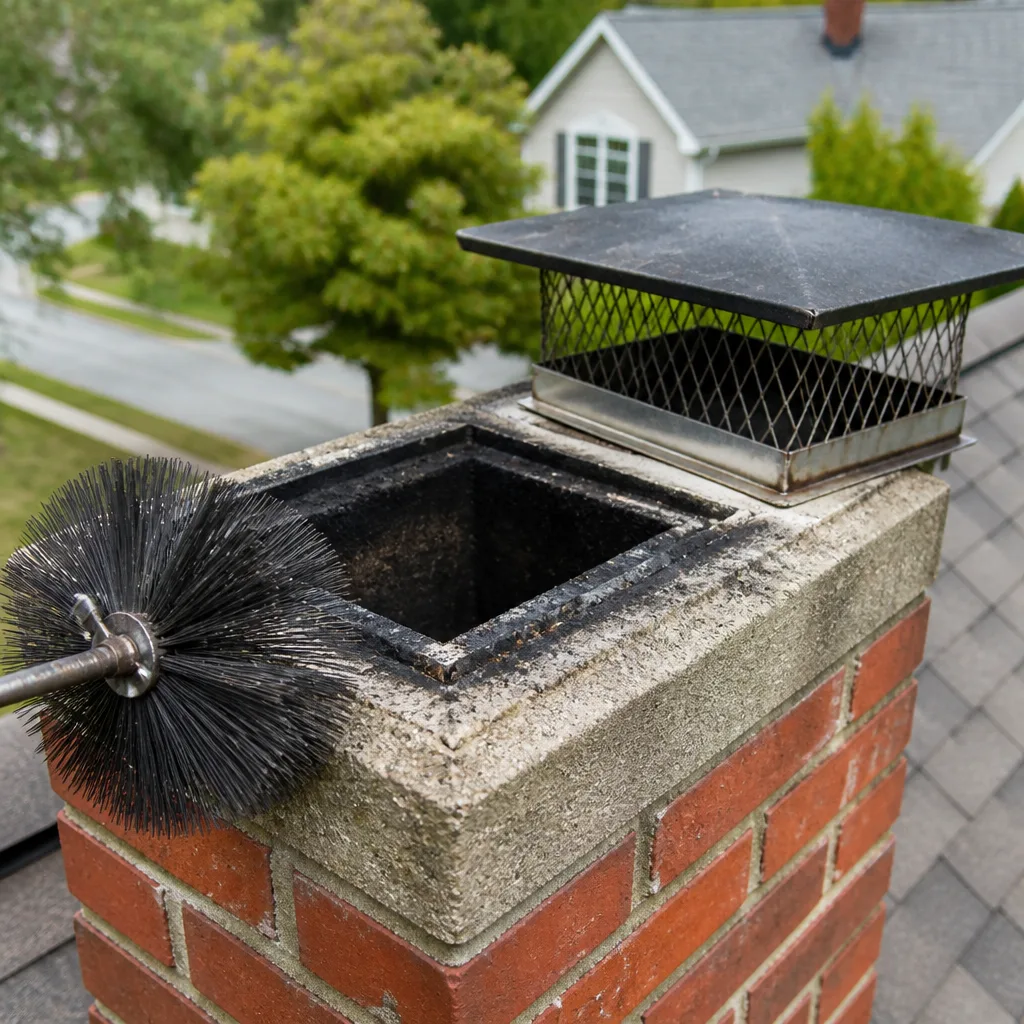 Sweep & inspection
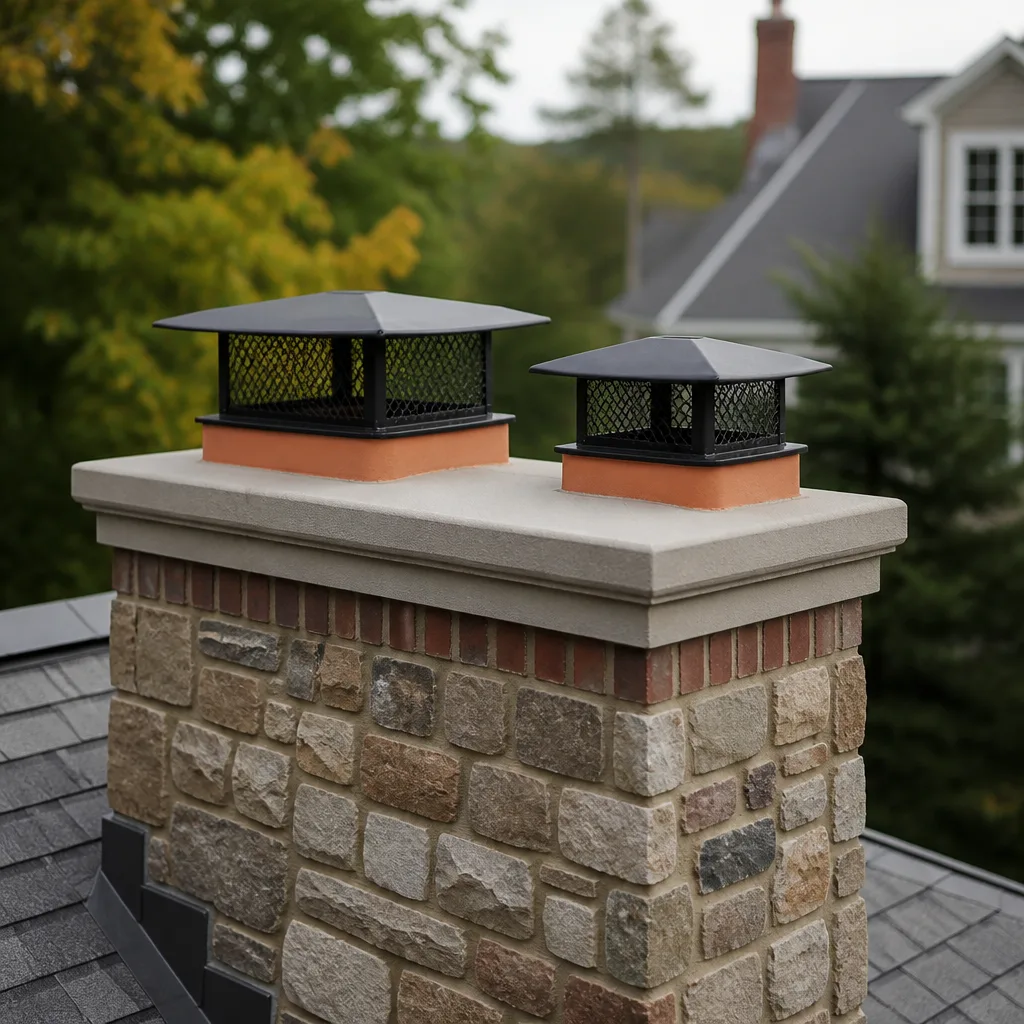 Caps & crowns
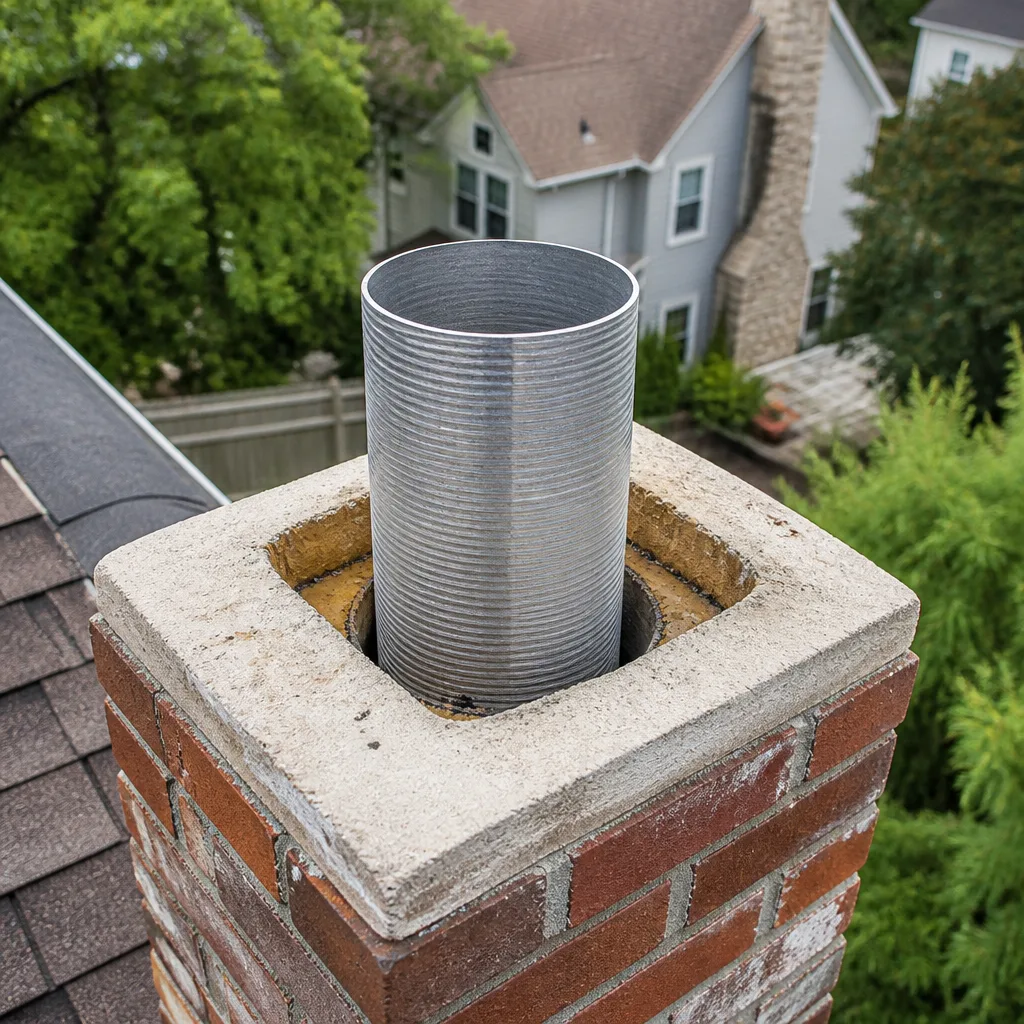 Flue relining
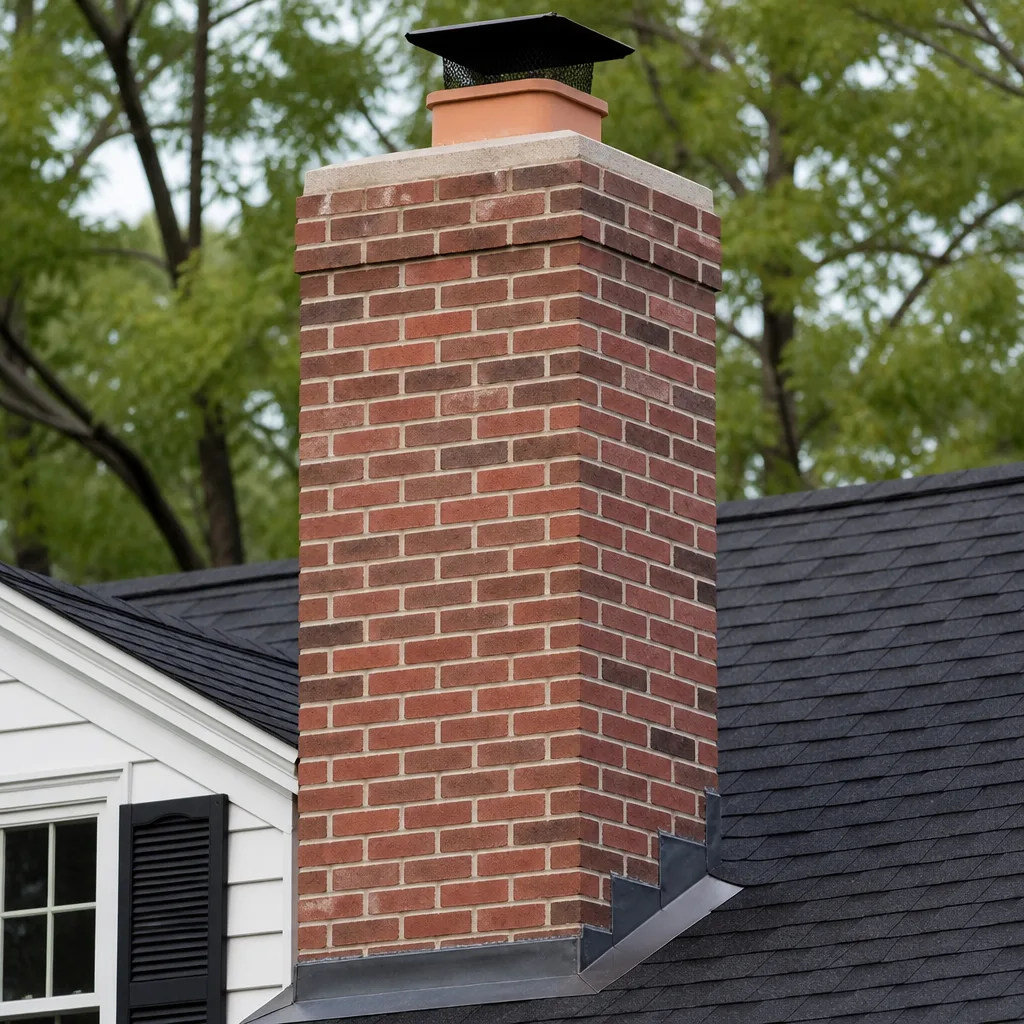 Masonry repair
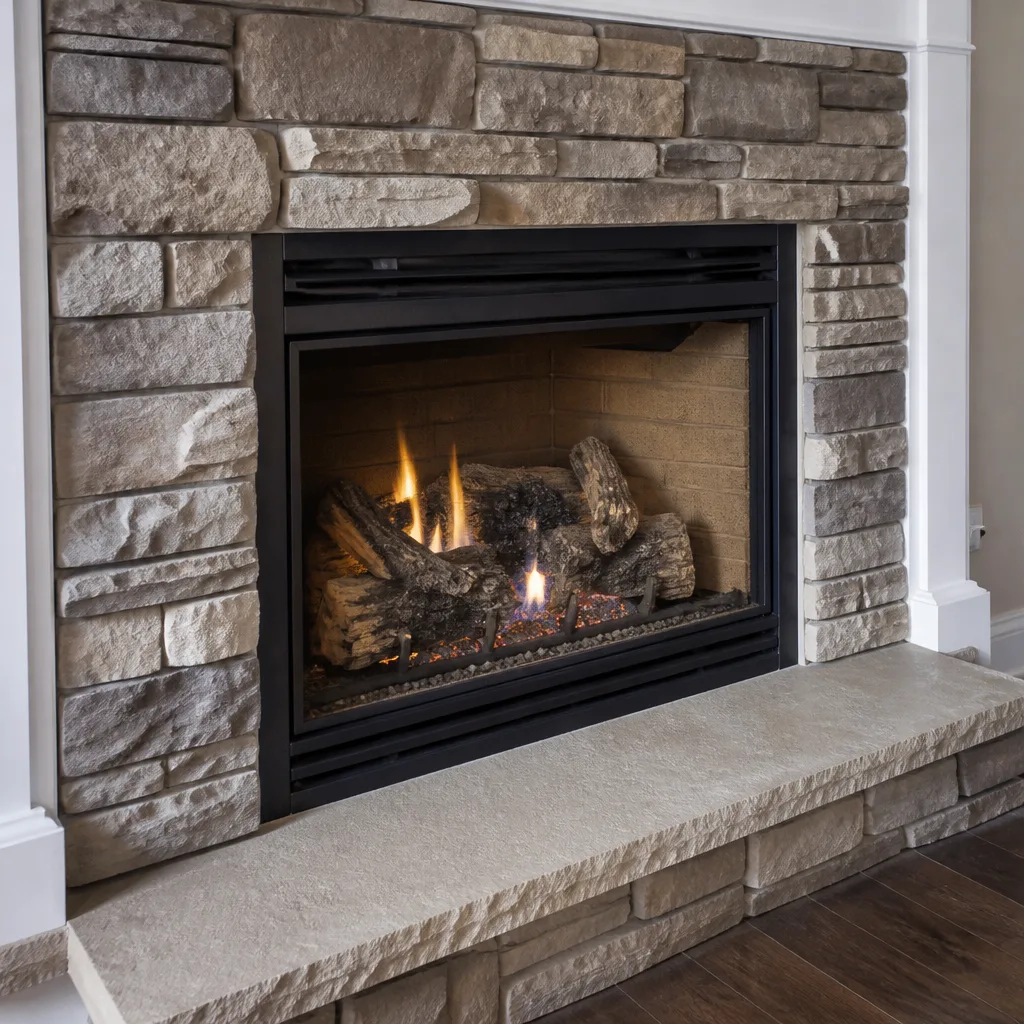 Gas fireplace service
Level 1 sweep and inspection to the NFPA 211 annual standard - flue, crown, cap, and flashing checked and photographed
Chimney sweep logs do not sweep chimneys. They loosen some creosote - which then falls where a brush and vacuum still have to collect it.
DIY vs Professional Chimney Cleaning: The Georgetown Homeowner’s Decision Guide
You can sweep your own chimney and still miss the cracked terra-cotta tile that’s been venting combustion gas into your attic for two seasons. That’s the uncomfortable truth behind the DIY chimney cleaning question, and it’s the reason this guide exists. In Georgetown, where oak and cedar burn hot and fast during our short winter season, the gap between what a homeowner sees and what actually matters inside a flue is wider than most people realize. What follows is a straight line between the tasks you can genuinely handle yourself and the work that requires professional equipment, training, and documentation, and you can find more guides & resources on our blog.
Quick Answer
DIY chimney cleaning in Georgetown TX is appropriate for light surface creosote and routine firebox debris removal, but it cannot replace a professional sweep with camera inspection. The actual risks to your home, cracked liners, hidden third-degree creosote, and smoke chamber deterioration, are invisible without specialized equipment. If you burn more than once a week during the season or haven’t had a camera inspection in the last three years, call Resolute Chimney Sweep for a professional cleaning and Level 1 or Level 2 inspection. For help choosing the right service, see our guide on How to Hire a Chimney Cleaning Contractor in Georgetown: A Step-by-Step Guide.
Styles & brands we work with
Table of Contents
- What You Can See vs What Actually Fails
- The Equipment Gap: Brush-and-Bag vs Rotary HEPA Systems
- What a Careful DIY Sweep Actually Looks Like
- Creosote in Georgetown: Why Our Burn Pattern Creates a Specific Problem
- The Documentation Argument: Insurance, Real Estate, and Written Reports
- What DIY Actually Costs (It’s Not Just the Brush Kit)
- Common Mistakes to Avoid
- When to Call a Professional
What You Can See vs What Actually Fails
A chimney looks simple from the outside. There’s a cap on top, a flue running through the middle, and a firebox where the wood goes. You can stand in your living room, shine a flashlight up the damper opening, and maybe see a few feet of masonry. That view tells you almost nothing about the condition of the system that matters most for safety.
In our experience working on chimneys throughout Georgetown, the failures that cause house fires and carbon monoxide intrusion are almost never visible from the firebox. They happen in the upper third of the flue, behind the smoke shelf, and inside the gaps between flue tiles that no flashlight from below can reach. The smoke chamber, that angled transition between firebox and flue, collects creosote in corners and on ledges that a brush on a flexible rod will skip right past. A homeowner with a flashlight and good intentions is working blind on the most important parts of the system.
Here’s what actually fails on Georgetown chimneys, ranked by how often we find the problem during Chimney Sweep in Georgetown visits:
- Cracked or separated flue tiles – Freeze-thaw cycles in Central Texas, our winter temperature swings between the 30s at night and 60s during the day, stress the mortar joints between terra-cotta tiles. A hairline crack in the wrong place vents combustion gas into wall cavities or attic space.
- Deteriorated mortar in the smoke chamber – This area gets hammered by heat and corrosive creosote byproducts. Parched mortar behind the firebox back wall is invisible to a homeowner and a serious fire risk.
- Third-degree creosote glazing – A hard, glassy coating that forms from incomplete combustion. It’s chemically different from the fluffy first-degree creosote you can brush away, and no hardware-store product touches it.
- Damaged crown and cap – Water gets in, accelerates every other problem. A cap that looks fine from the ground can have pinhole rust-through at the mesh.
You cannot assess any of these with a brush and a drop cloth. You need a camera, and you need to know what the camera image is telling you. That’s where the professional standard diverges from the DIY approach.
The Equipment Gap: Brush-and-Bag vs Rotary HEPA Systems
The standard DIY chimney cleaning kit, the one you’ll find at any big-box hardware store in Georgetown, comes with a set of polypropylene rods, a wire brush, and sometimes a plastic tarp. When you add in a shop vacuum you already own, that’s the full setup. Here’s what it does: it knocks loose the first layer of fluffy, first-degree creosote and pushes some of it down into the firebox where you can scoop it out. What it doesn’t do is contain the fine particulate that goes airborne during the process.
A professional chimney sweep from Resolute Chimney Sweep uses a rotary cleaning system with HEPA containment. The difference is not marginal:
- Rotary action – Spinning steel or poly chains driven by a drill motor at the end of the rod line scrub the flue walls mechanically, removing second-degree creosote that a passive draw brush simply rides over.
- HEPA filtration – A professional-grade HEPA vacuum runs continuously during the sweep, pulling negative pressure on the firebox and capturing particles down to 0.3 microns. Your living room air stays clean. A brush-and-bag setup sends fine creosote dust into the room air you breathe.
- Coverage at the top and bottom – The rotary system reaches the smoke chamber and the flue cap area in a way hand-driven rods do not. The creosote that accumulates on the smoke shelf and in the upper flue bends gets pulled loose and captured.
Indoor air quality is the part most DIY guides skip. Creosote dust is not just dirty, it’s an irritant and a sensitizer. If you have kids, pets, or anyone with respiratory sensitivity in the house, the containment difference alone justifies professional equipment. Georgetown homes with open floor plans and central HVAC systems spread whatever gets into the air throughout the house in minutes.
What a Careful DIY Sweep Actually Looks Like
We’re not here to tell you that every part of chimney maintenance requires a professional. That would be dishonest, and honesty about what homeowners can genuinely do is part of earning trust. Here is the honest scope of DIY-appropriate chimney work for a careful Georgetown homeowner:
- Firebox debris removal – After the last fire of the season, scoop out the ash and charcoal remnants. Use a metal ash bucket with a tight lid, and store it outside on a non-combustible surface, not in the garage next to paint cans. Georgetown’s dry summers turn a bucket of warm ash into a fire starter if you’re careless.
- Visual damper check – Look up with a flashlight. The damper should open fully, close fully, and seat with a reasonably tight fit. If the handle is stiff or the plate doesn’t move, note it for a professional. Don’t force it; a broken damper cable or warped plate is a repair call, not a DIY fix.
- Exterior cap inspection – From the ground or a properly braced extension ladder, look at your chimney cap. Missing mesh sections mean birds and squirrels can get in. Rust-through at the spark arrestor band means the cap needs replacement. If your ladder setup requires you to climb onto the roof at a steep pitch, skip this one and let a pro do it.
- Firebox back-wall visual check – Some hairline cracking in firebox brick is normal and cosmetic. Gaps wider than a quarter-inch, bricks that shift when you press on them, or missing mortar joints are structural. Those are Chimney Repair in Georgetown territory.
That’s the full list. Notice what’s not on it: sweeping the flue itself, cleaning the smoke chamber, applying any chemical creosote treatment, or doing any repair work on the liner, crown, or masonry. Those require the equipment and experience discussed above.
Creosote in Georgetown: Why Our Burn Pattern Creates a Specific Problem
Georgetown sits in a climate zone that creates an unusual creosote pattern. Our winters are short and intermittent, with cold snaps broken by warmer stretches. Homeowners build fires during the cold snaps, burn a lot of wood in a hurry, and then let the chimney sit cold for weeks. That pattern, hot fires followed by long idle periods with humidity swings, drives an incomplete combustion condition that produces third-degree creosote faster than steady, continuous burning does. For a complete maintenance calendar, see our Seasonal Chimney Cleaning Care for Georgetown: Year-Round Homeowner’s Guide.
Third-degree creosote is the failure mode that matters here. It’s not the fluffy ash you can brush away. It’s a thick, hard, glassy glaze that forms when creosote goes through repeated heating and cooling cycles. In Georgetown’s specific climate pattern, we see it form in as little as one to two seasons of intermittent burning. Here’s what makes it dangerous:
- It’s highly concentrated fuel – Third-degree creosote burns at a much higher temperature than first-degree. A chimney fire driven by third-degree creosote produces temperatures that crack masonry and warp metal.
- It’s chemically bonded to the flue wall – You cannot brush it off. Wire brushes scrape the surface but leave the glaze intact. Professional chimney sweeps use chemical treatments specifically formulated to break down third-degree glazing, and those products are not available at retail outlets.
- It accelerates liner damage – The acidic byproducts of third-degree creosote eat at terra-cotta and mortar joints. What starts as a cleaning problem becomes a structural problem.
If you’ve been burning oak or cedar in a Georgetown fireplace for two or more seasons and you haven’t had a professional camera inspection, the odds are high that third-degree creosote is present. The fix is a professional chemical treatment combined with a rotary sweep, and in some cases, a follow-up inspection to verify the flue is back to safe condition.
The Documentation Argument: Insurance, Real Estate, and Written Reports
Here’s a practical consideration that rarely appears in DIY vs professional chimney cleaning discussions: paperwork. When you sweep your own chimney, you get no documentation. When you hire a professional, you get a written report. That report matters in three specific situations:
Insurance claims. If you file a chimney-related fire or water damage claim, your insurance company will ask when the chimney was last inspected and cleaned. A Level 1 or Level 2 inspection report from a professional chimney sweep in Georgetown TX is your proof of due diligence. A receipt for a brush kit from a hardware store is not.
Real estate transactions. Georgetown home sales move quickly, and home inspectors do not do detailed chimney inspections as part of a standard pre-purchase inspection. They note what’s visible and recommend a specialist. A recent professional cleaning and inspection report answers the question before a buyer asks it, and it can prevent a deal from stalling during the option period.
Warranty and repair history. If a liner failure or masonry issue develops, having a baseline inspection report from a previous season allows a chimney professional to determine whether the problem is new or pre-existing. That distinction matters for repair decisions and for any warranty claims on prior work.
A professional sweep from Resolute Chimney Sweep includes a written inspection report as part of the service. The report notes creosote levels, liner condition, smoke chamber status, and any issues found during the cleaning. You keep it, and it becomes your record of responsible chimney ownership.
What DIY Actually Costs (It’s Not Just the Brush Kit)
The DIY pitch is always about money: a brush kit costs $50 to $80, a professional chimney sweep in Georgetown costs a few hundred, so do it yourself and save. That math ignores the equipment you already need and the things a professional includes that a brush kit cannot replicate.
Here’s the real cost comparison for a Georgetown homeowner doing a true DIY chimney sweep for the first time:
| DIY Equipment | Typical Cost |
|---|---|
| Chimney brush and rod kit (basic) | $50 – $80 |
| Drop cloths, plastic sheeting, painter’s tape | $25 – $40 |
| Shop vacuum (if you don’t own one with a fine-dust filter) | $60 – $150 |
| HEPA filter upgrade for shop vac | $30 – $50 |
| Safety gear (dust mask rated for creosote, goggles, gloves) | $30 – $60 |
| Roof ladder or extension ladder (if you need to access the cap) | $150 – $300 |
| Total first-time DIY cost | $345 – $680 |
A professional chimney sweep from Resolute Chimney Sweep, including rotary cleaning, HEPA containment, camera inspection, and written report, falls in the same range for most standard Georgetown single-story homes. For a two-story home with a steep roof, a professional visit is often less expensive than a homeowner’s hospital bill from a ladder fall. The equipment gap covers not just thoroughness and air quality, but the fact that a professional visit includes an inspection you cannot do yourself at any price.
The math changes in your favor on DIY only if you already own all of the above and have a single-story home with easy roof access. In that case, the marginal cost of a DIY surface sweep is the brush kit and a few hours of your weekend. What you’re not buying is the camera inspection, the chemical treatment for third-degree creosote, or the written documentation. Those are the parts that actually protect your home.
Resolute Chimney Sweep home offers free estimates for Georgetown chimney cleaning and inspection services. Call (877) 644-8036 to get an exact quote for your home.
Common Mistakes to Avoid
- Assuming a clean firebox means a clean flue. Creosote accumulates in the upper third of the flue and the smoke chamber first. The firebox looks clean after every fire, but the hidden deposits are the fire risk.
- Using a plastic tarp instead of a proper negative-pressure setup. Plastic sheeting catches falling debris but does nothing for the fine dust that goes airborne. Georgetown homes with central air return vents in the same room as the fireplace will circulate that dust through the house unless a HEPA vacuum is running.
- Brushing a flue you’ve never camera-inspected. If there’s a cracked liner, brushing can worsen it. You’re applying mechanical force to a system you’ve never assessed. At minimum, hire a professional for the first inspection before attempting any DIY work.
- Using chemical creosote removers from the hardware store and expecting them to replace sweeping. Consumer-grade creosote products are designed to soften first-degree creosote, not remove third-degree glazing. They are a supplement to brushing, not a substitute for it.
- Cleaning from the roof without proper fall protection. Georgetown’s older neighborhoods, including the historic homes near Southwestern University, often have steep roof pitches. A chimney sweep is trained and equipped for roof work. A homeowner who loses footing on a 12/12 pitch surfaces at an emergency room, not a dinner table.
- Ignoring the dryer vent because the chimney is the focus. Your dryer vent carries lint, which burns differently but just as dangerously as creosote. If you’re investing in combustion safety for your fireplace, the Dryer Vent Cleaning in Georgetown service should be on the same schedule. Both systems share the same stakes: a fire inside your walls.
- Assuming gas fireplaces don’t need service. Gas logs produce less creosote than wood, but they still produce corrosive byproducts, and the venting system still needs inspection. Georgetown homes with vented gas logs often go five years or more without service because owners assume gas equals maintenance-free. That assumption is expensive when a vented gas system develops a blockage.
When to Call a Professional
Call a professional chimney sweep in Georgetown TX if any of the following apply: you haven’t had a camera inspection in the last three years while burning seasonally; you see dark, glassy patches on the firebox back wall; you smell a smoky or charcoal odor in the house when the fireplace hasn’t been used for days; your damper doesn’t open or close properly; you see flaking mortar or brick pieces in the firebox; you hear animals in the chimney; or you’re buying or selling a home and need documentation. Resolute Chimney Sweep offers free estimates in Georgetown – call (877) 644-8036 and we’ll schedule a visit, perform the cleaning and inspection, and walk you through everything we find, with camera images you can see for yourself.
See the difference
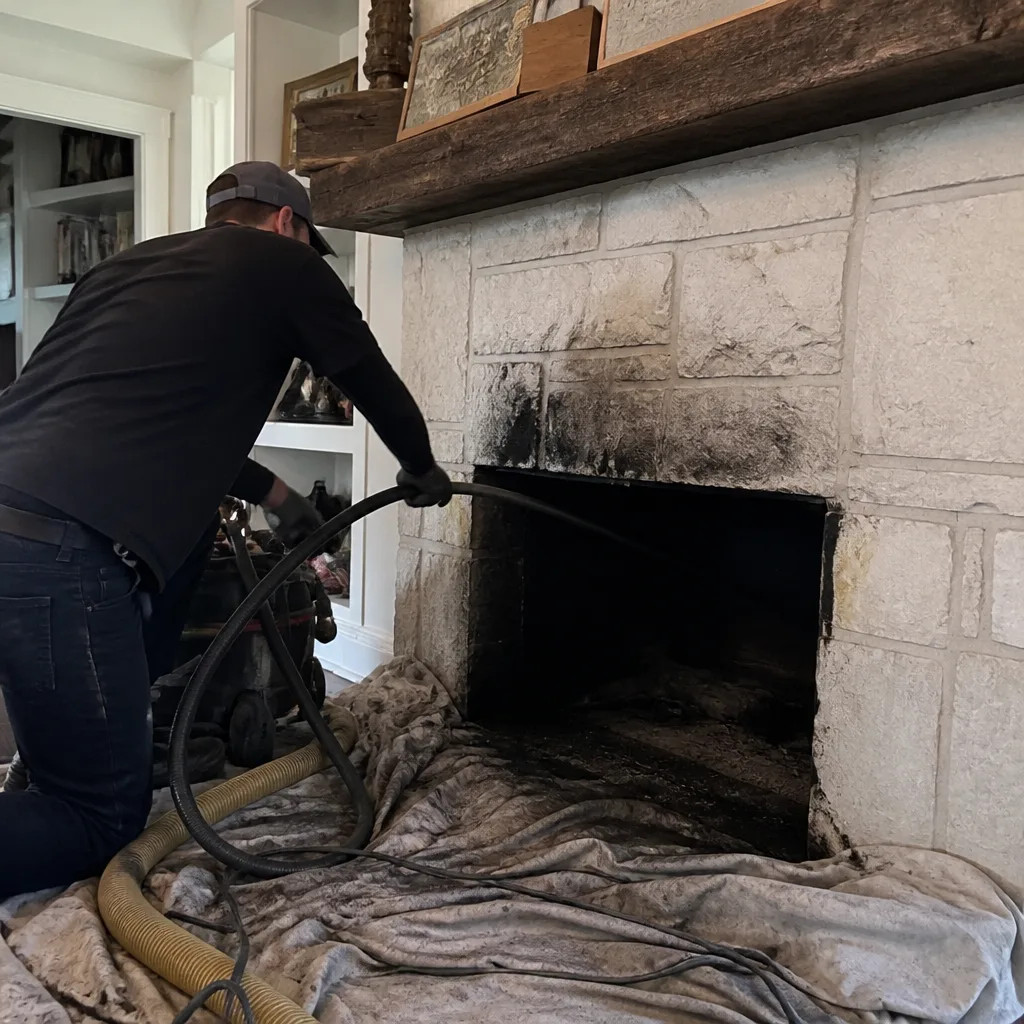 Before
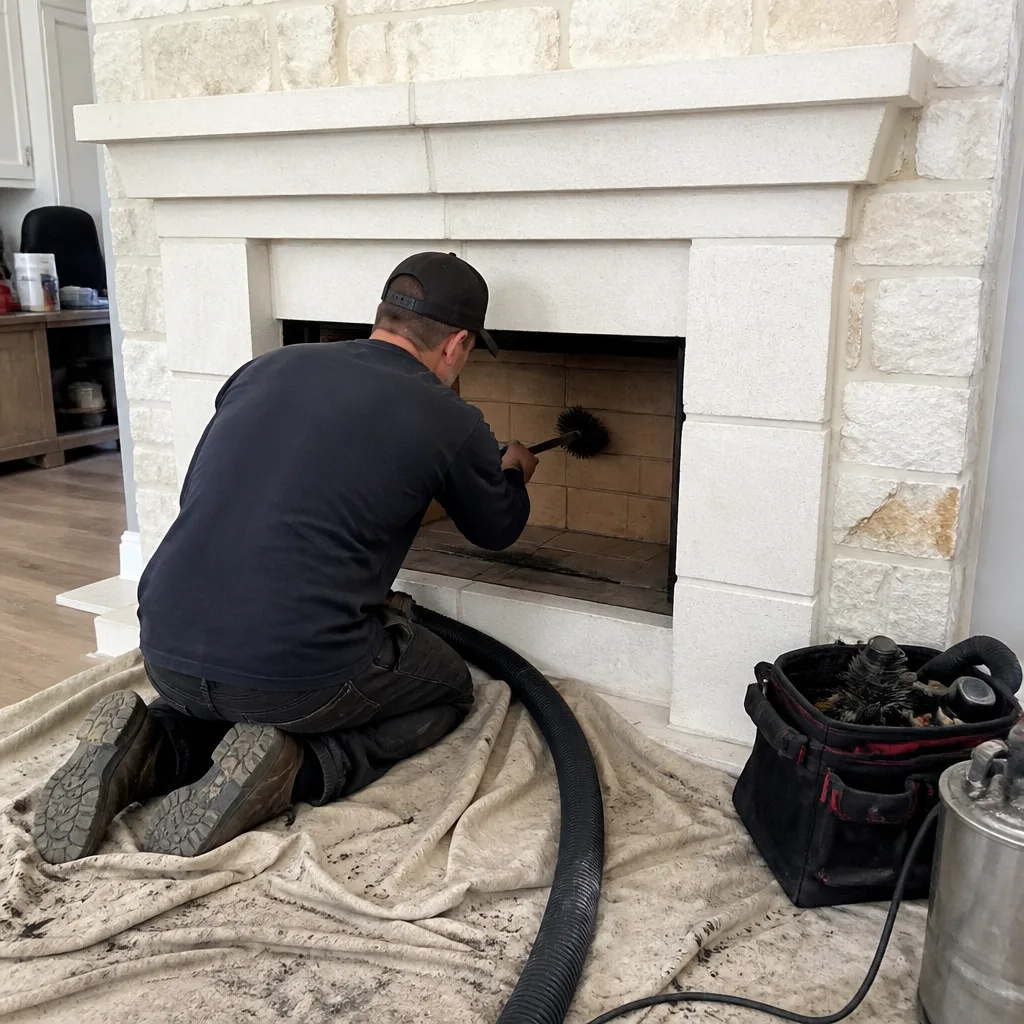 After
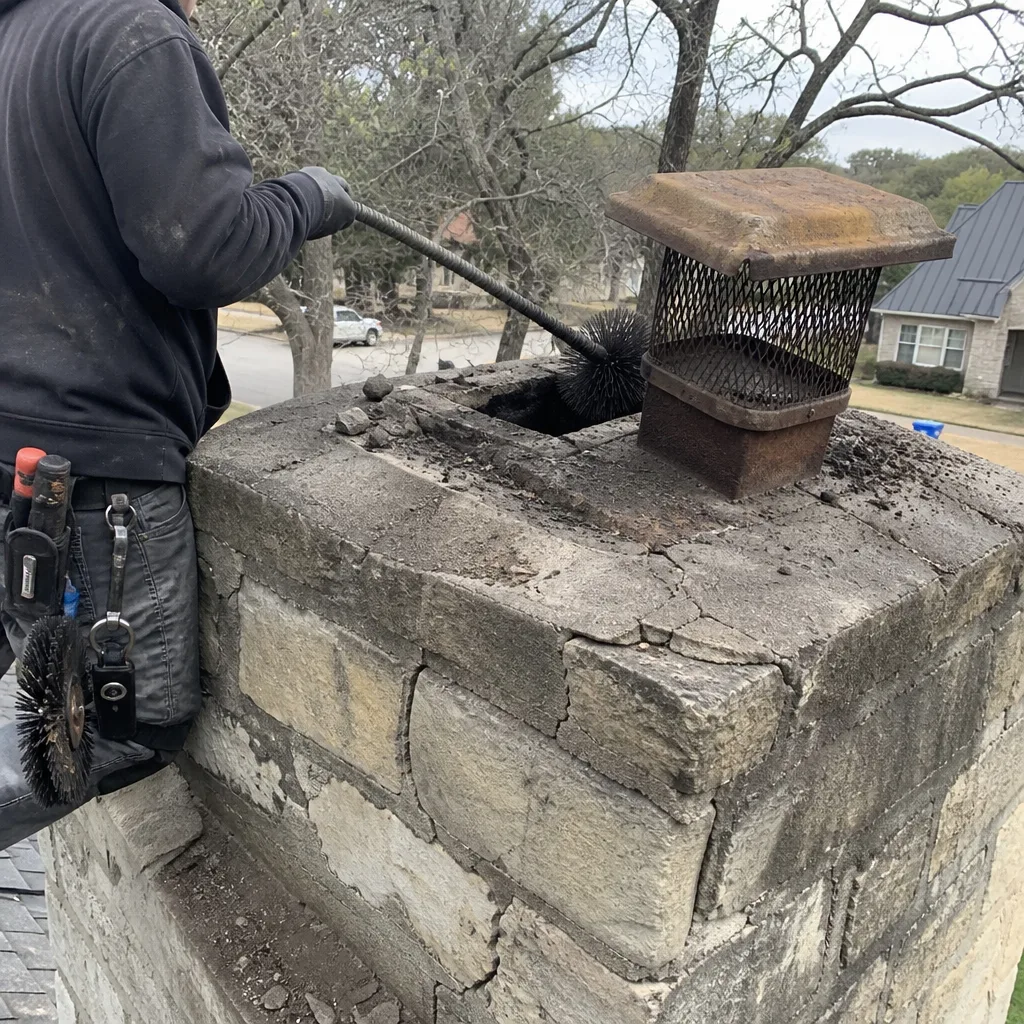 Before
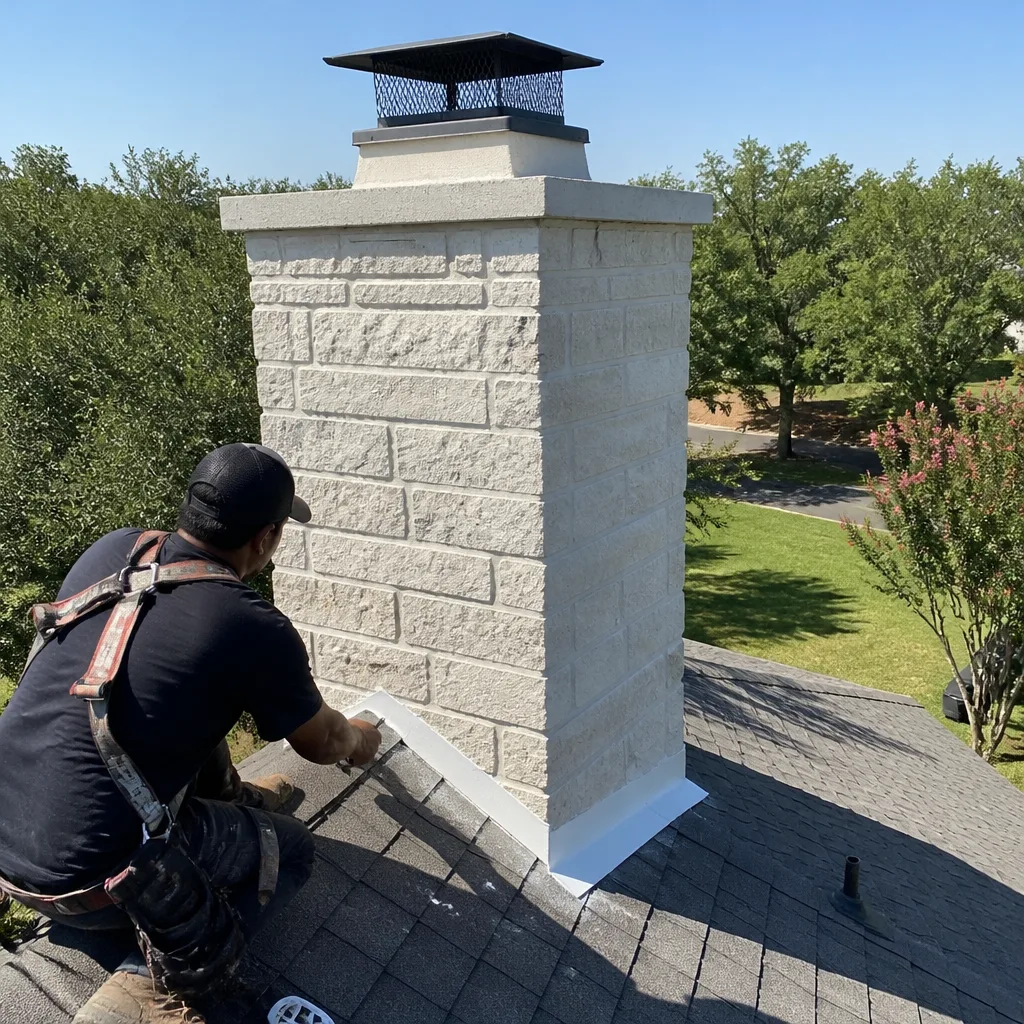 After
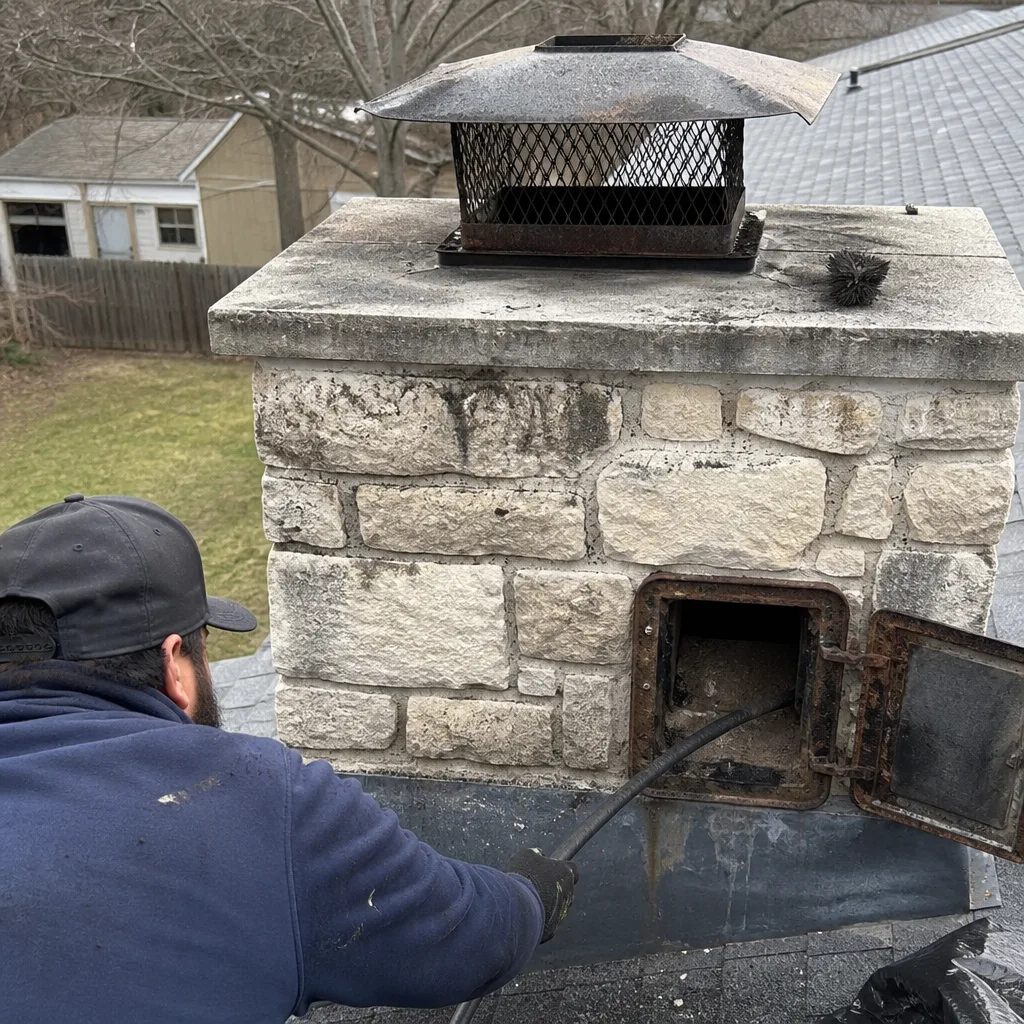 Before
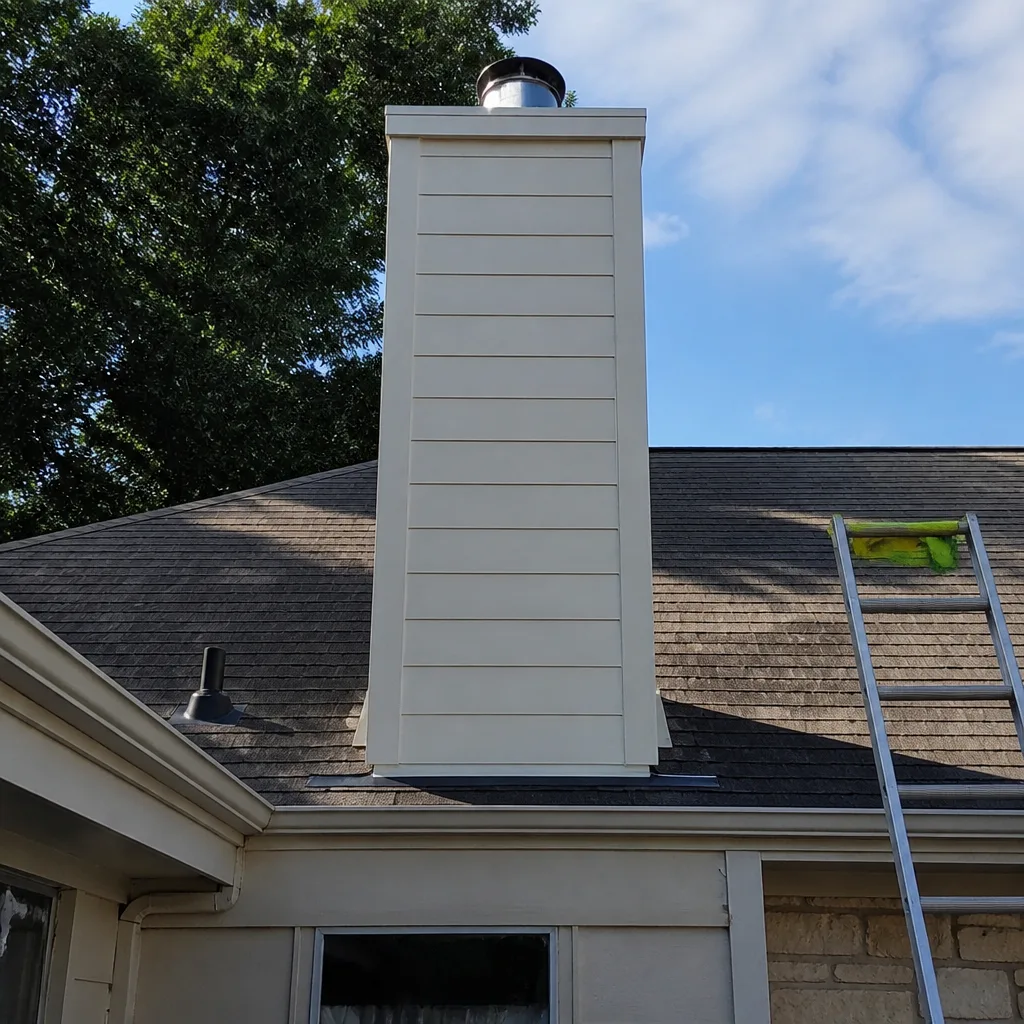 After
Frequently Asked Questions
A standard chimney sweep with Level 1 inspection in Georgetown TX typically runs between $180 and $350 depending on roof access, flue height, and creosote condition. For detailed pricing factors, see our Chimney Cleaning Cost Breakdown: The Georgetown Homeowner’s Reference for 2026. Homes with heavy third-degree creosote, multi-story access, or steep roof pitches fall at the higher end or require a follow-up chemical treatment visit. Call (877) 644-8036 for an exact quote – Resolute Chimney Sweep provides free estimates before any work begins.
You can perform a partial bottom-up sweep using a flexible rod system through the firebox, but it leaves the top section of the flue, the smoke chamber, and the cap area inadequately cleaned. Georgetown’s humidity swings and intermittent burn pattern mean creosote accumulation is often highest in the upper third of the flue. A professional sweep with rotary equipment reaches the full flue length and includes a camera inspection you cannot replicate from below.
The National Fire Protection Association recommends cleaning and inspection at least once per year for any chimney in regular use, and Georgetown homeowners who burn during the winter season should follow that schedule. If you burn more than two cords of wood per season, or if you burn oak and cedar in a standard brick fireplace, a mid-season check is a reasonable precaution. The specific schedule for your home depends on burn patterns and creosote accumulation rates, which a professional can assess during the first visit.
You should never accept a liner replacement recommendation without seeing camera evidence of the problem. At Resolute Chimney Sweep, we show you the camera images during the inspection and explain exactly what they show. Some liner issues, including minor surface pitting or cosmetic cracking, can safely wait. Structural separation, gaps at mortar joints that expose wall cavities, or liner breaches that allow gas intrusion require action. We use HeatShield resurfacing products and DuraFlex flexible liner systems when repair is indicated, and we can show you the before-and-after condition.
Creosote accumulates, hardens into third-degree glazing, and becomes a concentrated fuel source inside your flue. A chimney fire caused by third-degree creosote can reach temperatures above 2,000 degrees, cracking terra-cotta liners, warping metal flues, and radiating enough heat to ignite framing members. Skipping a few years of cleaning also means skipping inspection, so any liner damage that develops during that period goes undetected until it becomes a venting failure or a fire. The cost of a standard sweep is a fraction of the repair cost after a chimney fire.
Gas fireplaces need annual inspection and occasional cleaning, though the service is different from a wood-burning sweep. Vented gas logs produce acidic condensate that corrodes flue liners and mortar, and vent-free gas logs deposit film on walls and glass that requires specific cleaning products. A professional chimney sweep in Georgetown can service both gas and wood systems, and many Georgetown homes have one of each or convert between seasons.
The Bottom Line
The DIY chimney cleaning question comes down to this: you can brush your flue, but you cannot inspect it, and the inspection is where the actual safety value lives. A Georgetown homeowner with a brush kit removes surface creosote. A professional with rotary equipment, HEPA containment, and a camera removes what you can see, removes what you can’t, documents the condition, and catches liner failures before they become venting failures. The honest division of labor is simple: firebox debris, damper checks, and exterior cap inspection are DIY-appropriate; flue sweeping, smoke chamber cleaning, third-degree creosote treatment, and any inspection that matters for insurance or real estate are professional work. If you’ve been burning seasonally in a Georgetown home for two or more years, start with a professional cleaning and inspection. You’ll see the camera images, get the written report, and know exactly where your chimney stands.
Written by the team at Resolute Chimney Sweep, serving Georgetown since 2014.