Last updated October 31, 2026
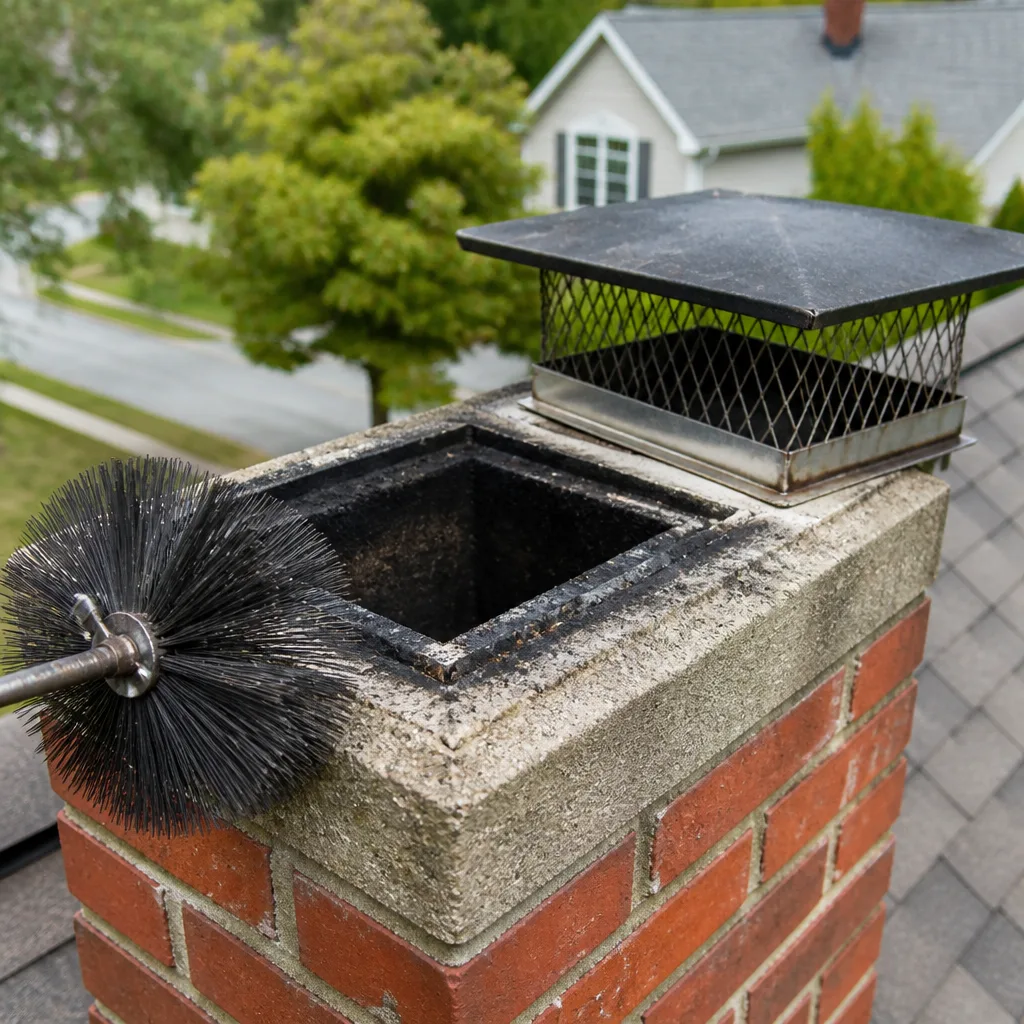 Sweep & inspection
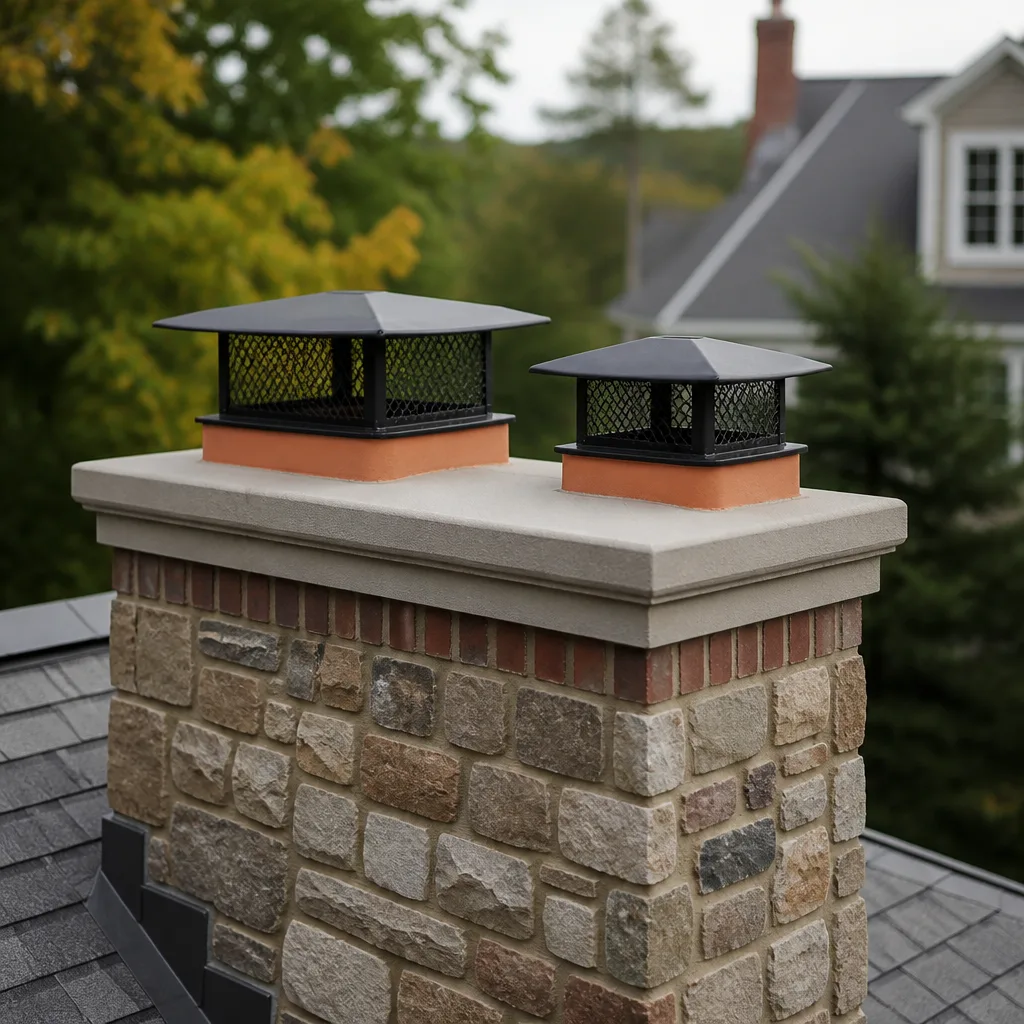 Caps & crowns
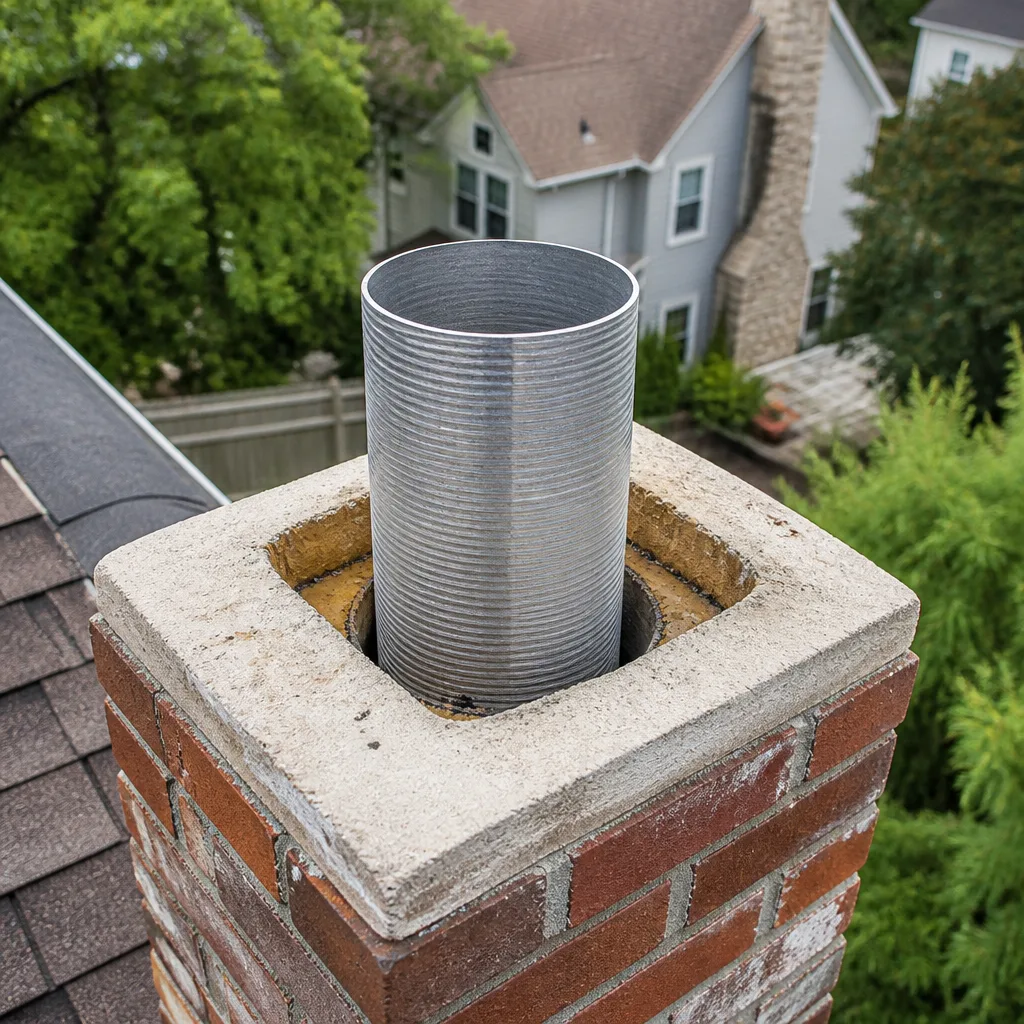 Flue relining
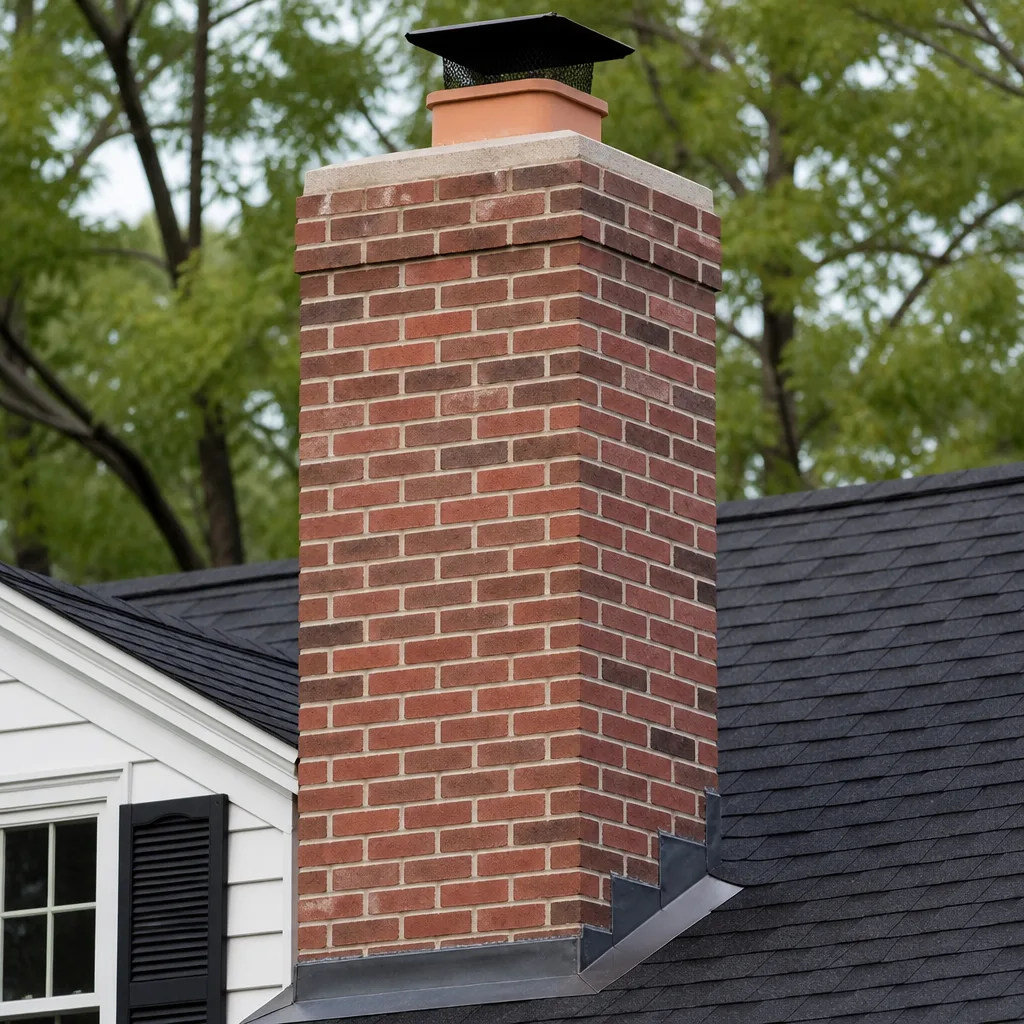 Masonry repair
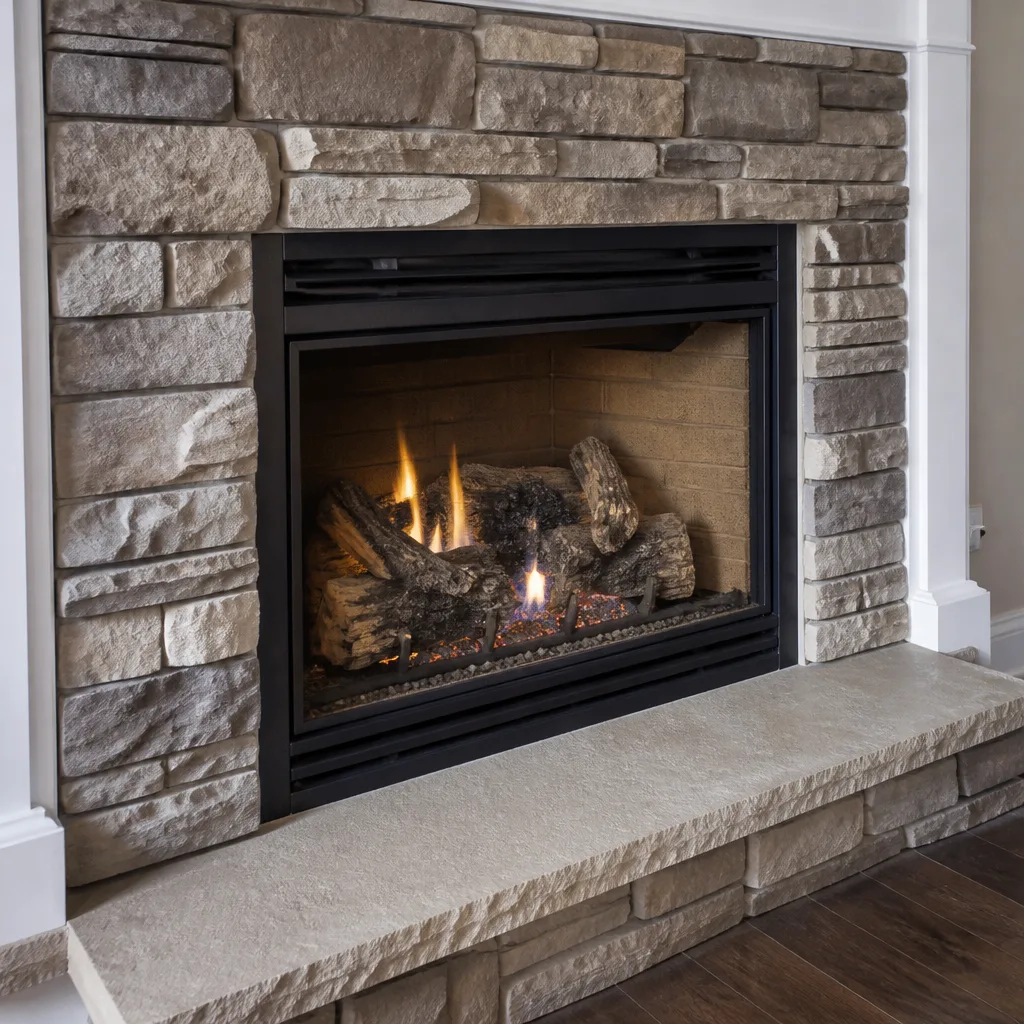 Gas fireplace service
Level 1 sweep and inspection to the NFPA 211 annual standard - flue, crown, cap, and flashing checked and photographed
Chimney sweep logs do not sweep chimneys. They loosen some creosote - which then falls where a brush and vacuum still have to collect it.
Chimney Cleaning Emergency Preparedness Guide for Georgetown Homes
A chimney fire can burn at over 2,000°F inside your flue while the room temperature stays completely normal. The first sign is often a roaring sound, like a freight train or low-flying jet, not visible flame. By the time you see fire, the flue has already failed or the fire has spread beyond it. This guide builds a specific response protocol for three scenarios Georgetown homeowners face: an active chimney fire, a carbon monoxide alarm triggered during fireplace use, and a flue that has survived a fire event. For chimney cleaning warning signs every Georgetown homeowner should know, see our reference guide. You will learn what to do in the first 60 seconds, what to demand from a post-event inspection, and how Georgetown’s climate and housing stock shape the risks your chimney carries.
Quick Answer
Chimney emergency preparedness means knowing three responses cold: for an active chimney fire, close the damper if you can do so safely, evacuate everyone, and call 911, never applying water to the firebox. For a CO alarm during fireplace use, treat it as a draft failure emergency: evacuate, ventilate if possible, and call the fire department before re-entering. After any fire event, the chimney must be inspected with a camera before reuse, because a flue that survived one fire has often sustained damage that makes the next fire catastrophic. For details on local requirements, see Chimney Cleaning Permits, Codes & Inspections in TX: What You Need to Know. For Georgetown specifically, preparedness also means having a CO detector within ten feet of every sleeping area and knowing which materials in your chimney system, including liners from brands like DuraFlex, were installed and when.
Styles & brands we work with
Table of Contents
- What to Do During an Active Chimney Fire
- Carbon Monoxide Alarms and Draft Failures
- Post-Fire Inspection and Documentation
- Pre-Season Preparedness Checklist
- Vetting a Contractor After an Emergency
- Georgetown-Specific Risks and Housing Factors
- Common Mistakes to Avoid
- When to Call a Professional
- Frequently Asked Questions
What to Do During an Active Chimney Fire
An active chimney fire is not a slow event. Creosote, the tar-like residue that builds up inside a flue from incomplete wood combustion, ignites and burns at temperatures that warp steel liners, crack clay tiles, and can ignite framing members within minutes. The sequence of actions matters because each one addresses a specific structural or life-safety risk.
Here is the protocol, in order:
- Close the damper if you can reach it without putting your hand near the firebox opening. Closing the damper restricts oxygen flow to the fire. This may slow the burn, but it will not extinguish a fire already moving through the flue. Do not reach across an open firebox.
- Evacuate everyone from the home immediately. Do not stop to gather valuables. A chimney fire can transition into a structure fire in under five minutes when the flue has existing cracks or gaps in the mortar joints.
- Call 911 from outside the home. Tell the dispatcher you have a chimney fire, not just a fireplace fire. The distinction alerts the responding crew that the fire may be inside the chimney structure, not just the firebox.
- Do not use water on the firebox or in the chimney. Water hits hot masonry and causes thermal shock, which can crack flue tiles instantly. Water also turns to steam, which expands violently inside the flue and can accelerate damage. Chimney fire suppressant canisters, which use a controlled chemical reaction to consume oxygen inside the flue, are the only safe at-home fire suppression tool for a chimney fire, and even those do not replace a 911 call.
- Wait for the fire department to clear the scene. Georgetown Fire Department crews will check the attic and wall cavities around the chimney chase for heat transfer. Wait for their clearance before re-entering.
In Georgetown, where many homes were built during the housing expansion of the 1990s and 2000s, we regularly see chimneys with prefabricated pipe systems rather than traditional masonry. Prefabricated systems, also called factory-built chimneys, have a specific failure mode during a fire event: the inner liner warps, the insulation collapses, and the pipe loses its structural rating. A chimney fire in a prefab system often means full replacement, not repair. This is why the material of your chimney matters before an emergency happens, not just after.
Carbon Monoxide Alarms and Draft Failures
A carbon monoxide alarm that activates during fireplace use is not a battery issue. It is a draft failure signal, and draft failures kill. CO is odorless, colorless, and binds to hemoglobin about 210 times more readily than oxygen, which means the body asphyxiates from within even while breathing normally. The symptoms of CO exposure, headache, dizziness, nausea, confusion, differ from smoke symptoms, which include coughing, eye irritation, and visible haze. If you smell smoke and feel symptoms, you have a smoke issue. If you feel symptoms with no smoke present, you have a CO event.
When a CO alarm sounds during or immediately after fireplace use, here is the response protocol:
- Evacuate everyone from the home. Do not open windows and then stay inside to investigate. Evacuate first, ventilate second.
- Call 911 from outside. CO events are a fire department response, not a utility company response. Firefighters carry gas detection meters and can identify the source and concentration.
- Do not re-enter until the fire department clears the home. CO disperses slowly, and a home can re-accumulate CO if the source is still active.
- After the event, have the chimney and venting system inspected. A draft failure means the flue is not pulling combustion gases up and out. Common causes in Georgetown homes include a blocked flue from a bird nest or leaf debris, a cracked flue liner, a cold flue that has not established draft, or negative air pressure inside the home caused by exhaust fans, an HVAC system, or a tightly sealed house.
We have seen Georgetown homes with sealed crawlspaces and high-efficiency HVAC systems that create negative pressure inside the house. When a fire is lit, the chimney cannot draft against the house’s negative pressure, and combustion gases spill into the living space instead of up the flue. This is a modern construction issue that older homes with leaky envelopes did not have. A CO detector within ten feet of every sleeping area is non-negotiable in any home with a wood-burning appliance, and in tightly sealed Georgetown homes, we recommend one on every floor regardless of where the fireplace is located.
Post-Fire Inspection and Documentation
A chimney that survived a flue fire has changed. The thermal stress placed on the liner, whether clay tile, steel, or poured-in-place, creates micro-fractures, warping, or delamination that are not visible from the firebox or the roof cap. The only way to assess a post-fire chimney is with a camera inspection that runs the full length of the flue. In our experience, a chimney that has experienced a fire event and is reused without inspection risks a second fire that reaches structure quickly, because the liner no longer contains the heat the way it did before the first fire.
A post-fire inspection should document:
- Liner integrity: Cracks, gaps, spalling, or warping in clay tile or steel liners, and any sections where the liner has separated at the joints.
- Creosote condition: Fire changes creosote from a sticky tar into a hard, glazed substance called third-degree creosote that is more difficult to remove and more likely to re-ignite.
- Mortar joints: Thermal expansion and contraction during the fire can crack mortar joints between flue tiles and in the smoke chamber.
- Clearance to combustibles: The fire may have charred framing members near the chimney chase, even if no structure fire occurred.
- Damper and smoke shelf condition: Warped dampers and damaged smoke shelves are common after a flue fire.
Georgetown Fire Department maintains incident reports for chimney fires. Your insurance company will likely request the fire department report number and a written inspection from a qualified chimney professional before processing any claim for post-fire repair or replacement. Document everything: the date of the fire, the fire department report number, the inspector’s findings, and photographs of any damage that requires repair. A chimney professional who performs Chimney Repair in Georgetown work should be able to produce all of this documentation in a format your insurance adjuster can use.
Pre-Season Preparedness Checklist
Preparedness for a chimney emergency is not a procedure you learn during the emergency. It is a set of items and habits you establish before burning season begins. In Georgetown, the burning season typically runs from late October through early March, with the heaviest use during cold snaps that arrive from November through February. Here is the chimney sweep maintenance checklist for Georgetown homeowners that should be complete before the first fire of the season:
- CO detectors: Functional, battery-tested, positioned within ten feet of every sleeping area. Replace units older than seven years from their manufacture date. Test them on the first of each month during burning season.
- Chimney fire suppressant canister: Store one within reach of the fireplace, not in a closet across the house. These canisters use a chemical reaction to consume oxygen inside the flue. They do not replace a 911 call, but they can slow a fire while you evacuate.
- Fire extinguisher: A dry chemical ABC extinguisher rated for Class A fires, positioned outside the primary firebox room. Not inside the room with the fireplace, where you may not be able to reach it during a fire event.
- Egress plan: Every household member knows two exits from the home and a designated meeting point outside. A chimney fire that transitions to structure fire may block primary exits, and the meeting point is where you account for every person.
- Annual inspection record: A Chimney Sweep in Georgetown inspection before the season establishes baseline liner condition. If a fire happens later in the season, that baseline tells the inspector what changed, which leads to faster decisions about repair versus replacement.
- Dryer vent service: Chimney emergencies share causal factors with dryer vent fires: accumulated lint, restricted airflow, and combustion byproducts building up in a confined space. A Dryer Vent Cleaning in Georgetown service addresses a parallel fire hazard that most chimney-only companies ignore, and we recommend it as part of a complete preparedness plan.
Vetting a Contractor After an Emergency
The window after a chimney fire is when homeowners are most vulnerable to pressure-sale replacements they do not need. A contractor who shows up, shines a flashlight up the flue, and announces you need a full reline without camera evidence is not doing you a service. Demand the camera inspection. Watch the footage. Ask the contractor to point at what they are seeing and explain what it means. A legitimate professional will walk you through the feed frame by frame.
Emergency repair work is exactly when spec-grade liner materials matter most. A DuraFlex flexible liner system is manufactured to code-compliant standards and rated for the temperatures a chimney system experiences during normal operation and during a chimney fire event. The right material for the repair is not a hardware-store substitute, and the distinction matters when the replacement liner is the only thing standing between a future chimney fire and your home’s framing. Brands like Olympia Chimney and Copperfield produce components that certified chimney professionals specify because those components are tested to the same standards the building code references. When you are choosing a post-fire repair contractor, ask what liner system they install and why. If they cannot name the manufacturer and the testing standard, walk away.
Here is a vetting checklist for post-emergency chimney work:
- Camera inspection before any recommendation: If there is no camera, there is no diagnosis. Reject any estimate that does not include video documentation of the damage.
- Written scope of work: What is being replaced, what is being repaired, what materials are being used, and what is the projected lifespan of the repair.
- Brand disclosure: The contractor should name the liner manufacturer and the specific product line. Generic language like “high-quality stainless steel liner” without a manufacturer name is a red flag.
- Permit and code knowledge: Georgetown requires permits for certain chimney repair work. A contractor who cannot tell you whether your scope requires a permit is not the right contractor.
- Pressure tactics: Any contractor who says the home is unsafe to occupy and pushes a same-day contract is using fear to close a sale. A legitimate professional will document the safety issue, explain your options, and let you decide without coercion.
We have repaired chimneys after fires that other companies said needed full replacement. Sometimes they were right. Sometimes the camera showed a repair was possible. The only way to know is to see the footage yourself, and a contractor who respects you will make that easy. The Resolute Chimney Sweep home page explains more about how we approach inspection and repair work.
Georgetown-Specific Risks and Housing Factors
Georgetown sits in Williamson County with a climate characterized by hot summers, occasional winter freezes, and a burning season that overlaps with the coldest, driest months of the year. The freeze-thaw cycle affects exterior masonry chimneys in Georgetown: water penetrates small cracks in the crown or mortar joints, freezes during winter nights, and expands, widening the cracks each cycle. By the time a homeowner notices visible damage, the flue has often been compromised for multiple seasons.
The housing stock in Georgetown matters for chimney risk. Homes built during the rapid expansion of the 1990s and 2000s often have factory-built chimney systems, which are rated for specific temperatures and fail in a more sudden way than traditional masonry. Homes built earlier in neighborhoods near the historic downtown area often have true masonry chimneys, which can be more durable but are also older and have had decades of weather exposure. Clay tile liners in Georgetown masonry chimneys are particularly vulnerable to freeze-thaw spalling, which creates cracks where creosote can accumulate and later ignite.
One factor we see repeatedly in Georgetown is the interaction between new construction and existing chimneys. Homes that have been renovated with new windows, new HVAC, and new insulation become tighter. That tightness changes the pressure dynamics inside the home, which changes how the chimney drafts. A chimney that worked fine for 20 years in a leaky house may not draft properly in that same house after an energy-efficiency retrofit. This is why the pre-season inspection matters: it catches draft failure risks before the first cold night.
Common Mistakes to Avoid
These are the mistakes we see most often in Georgetown homes, in our direct experience with post-fire inspections and pre-season sweeps:
- Pouring water on a chimney fire. Thermal shock cracks flue tiles instantly, and steam expands inside the flue with enough force to damage the chimney structure. Use a chemical suppressant canister or nothing at all, and evacuate.
- Reusing a chimney after a fire without a camera inspection. The liner has changed, the creosote has transformed into a harder, more flammable form, and the next fire burns hotter and reaches structure faster. We have seen second fires that were far worse than the first because the homeowner skipped the post-event inspection.
- Dismissing a CO alarm as a low battery. CO alarms are designed to signal multiple times at low concentrations. If a CO alarm sounds during fireplace use and stops when you open a window, that is a draft failure, not a faulty sensor. Treat it as an emergency.
- Burning green or unseasoned wood. Georgetown’s humid climate means wood takes longer to season properly. Green wood produces more creosote per fire, and accumulated creosote is the fuel for chimney fires. Burn wood that has been split and stacked for at least six months, protected from rain.
- Ignoring the dryer vent as a fire source. Dryer vents and chimneys share the same stakes: confined space, combustion byproducts, restricted airflow. A dryer vent filled with lint is a fire that has not happened yet, and we address it as part of a complete household safety plan.
- Accepting a replacement estimate without seeing the camera footage. If the contractor cannot show you the damage, you are being sold a story, not a repair. Demand footage before you sign anything.
- Waiting until the first cold snap to schedule a sweep. Georgetown sweep schedules fill up when the first freeze hits. Book the pre-season inspection in September or October, and you avoid the rush and the risk of running your fireplace uninspected.
When to Call a Professional
Call a chimney professional before burning season starts for an annual inspection and sweep. Call immediately after any chimney fire, even one you think was minor. Call if a CO alarm sounds during fireplace use and the fire department has cleared the scene. Call if you notice visible cracks in the chimney crown, spalling brick, or a white powdery residue on the exterior masonry, signs of water damage that compromise the system. Call if a Chimney Sweep in Georgetown finds damage during a routine cleaning and you want the repair handled by the same company that found it. Resolute Chimney Sweep offers free estimates in Georgetown, call (877) 644-8036.
Frequently Asked Questions
Chimney sweep pricing in Georgetown typically ranges from $149 to $300 for a standard inspection and cleaning, with higher costs for homes with significant creosote buildup, multiple flues, or accessibility issues like steep roofs. The cost of a sweep is a fraction of the cost of a post-fire repair, and a clean flue is the single most effective prevention tool a homeowner has. Call (877) 644-8036 for an exact quote, estimates are free.
A camera inspection determines whether a liner needs replacement or can be repaired, and a flue that has experienced a fire event often needs either a HeatShield resurfacing treatment or a full reline with a DuraFlex system. Some liners survive a fire with minor damage; others fail structurally even though they look fine from the outside. The camera footage is the evidence you use to make that decision, and a professional who cannot show you the footage has not done the diagnosis.
A chimney used regularly during burning season should be swept annually, and the National Fire Protection Association recommends inspection at least once per year regardless of usage frequency. If you burn green wood, burn every day during winter, or have a history of chimney fire, you may need a mid-season sweep. Georgetown’s burning season is short but intense, and annual service before the season starts is the standard we recommend.
The flue continues to accumulate creosote, which is the fuel for a chimney fire, and any existing liner damage or draft problems continue to worsen undetected. We have inspected chimneys in Georgetown that had not been cleaned in over a decade, and the creosote buildup was dense enough to ignite from a single hot fire. The risk is cumulative, not immediate: each fire adds to the problem until the conditions are right for ignition.
A chimney fire can transition to a structure fire when the fire breaches the flue liner and reaches combustibles like framing members, insulation, or roofing materials. In Georgetown homes with older clay tile liners, cracks that form from thermal stress create a direct path for fire to reach the chimney chase, and once fire is in the chase, it spreads into the attic quickly. The liner is the boundary between the fire and your home, and an intact liner is the difference between a scary event and a total loss.
Dryer vents accumulate lint, which is highly flammable and restricted from escaping when the vent is clogged, creating a fire hazard that operates on the same principle as chimney creosote buildup. We treat chimneys and dryer vents as one category of combustion and exhaust safety, and a household that cleans both annually has addressed two of the most common residential fire ignition sources. A dryer vent fire can start in the wall cavity and spread before any smoke is visible, much like a chimney fire.
The Bottom Line
A chimney emergency in Georgetown is a short-window event where the right actions mean the difference between a confined flue fire and a structure fire. Know the protocol for an active chimney fire, treat CO alarms as emergency signals rather than battery issues, and never reuse a post-fire chimney without a camera inspection. Prepare before the season with working CO detectors, a suppressant canister, and an annual sweep. For more guides & resources, visit our blog. And when a fire happens, demand evidence-based diagnosis and spec-grade materials. The right material for the repair, installed correctly, is what stands between your family and the next fire.
Written by the team at Resolute Chimney Sweep, serving Georgetown since 2014.
See the difference
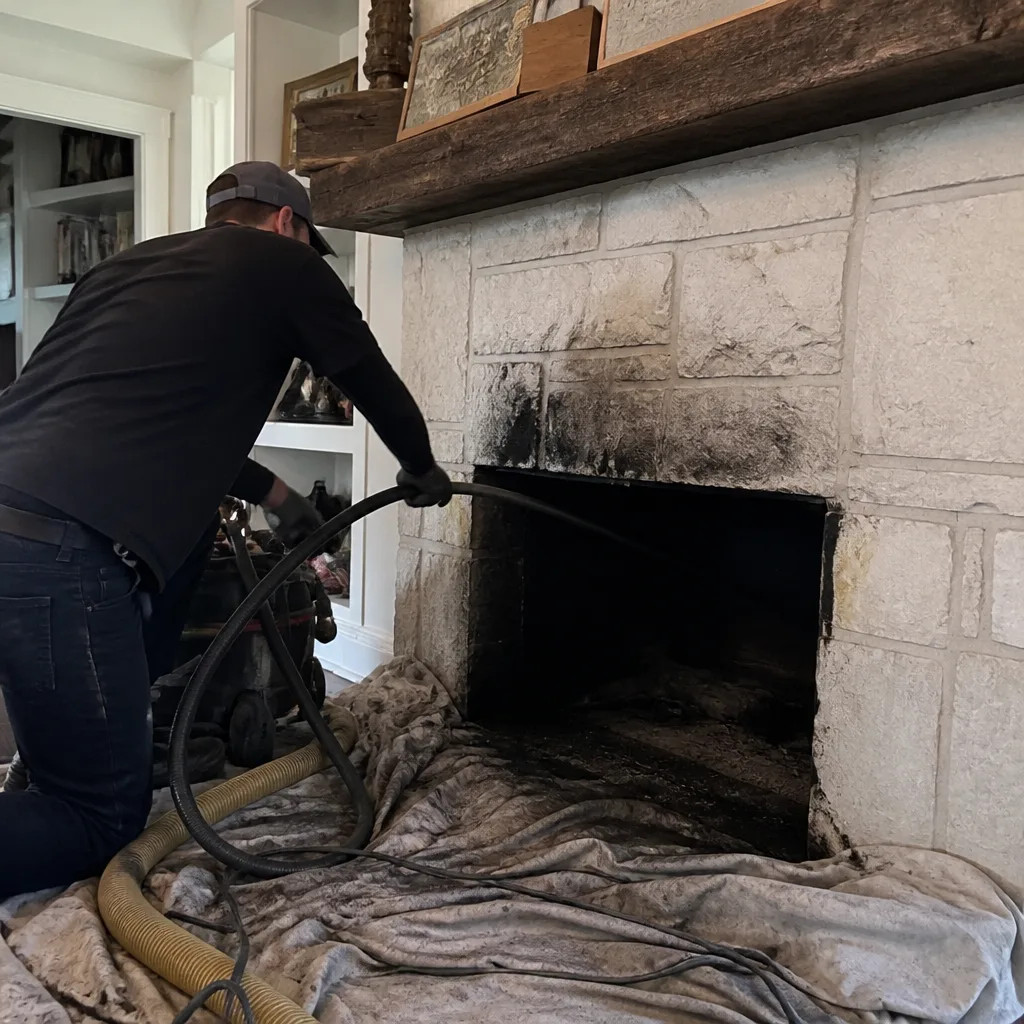 Before
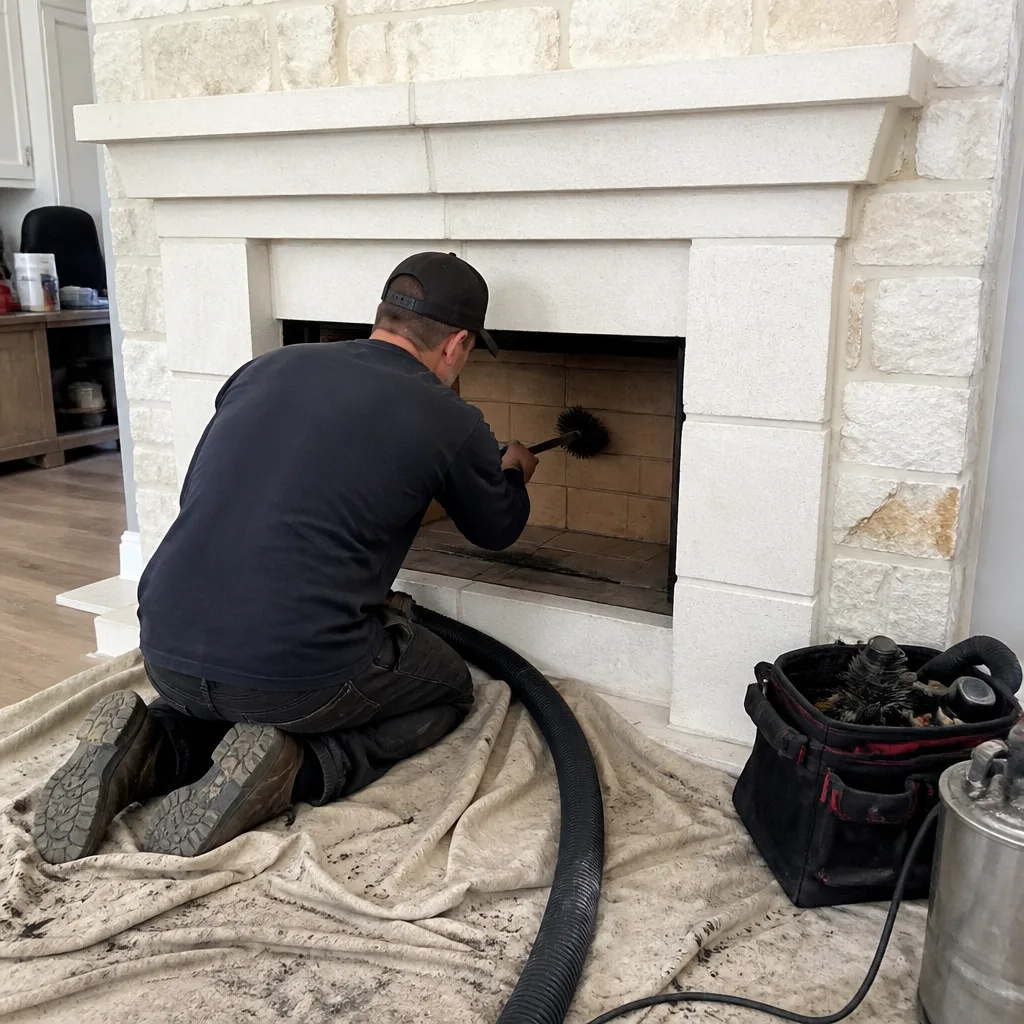 After
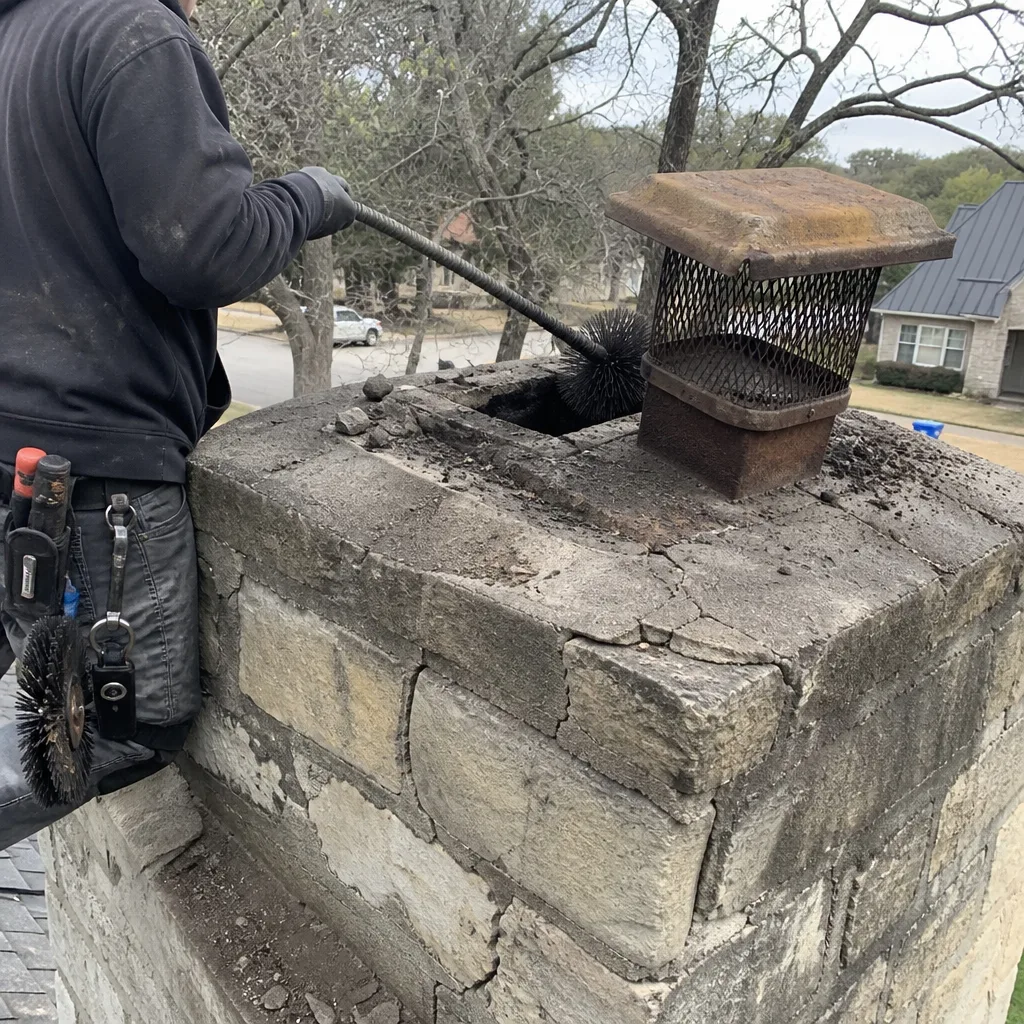 Before
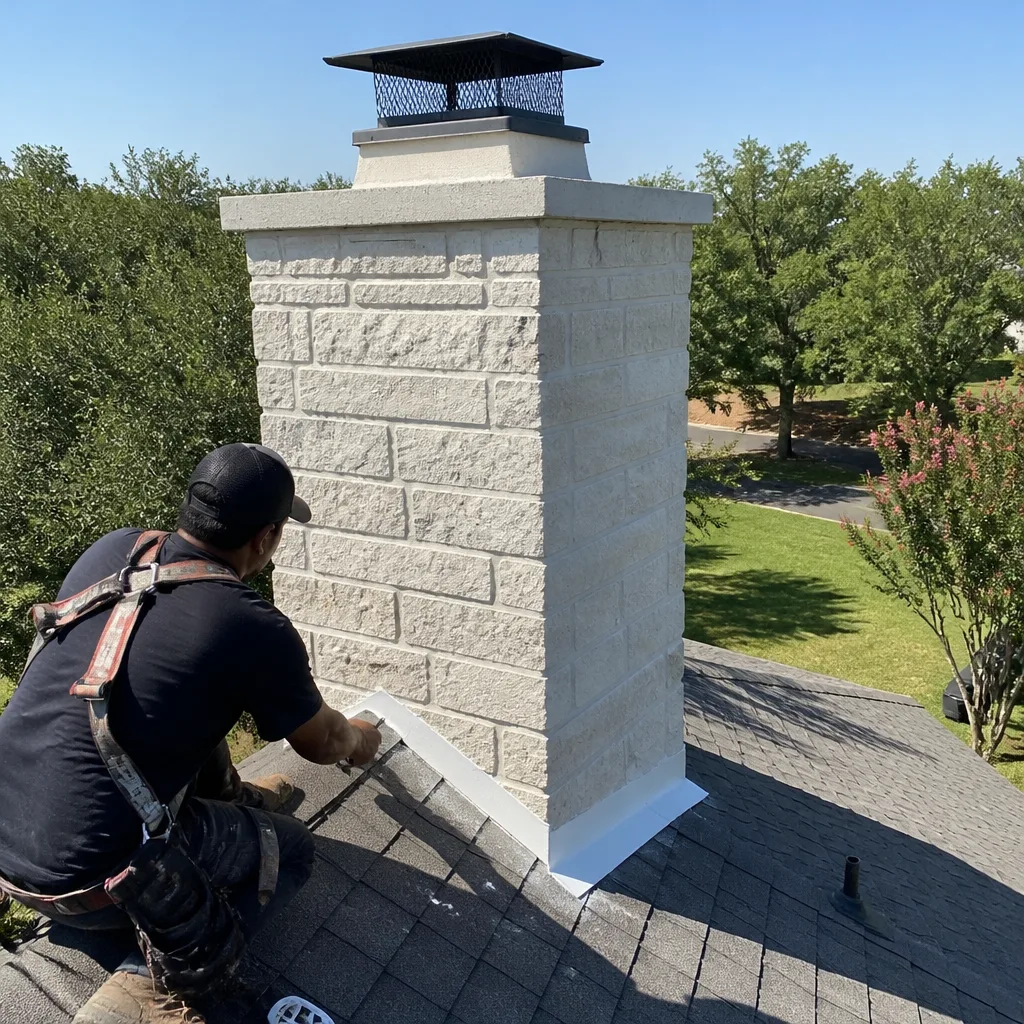 After
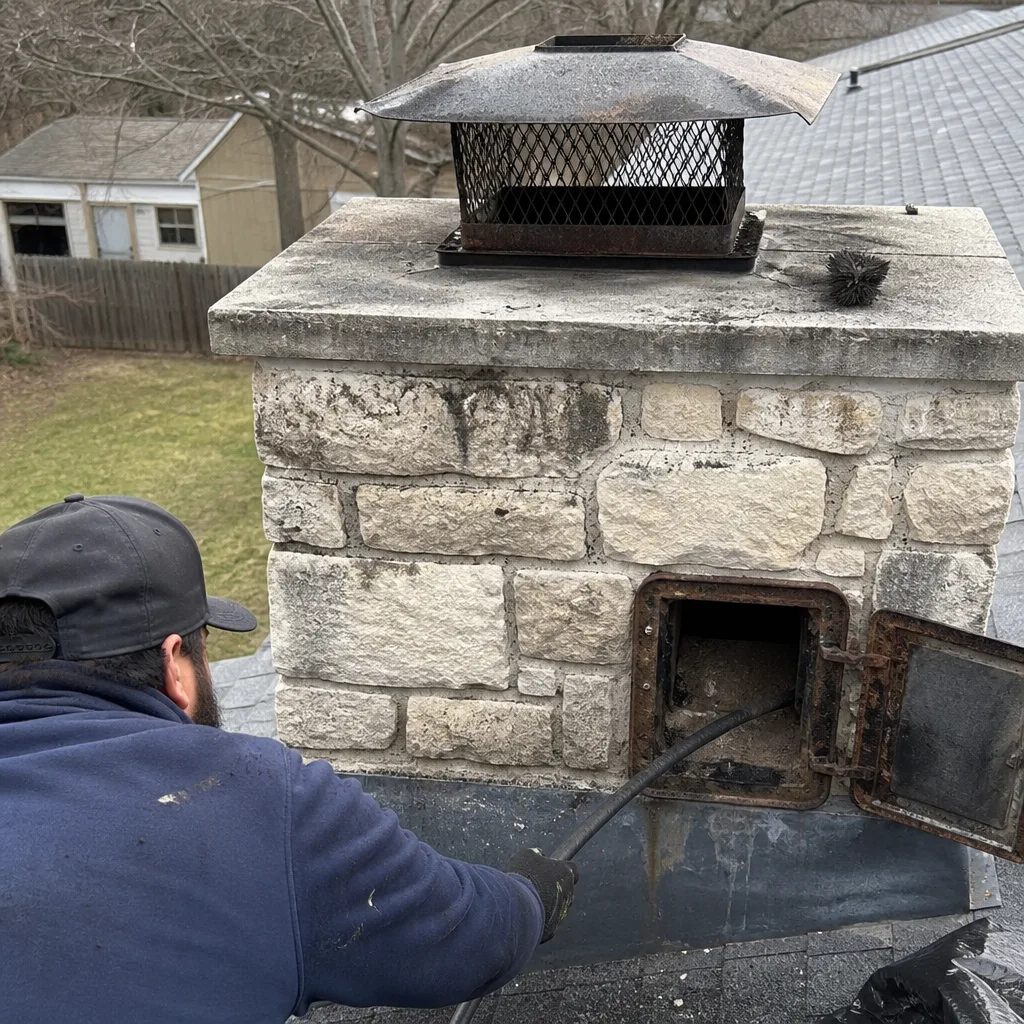 Before
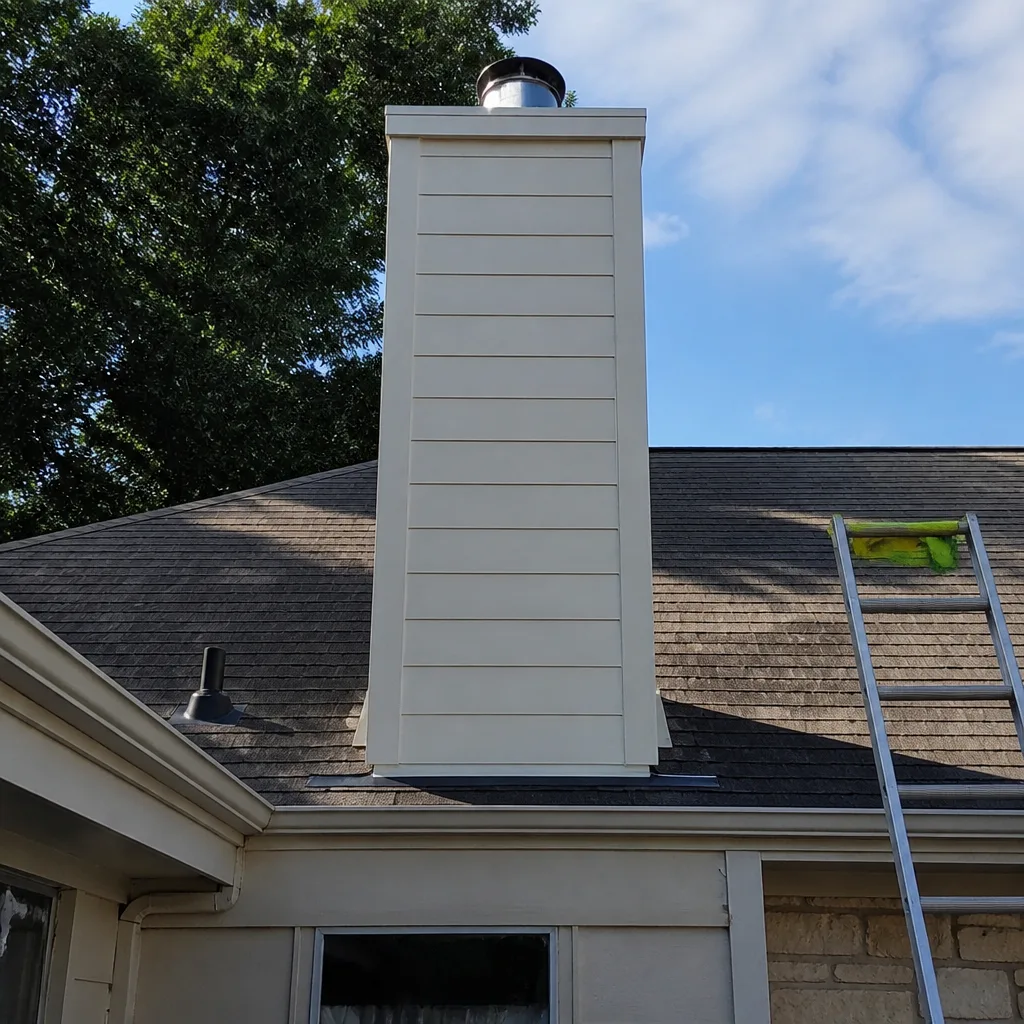 After