Last updated October 31, 2026
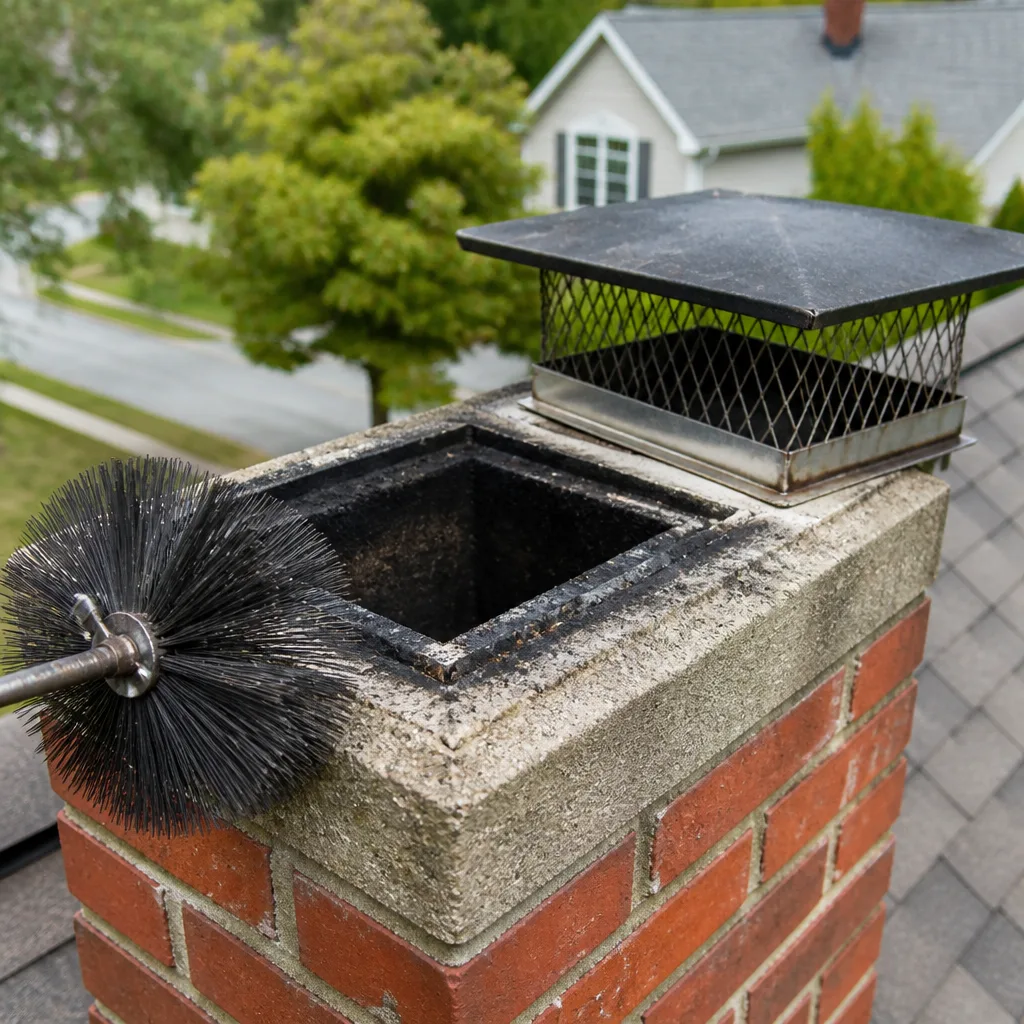 Sweep & inspection
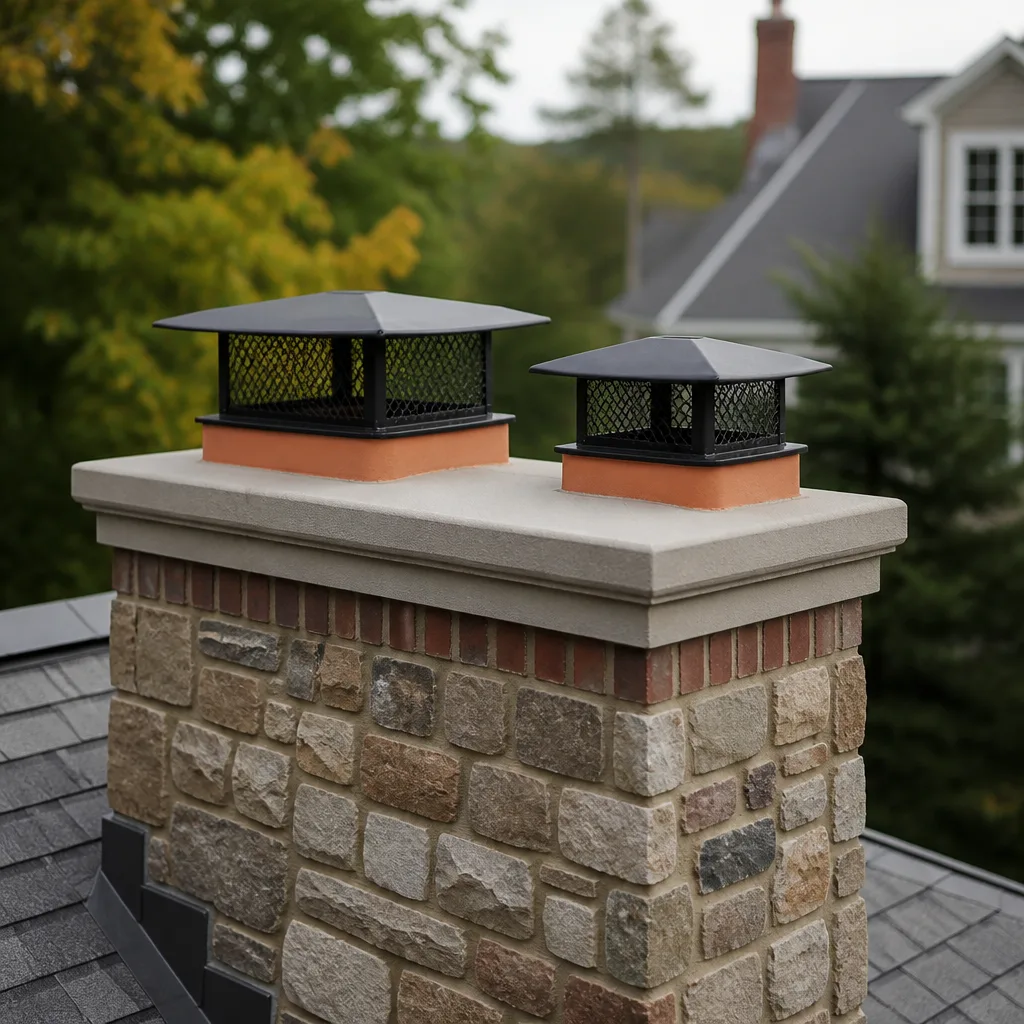 Caps & crowns
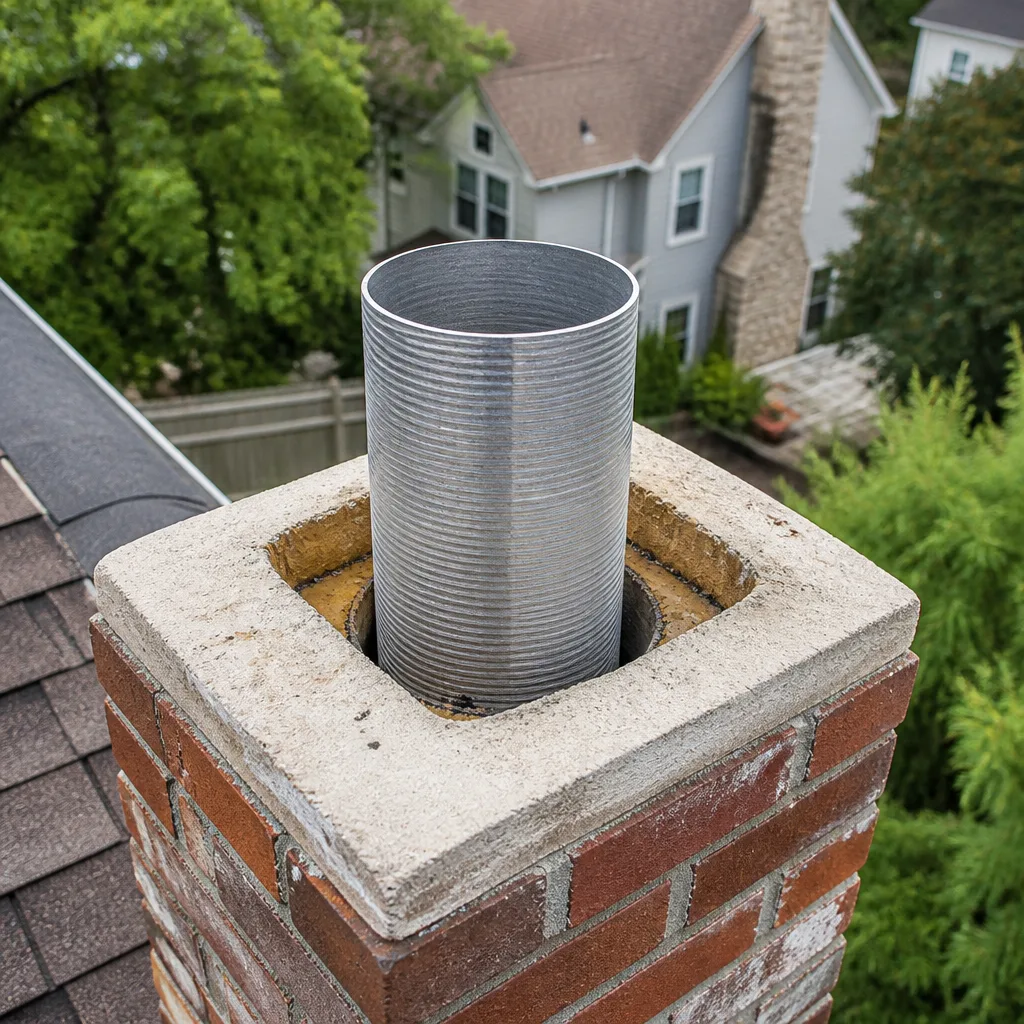 Flue relining
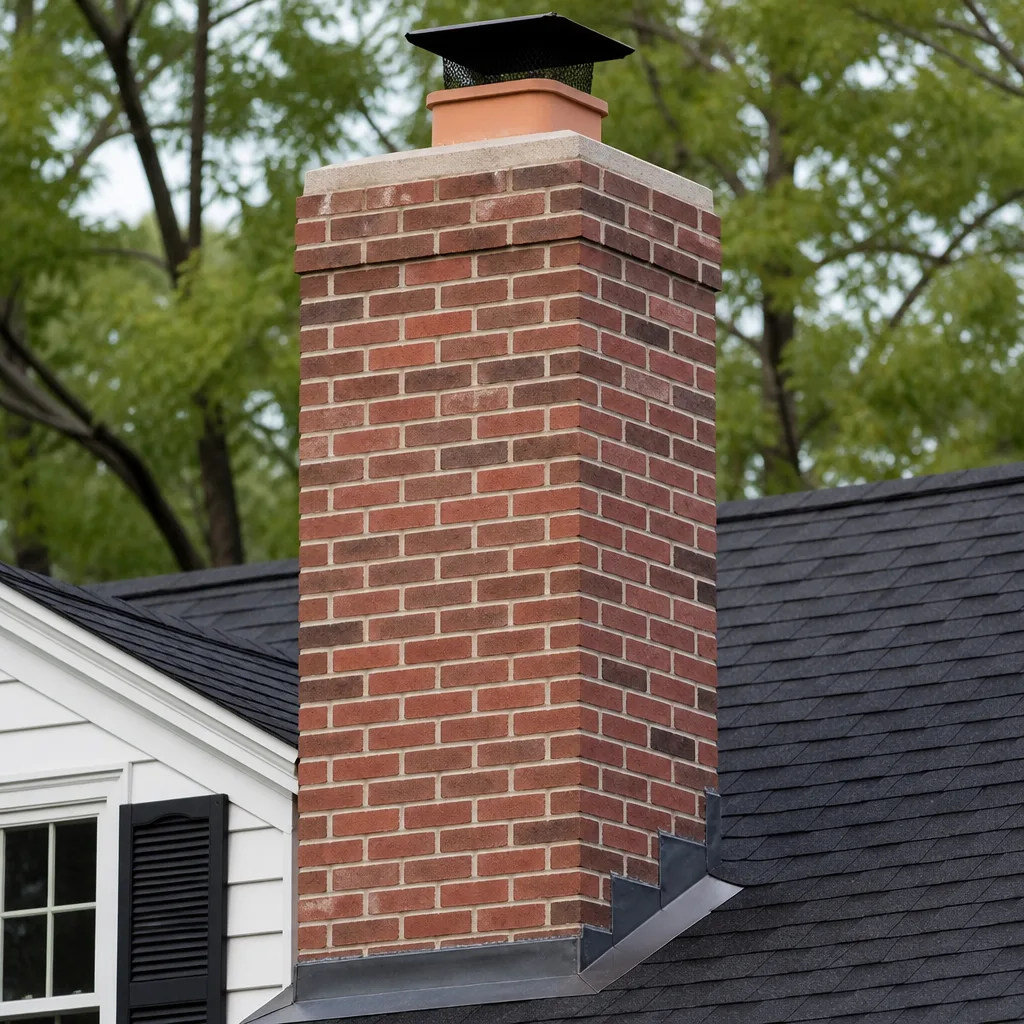 Masonry repair
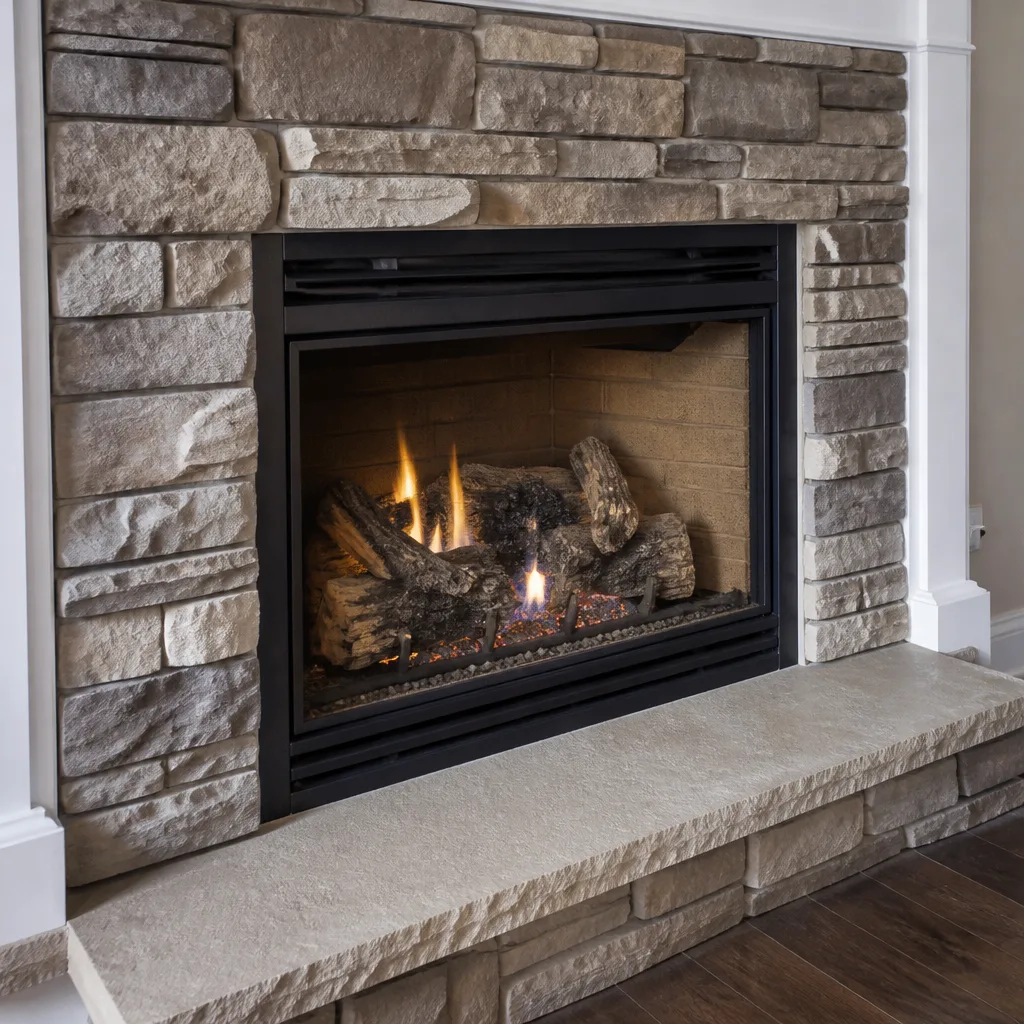 Gas fireplace service
Level 1 sweep and inspection to the NFPA 211 annual standard - flue, crown, cap, and flashing checked and photographed
Chimney sweep logs do not sweep chimneys. They loosen some creosote - which then falls where a brush and vacuum still have to collect it.
Chimney Cleaning Cost Breakdown: The Georgetown Homeowner’s Reference for 2026
Here’s a number that should make you pause: the average chimney fire in Texas causes over $6,000 in structural damage before the fire department even arrives. In Georgetown, where limestone homes and mature trees are common, the risk compounds, as many chimneys built in the 1980s and 1990s are now reaching the age where liner deterioration and mortar failure show up together. This guide breaks down what a chimney cleaning actually costs in Georgetown in 2026, line by line, so you can compare quotes with confidence and know exactly what you’re paying for. For more guides & resources, see our blog. If you’ve ever stared at two wildly different quotes and wondered what the gap really represents, this is the reference you need.
Quick Answer
A professional chimney sweep in Georgetown, TX typically costs between $180 and $340 for a standard cleaning with visual inspection. The total price depends on the chimney’s condition, accessibility, and whether follow-on repairs like liner work or crown resurfacing are needed. Those repairs run from $300 for a simple cap replacement to $2,500 or more for a full DuraFlex liner installation.
Styles & brands we work with
Table of Contents
- What a Base Sweep Price Should Include
- Itemized Cost Ranges for Common Follow-On Repairs
- Why Material Sourcing Changes Total Cost of Ownership
- How to Compare Quotes Accurately
- One-Time Capital Improvements vs. Recurring Maintenance
- Georgetown-Specific Factors That Affect Pricing
- Budgeting Over a 5-Year Ownership Horizon
- Common Mistakes to Avoid
- When to Call a Professional
- Frequently Asked Questions
What a Base Sweep Price Should Include
The $79 chimney sweep special that circulates through Georgetown’s coupon mailers and Facebook groups is not the same service as a $300 professional sweep. We’re not saying the more expensive option is automatically better. We’re saying the scope is different in ways that matter for your safety and your documentation. A specification-grade sweep includes four components that discount specials either skip or perform superficially.
First, the rotary brush system. This is a powered brush that spins against the flue walls, removing creosote that static brushes leave behind. Creosote is the tar-like residue from wood combustion that accumulates on flue walls. It ignites at roughly 451°F, and a hot fire can easily reach that temperature inside your chimney. The rotary brush removes more of it in one pass.
Second, HEPA vacuum containment. A proper sweep sets up negative air pressure so that soot and creosote dust don’t blow into your home during cleaning. This is non-negotiable if you have children, pets, or anyone with respiratory sensitivities in the house. Georgetown’s summer dust already puts enough particulate in the air inside homes.
Third, a visual inspection of the entire system. This means looking at the flue liner, the smoke chamber, the damper, the firebox, the crown, and the exterior masonry. A discount sweep often checks only what’s visible from the firebox and the roof, but deterioration in the middle of the flue is invisible unless you’re looking with a camera.
Fourth, a written condition report. You should leave the service with a document that tells you what was cleaned, what was found, and what the technician recommends, with photos where relevant. This report is your protection. It’s also your baseline for the next year’s comparison. Without it, you’re relying on memory when a different company tells you something different next year.
In our experience, Georgetown homes built before 2000 frequently have chimneys with mortar joints that began failing five to ten years ago, as noted in our Chimney Cleaning Warning Signs: A Georgetown Homeowner’s Reference Guide. A sweep that includes a thorough inspection will catch this. A sweep that rushes through won’t. And a missed mortar issue becomes a structural repair that costs ten times what a re-pointing job would have.
Chimney Sweep in Georgetown work should always include these four components. If a quote doesn’t mention them, ask. If the answer is vague, walk.
Itemized Cost Ranges for Common Follow-On Repairs
A sweep finds what it finds. Sometimes that’s a clean bill of health. Sometimes it’s a cracked flue liner, a spalling brick face, or a chimney cap that rusted through years ago. Here are realistic cost ranges for the Georgetown market in 2026, based on the repairs we perform regularly after sweeps.
Chimney Cap Replacement: $300 – $600
A galvanized or stainless steel cap keeps rain, birds, squirrels, and debris out of your flue. Georgetown’s raccoon and squirrel population is active, and an uncapped chimney is an open invitation. Caps rust out over 10 to 15 years. Replacement includes the cap itself, a mounting bracket or legs, and securing it to the flue tile. Stainless steel runs toward the top of the range but lasts decades longer than galvanized.
Crown Rebuild or Resurfacing: $800 – $1,800
The crown is the concrete slab at the top of the chimney that seals the brick from the weather. Georgetown’s freeze-thaw cycles, while less severe than northern states, still cause hairline cracking over time because winter nights regularly dip below freezing while daytime temperatures warm up. Every crack lets water in. Water intrusion is the single biggest destroyer of chimneys in Central Texas. A crown rebuild involves removing the old crown, creating a proper drip edge, and pouring a new crown with flexing agents that resist cracking.
DuraFlex Liner Installation: $1,800 – $3,500
When the existing clay flue liner is cracked, deteriorated, or missing sections, code requires a new liner before the chimney can safely operate, as detailed in our Chimney Cleaning Permits, Codes & Inspections in TX: What You Need to Know. We install DuraFlex flexible liner systems manufactured to industry specifications, and this is where your money goes: the liner itself, insulation if the chimney is unlined or has clearance issues, a top plate, a rain cap, and the labor to fish the liner through the flue and connect it properly to the stove or insert. Off-brand liners may cost $300 less upfront. They don’t come with the same manufacturer warranty, and they don’t hold up the same under high-temperature use.
HeatShield Smoke Chamber Resurfacing: $1,500 – $2,800
The smoke chamber is the funnel-shaped area above the firebox where smoke passes before entering the flue. On many Georgetown homes built in the 1980s and 1990s, the smoke chamber was built with corbeled brick – stepped masonry that leaves gaps and rough surfaces where creosote accumulates and embers can lodge. HeatShield is a resurfacing material that seals the chamber smooth, eliminating those catch points. This is a specialized repair that basic sweep companies don’t offer, and it’s one of the repairs we handle most frequently after sweeps on older homes.
Masonry Re-pointing (Tuckpointing): $15 – $30 per square foot
Deteriorated mortar joints let water into the brick structure. Re-pointing removes the damaged mortar and replaces it with new mortar matched to the original. On a standard chimney with moderate deterioration, most Georgetown homes need 30 to 60 square feet of re-pointing, putting the total between $450 and $1,800. Catching this early prevents the need for partial brick replacement, which is a different and more expensive project.
For structural repairs and liner work, Chimney Repair in Georgetown should be handled by a company that stocks the right materials and does the work in-house, not one that subs it out to a handyman with a caulking gun.
Why Material Sourcing Changes Total Cost of Ownership
You can buy chimney liner components at a hardware store. You shouldn’t. And there’s a simple reason: the materials that professional chimney technicians install are sourced through professional supply channels, not retail shelves, because they’re built to a different specification.
Take liner systems. A DuraFlex liner from a professional supply house is designed for continuous high-temperature use, with a corrugated wall profile that maintains strength while flexing through offset flues. It carries a manufacturer warranty that covers material defects for the life of the installation. The generic 6-inch liner you’ll find elsewhere is often thinner-gauge steel made for short-term use in wood stoves, not permanent chimney relining. It may not carry a warranty at all. When it fails, you’re paying for the same job twice.
The same principle applies to caps, dampers, and masonry components. We source from Olympia Chimney, Famco, and Copperfield because these brands are sold through professional chimney supply channels and are specified by certified chimney professionals. The reason matters: a cracked crown rebuilt with the correct flexing agent lasts 15 to 20 years in Georgetown’s climate. A crown patched with the wrong mix fails in two or three years. The material choice is not a small detail. It’s the whole ballgame.
When you compare quotes, look for whether the proposal names the materials. “Chimney liner replacement” tells you nothing. “DuraFlex liner system with insulation wrap and stainless top plate” tells you exactly what’s going in. The more specific the quote, the more accountable the contractor is to the finished product. The more vague the quote, the more likely you’re getting whatever was cheapest at the supply counter that week.
How to Compare Quotes Accurately
Comparing chimney quotes isn’t like comparing tire prices. The same job description can vary by $1,500 in Georgetown depending on what’s actually included. Here’s how to compare apples to apples.
- Ask for the same inspection level. A visual-only inspection is different from a camera inspection. A camera sees inside the flue. Without it, you’re trusting a flashlight and someone’s neck angle. Two companies quoting different inspection methods are not quoting the same job.
- Demand the same written deliverables. One quote may include a written condition report with photos. Another may not. The report has real value – it’s your documentation for insurance purposes, for future buyers if you sell, and for your own tracking over time. A quote without a report is cheaper for a reason.
- Specify the same material standards. Ask each bidder what liner system, cap material, or resurfacing product they’re using. If one quote says “DuraFlex” and another says “liner,” the second quote hasn’t told you enough to compare. You’re not comparing price. You’re comparing price against an unknown.
- Confirm who performs the work. Some companies sell the job and sub it out. Some do it themselves. The difference matters because the company that did the sweep and wrote the report has first-hand knowledge of your chimney’s condition. A subcontracted crew is working from a work order, not direct observation. In chimney work, the details matter in real time.
- Check for hidden exclusions. Does the quote include the cap? The permits if required? The clean-up and disposal of old materials? A basement-price quote that excludes the cap isn’t a better deal. It’s an incomplete job waiting to surprise you.
The bottom line: the number on the quote is only meaningful when the scope behind it is identical. If one company in Georgetown gives you a $600 number and another gives you $1,200 for what sounds like the same work, the gap exists for a reason. Figure out what that reason is before you choose.
One-Time Capital Improvements vs. Recurring Maintenance
Not every chimney cost is created equal. Some are maintenance expenses that repeat annually or every few years. Others are capital improvements you pay for once, and then they serve you for the life of the home. Confusing the two leads to bad budgeting and worse decisions.
Recurring Maintenance Costs
- Annual professional sweep: $180 – $340. This is your baseline cost for as long as you burn wood. Budget for it annually if you use your fireplace regularly, or every two years if you use it occasionally.
- Chimney cap replacement: $300 – $600, typically every 10 – 15 years. Georgetown’s sun and storms are rough on caps, and the UV exposure accelerates rust on galvanized units.
- Masonry inspections and minor re-pointing: $200 – $500 every 3 – 5 years, depending on exposure and initial condition. Small cracks caught early are cheap to fix. Large cracks ignored are not.
One-Time Capital Improvements
- DuraFlex liner installation: $1,800 – $3,500. With proper maintenance, a correctly installed liner lasts 20 to 30 years. This is a capital improvement that protects the home and increases safety, not something you’ll do again in five years.
- HeatShield smoke chamber resurfacing: $1,500 – $2,800. A resurfaced smoke chamber is done once, and it removes the creosote accumulation risk in that area permanently.
- Crown rebuild: $800 – $1,800. A properly built crown lasts 15 to 25 years in Central Texas. This is preventive capital spending that prevents the slow water damage that eventually totals the entire chimney structure.
- Full masonry repair and re-pointing: $1,000 – $5,000 depending on scope. Once re-pointed with the right mortar, a chimney is stable for decades. This is the repair that stops the spiral of water damage.
Georgetown homeowners who build these costs into a 5-year ownership budget make better decisions. If you know a crown rebuild is likely within two years, you don’t ignore the early cracks in year one. You plan for it. And planning for a $1,500 repair feels very different from being surprised by one in the middle of winter when you were just trying to get the fireplace going again.
Georgetown-Specific Factors That Affect Pricing
Georgetown’s specific climate and building patterns shape chimney pricing in ways that don’t apply in Dallas or Houston. Knowing these factors helps you understand why a quote here might differ from one you heard about from family elsewhere.
Freeze-thaw cycling. Georgetown sees overnight winter temperatures below freezing roughly 20 to 30 nights per year, with daytime highs often climbing back into the 50s or 60s. That daily expansion and contraction is hard on masonry. It’s the reason crowns crack, mortar joints open, and brick faces spall. Homes in Georgetown built 30 or more years ago are now reaching the end of the first masonry cycle, and those repairs cluster in the current market.
Limestone construction. Many Georgetown homes use limestone in their exterior masonry, and chimneys often blend stone with brick or are built entirely from local limestone. Limestone requires specific mortar mixes to prevent accelerated deterioration, and matching existing limestone for repairs adds cost. A standard brick re-pointing mortar is not the right material for a limestone chimney, and using it causes the same cracking you’re trying to fix.
Summer heat and drought. Prolonged drought causes the ground around slab and pier foundations to shift. Chimneys are attached to the structure, and when the foundation moves, the chimney moves with it. Hairline cracks that appear after a dry summer are common. They’re not emergencies, but they should be evaluated before the rainy season.
Tree coverage and wildlife. Georgetown’s mature oak and pecan trees mean higher levels of roof debris, and more squirrels and raccoons looking for a way into warm, sheltered spaces. Uncapped chimneys frequently become nests. A sweep that includes cap verification and wildlife exclusion is worth more here than in newer developments without established trees.
Neighborhood-specific aging. Older neighborhoods like Old Town, San Gabriel Heights, and parts of Sun City feature chimneys from the 1970s and 1980s, many of which have never had a liner inspection. Newer developments on the west side of I-35 tend to have pre-fab or direct-vent systems that are simpler and cheaper to maintain, but they have their own failure modes around flashing and roof penetration. Your neighborhood’s construction era shapes your chimney’s maintenance profile.
Budgeting Over a 5-Year Ownership Horizon
Here’s a realistic 5-year budget for a Georgetown homeowner with a wood-burning fireplace used regularly from November through February.
- Year 1: Full professional sweep with camera inspection ($250) plus a cap replacement if needed ($400). If the sweep finds no structural issues, your year-one total is $250 – $650. This is your baseline year.
- Year 2: Annual sweep ($225). Begin watching any areas flagged in year one. If mortar joints were noted as soft, plan for re-pointing next year.
- Year 3: Annual sweep plus re-pointing of deteriorated mortar ($700 – $1,200 total). The re-pointing is capital spending that extends the chimney’s life by a decade or more.
- Year 4: Annual sweep ($225). If your liner was flagged in year one as cracked or deteriorating, this is the year to plan the DuraFlex liner installation.
- Year 5: Annual sweep plus liner installation if indicated ($2,200 – $3,000 total). This is your largest single year. After this investment, the chimney is structurally stable and code-compliant for 20-plus years with proper annual maintenance.
Over five years, a typical Georgetown homeowner spends between $2,600 and $6,500 depending on the chimney’s starting condition and age. The homeowner who starts with a thorough inspection in year one and plans for the capital repairs spends less total than the homeowner who ignores the annual sweeps and discovers $8,000 in damage in year six. Regular maintenance is not an added cost. It’s the discounted price on the repairs you’ll eventually need anyway.
Common Mistakes to Avoid
- Taking the $79 special and expecting it to be a full sweep. A low-price special in Georgetown is often a “sweep and run” that doesn’t include camera inspection, a written report, or proper containment. You’re paying less for less, and you won’t know what you missed until something fails.
- Skipping the camera inspection to save $50. The camera is the only way to see the middle of the flue, where liners crack and creosote builds up invisibly. Skipping it is the equivalent of a doctor not taking your blood pressure because you feel fine.
- Accepting a quote that doesn’t name specific materials. “Liner replacement” without a brand and specification is a blank check. If the proposal doesn’t say what’s going in, assume the worst about what you’re actually buying.
- Ignoring a cracked crown because “it’s just cosmetic.” It’s not cosmetic. It’s the primary entry point for water, and water is what turns a $1,000 crown rebuild into a $5,000 masonry restoration. Fixing the crown when it first cracks is the single best return on investment in chimney maintenance.
- Burning unseasoned wood to save money. Wet or green wood creates more creosote per burn than seasoned hardwood. It also burns cooler and dirtier, so you’re paying for more frequent sweeps and increasing your creosote accumulation risk at the same time. The savings on firewood are never worth it.
- Assuming a gas log means no maintenance. Gas produces corrosive combustion byproducts that eat away at firebrick and metal flue components over time. Gas fireplaces still need annual inspection for ventilation and soot accumulation, just less frequently than wood-burning units.
- Waiting until fall to schedule a sweep. Georgetown’s chimney service season is October through February, and the good companies book out weeks in advance. Schedule your sweep in late summer or early fall, and you’ll get your choice of dates and a pre-season inspection before you need the fireplace.
When to Call a Professional
Some chimney issues are obvious. You smell smoke backing into the house. You see water stains on the ceiling near the chimney chase. You hear animals in the flue. Others are quiet: hairline cracks in the crown, early-stage creosote buildup, a damper that doesn’t seal completely. A professional sweep with camera inspection catches both kinds. If you’ve lived in your Georgetown home for more than two years without a chimney inspection, or if you bought the home and never had the chimney evaluated, the time to act is now, before burning season. Resolute Chimney Sweep offers free estimates in Georgetown – call (877) 644-8036 to schedule a sweep or discuss what you’re seeing.
Frequently Asked Questions
A professional chimney sweep in Georgetown typically costs $180 to $340, depending on the chimney’s size, accessibility, and condition. This price should include a rotary brush cleaning, HEPA vacuum containment, a visual inspection, and a written condition report. Call (877) 644-8036 for an exact quote – estimates are free.
The National Fire Protection Association recommends a chimney inspection at least once a year, and cleaning when creosote accumulation reaches 1/8 inch or more. In Georgetown, where wood-burning season runs roughly November through February, an annual sweep before the burning season is the right schedule for most regular fireplace users. Occasional users can go every two years, but the inspection should still happen annually.
This is a fair question, and the answer depends on evidence. If the company recommends a liner replacement, ask to see the camera footage or photos of the liner condition. A cracked or deteriorated clay tile liner is a genuine fire hazard, and no reputable company will recommend replacement without visual evidence you can see yourself. If they won’t show you the images, get a second opinion. If they show you clear cracking or gaps, the recommendation is real.
Creosote accumulates on the flue walls with every wood fire. When it reaches a certain thickness, it becomes a fuel source. A hot fire or a stray ember can ignite it, and a chimney fire burns at temperatures that crack flue liners, warp dampers, and can spread to the home’s structure. Even short of a full fire, heavy creosote restricts draft, causing smoke to back up into the house and carbon monoxide to build up in the living space. Call (877) 644-8036 to schedule a sweep before the burning season.
Dryer vent cleaning in Georgetown typically costs $150 to $300. Dryer vents and chimneys share the same stakes: both are exhaust systems that move hot air and combustion byproducts out of the home, and both become fire hazards when lint or creosote accumulates. Dryer Vent Cleaning in Georgetown is a natural extension of chimney work because both require the same understanding of airflow, draft, and exhaust safety. One call covers the sweep, the vent, and the repair.
Yes, because the fireplace doesn’t know how often it’s used. Creosote accumulation is a function of burn temperature and wood quality, not frequency alone. Infrequent use can actually create more creosote per burn if fires are started with wet or inadequately seasoned wood. And even an unused chimney needs inspection for water intrusion, animal entry, and structural stability. The annual inspection is cheaper than the repair it prevents.
The Bottom Line
Chimney cleaning in Georgetown costs $180 to $340 for a proper sweep, and it’s the cheapest safety investment you’ll make in your home. The gap between a discount special and a professional service reflects real differences in scope, materials, and documentation, not profit padding. When a sweep finds structural issues – and on older Georgetown homes, it often does – the follow-on repairs are capital investments that protect the chimney for decades, not recurring expenses you’ll face every year. Use specific quotes, demand named materials, and treat the written condition report as your protection against unnecessary work. For a free estimate in Georgetown, call Resolute Chimney Sweep home at (877) 644-8036. We’ll see it through.
Written by the team at Resolute Chimney Sweep, serving Georgetown since 2014.
See the difference
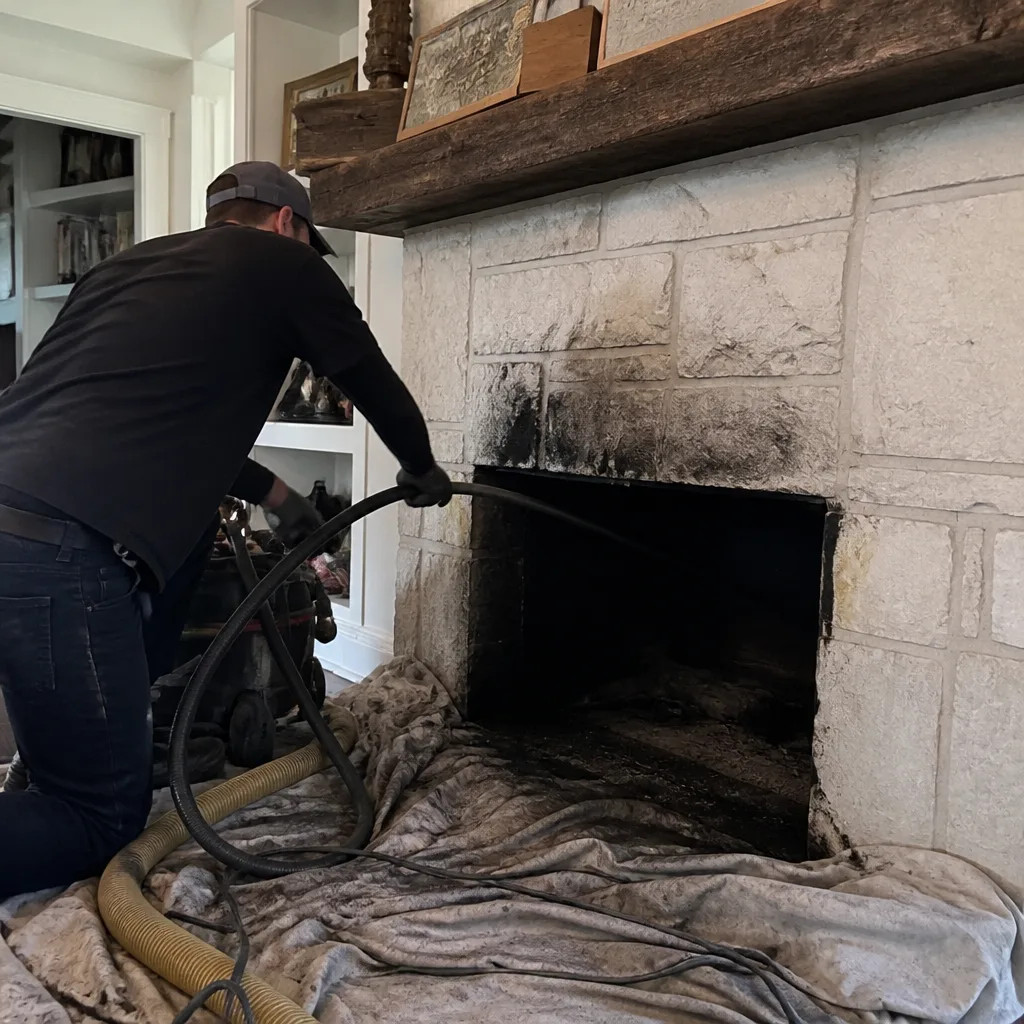 Before
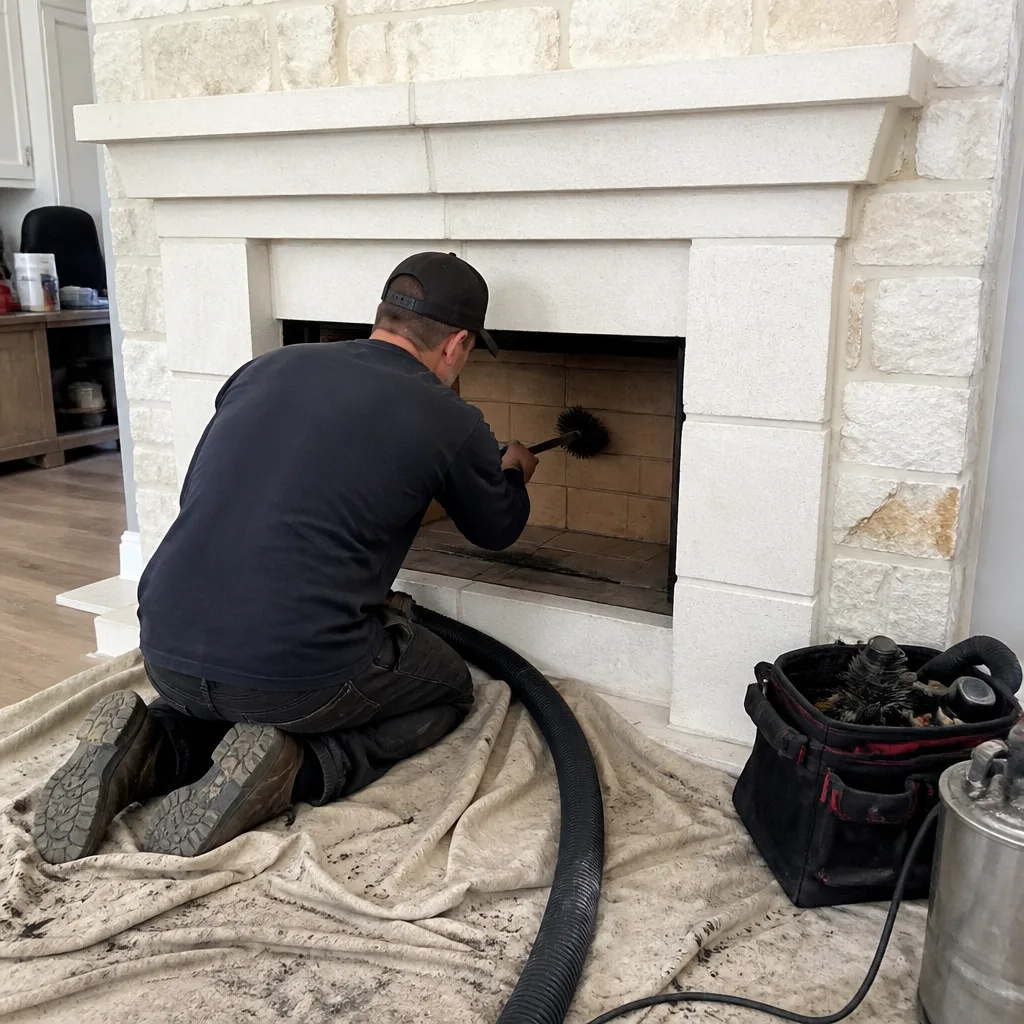 After
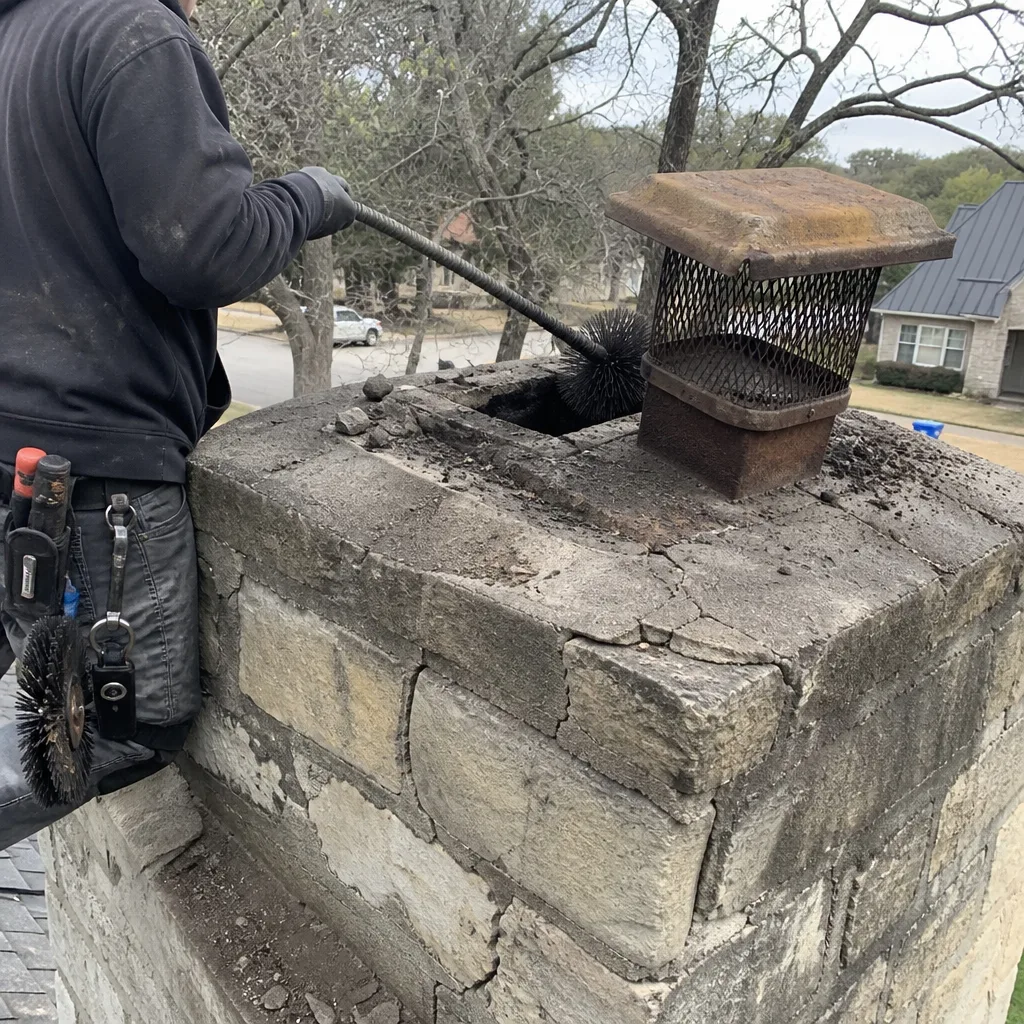 Before
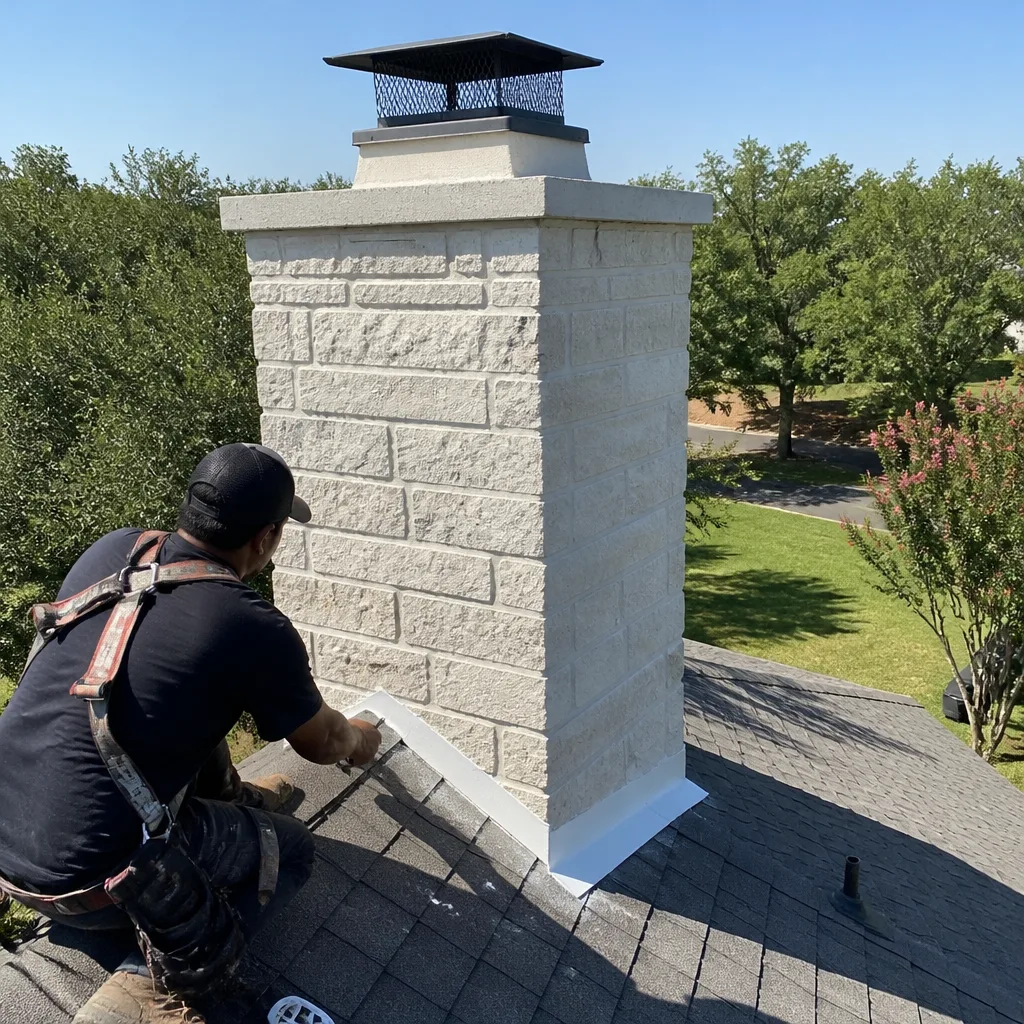 After
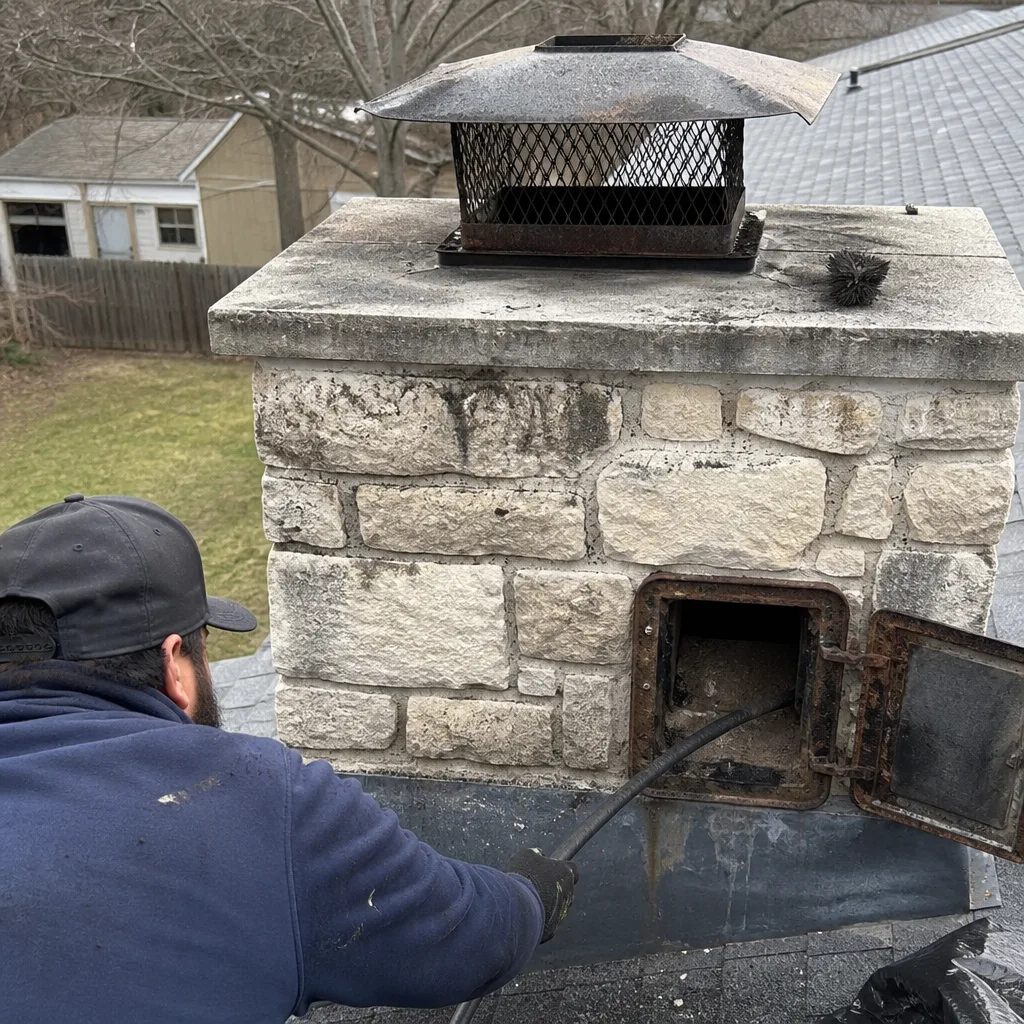 Before
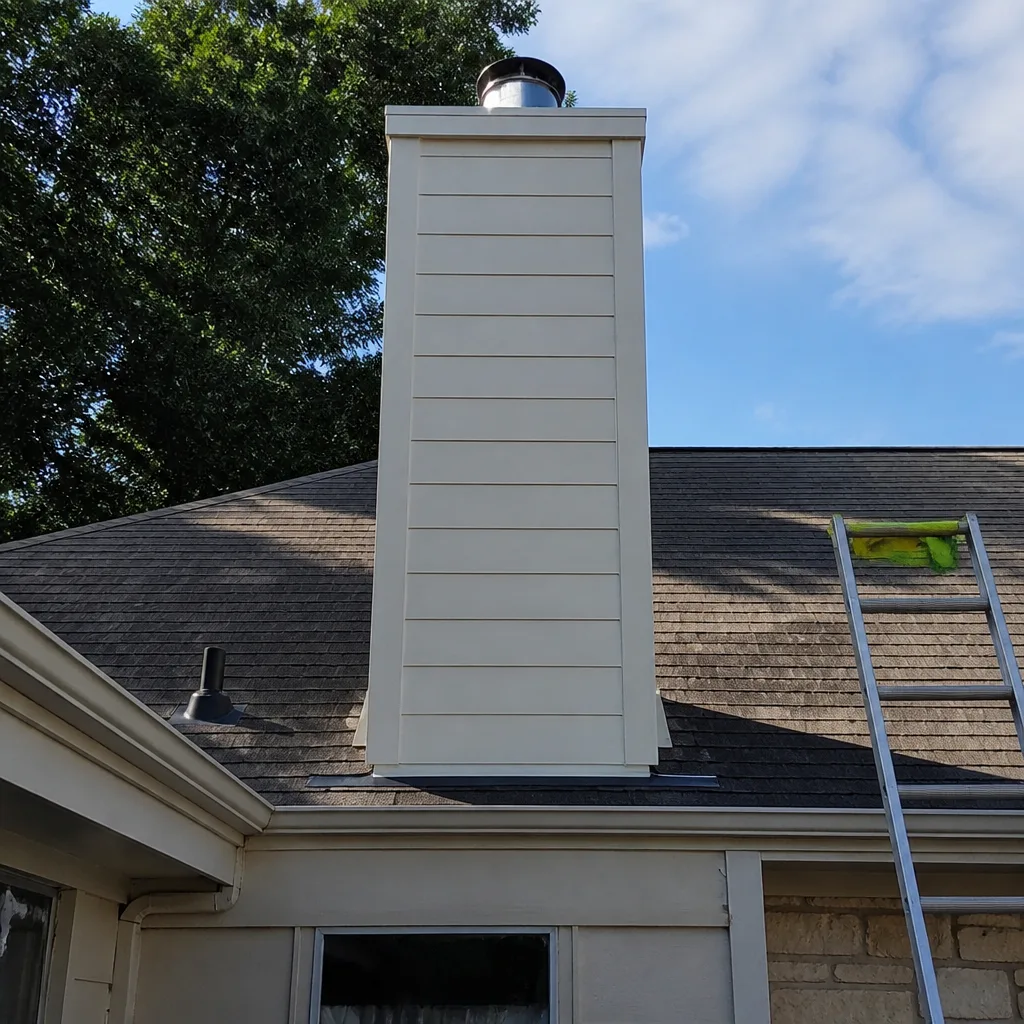 After