Last updated October 31, 2026
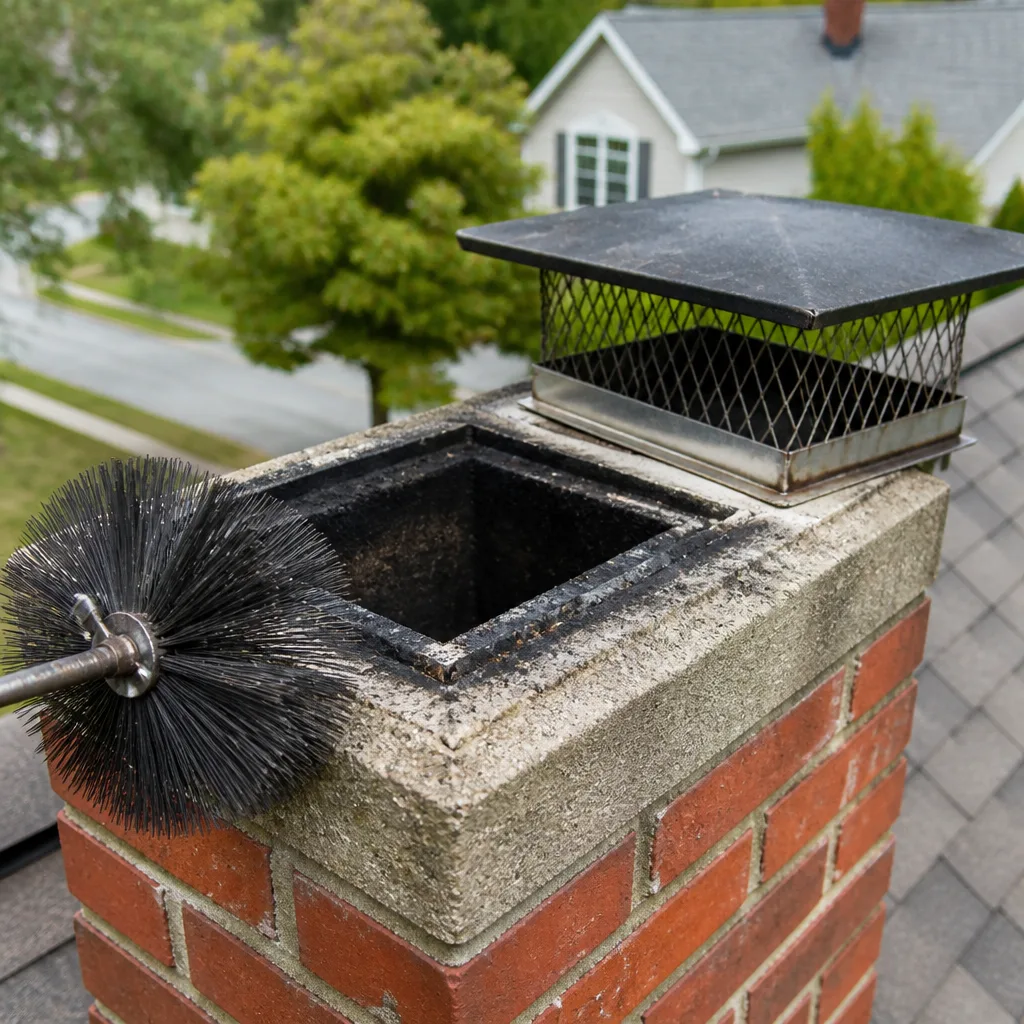 Sweep & inspection
 Caps & crowns
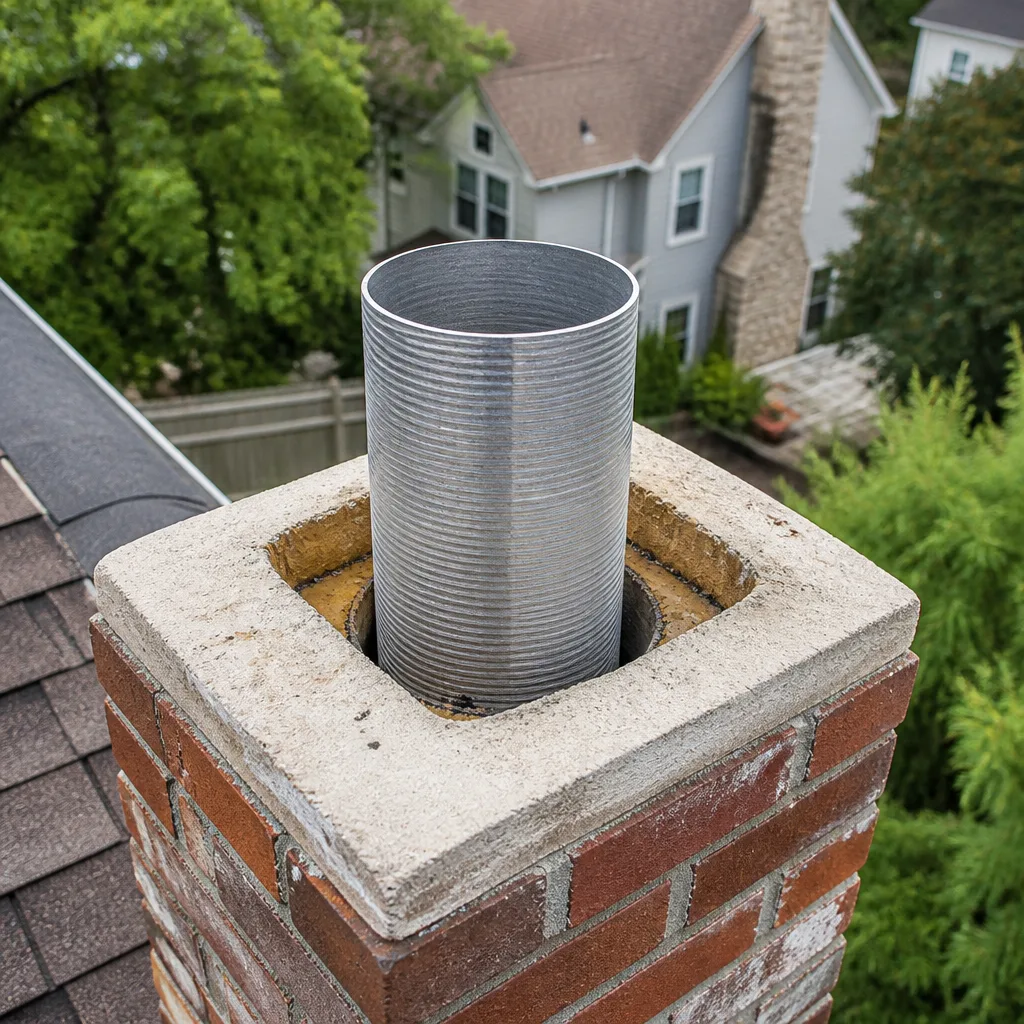 Flue relining
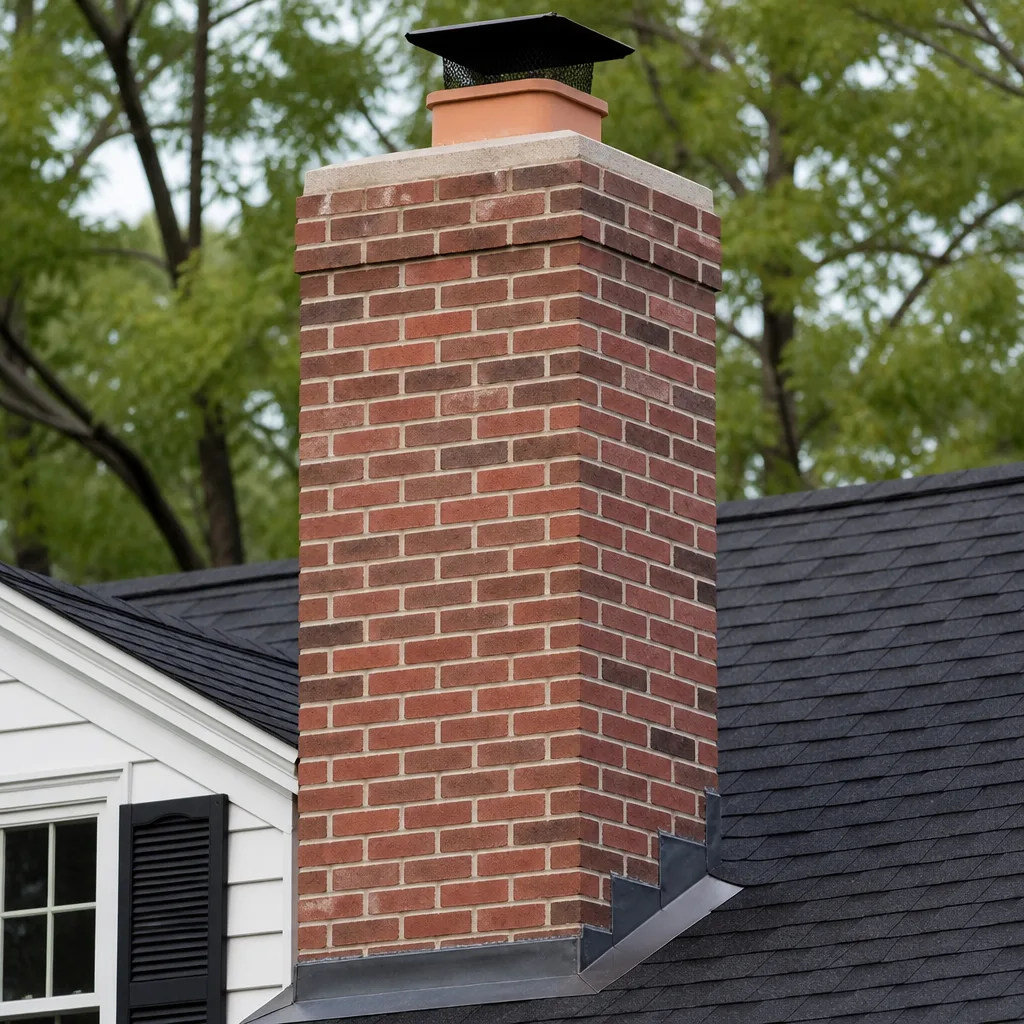 Masonry repair
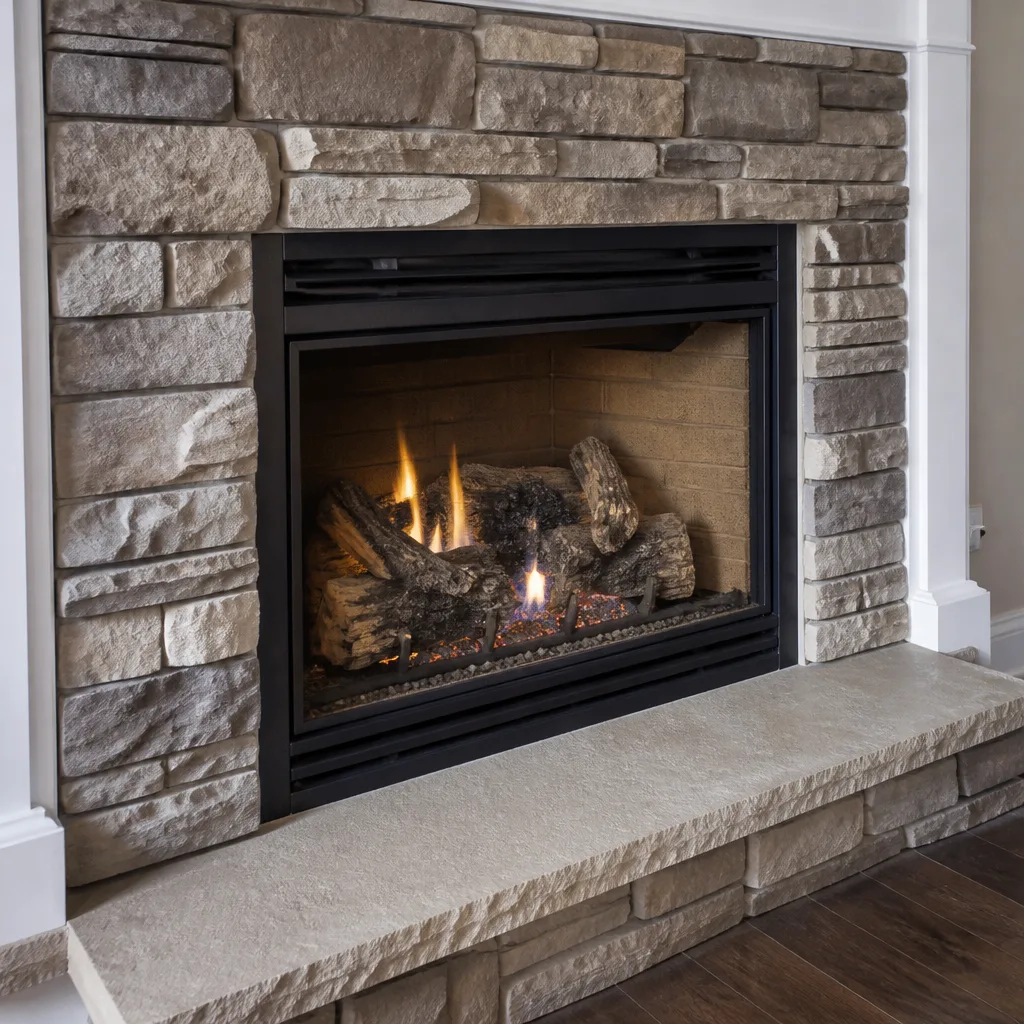 Gas fireplace service
Level 1 sweep and inspection to the NFPA 211 annual standard - flue, crown, cap, and flashing checked and photographed
Chimney sweep logs do not sweep chimneys. They loosen some creosote - which then falls where a brush and vacuum still have to collect it.
How to Hire a Chimney Cleaning Contractor in Georgetown: A Step-by-Step Guide
Texas does not require a state license to call yourself a chimney sweep. Anyone with a ladder, a brush, and a business card can legally offer chimney cleaning in Georgetown, which means the responsibility of verifying competence falls squarely on you. This guide gives you a structured vetting process: the four credentials that separate a qualified technician from a weekend operator, the five questions that expose corner-cutters before they set foot on your property, and the product lines that signal specification-grade work. For more guides & resources on protecting your home, see our blog. We’ll also cover what a legitimate proposal should look like so you can compare bids on equal footing.
Styles & brands we work with
Quick Answer
To hire a chimney cleaning contractor in Georgetown, verify CSIA or NFI certification, ask about the inspection level they include, require a written report, confirm they use professional product lines like DuraFlex or Olympia Chimney, and check they carry liability insurance. A legitimate quote requires a site visit, and the lowest bid often signals off-brand materials that fail faster.
Table of Contents
- Why Texas Leaves It to You
- The Four Credentials That Matter
- Five Questions to Ask Before Booking
- Red Flags That Should End the Call
- How to Read a Sweep’s Proposal
- What Georgetown’s Climate and Housing Stock Mean for Your Chimney
- Why the Product Lines a Company Carries Matter
- Common Mistakes to Avoid
- When to Call a Professional
- Frequently Asked Questions
- The Bottom Line
Why Texas Leaves It to You
Most states that regulate chimney work do so through fire marshal offices or construction licensing boards. Texas is not one of them. There is no Texas chimney sweep license, no state-mandated apprenticeship, and no government inspection of sweep companies operating in Georgetown. This is not an oversight; it reflects a broader deregulatory approach in Texas trade work. The practical effect is that the chimney cleaning market in Georgetown includes both certified professionals who invest in ongoing training and equipment, and uncredentialed operators who buy a rotary brush kit online and start booking jobs the same week.
This creates a specific hiring risk that doesn’t exist with, say, a licensed plumber or electrician. With those trades, the state has already done a baseline vetting for you. With chimney sweeps, you are the vetting authority. The good news is that the credentialing ecosystem for chimney work is well-developed through independent nonprofit bodies: the Chimney Safety Institute of America (CSIA) and the National Fireplace Institute (NFI). Both maintain public directories. Both require continuing education. Both revoke credentials for cause. A homeowner who knows to check these two databases can screen out the majority of unqualified operators in five minutes.
We recommend starting your search with the Chimney Sweep in Georgetown service page to understand what a comprehensive cleaning includes, then cross-referencing any company you consider against the CSIA and NFI directories. The two-step process takes ten minutes and eliminates the biggest hiring mistake in this market: trusting a polished website over verifiable credentials.
The Four Credentials That Matter
Not all certifications carry equal weight. Some companies list memberships in trade associations that accept anyone who pays dues. Others list manufacturer training certificates that reflect a single afternoon seminar. Here is what actually separates a qualified chimney technician from a brush operator in Georgetown.
1. CSIA Certified Chimney Sweep (CCS)
The CSIA credential is the most widely recognized chimney certification in North America. To earn it, a technician must pass a written examination covering chimney physics, drafting principles, building codes, combustion safety, and inspection methodology. The exam is not open-book. Recertification requires continuing education credits every three years. Approximately 1,500 technicians hold this credential nationally, which means a CSIA-certified sweep in Georgetown is relatively rare. If a company employs one, they will say so prominently because it is a genuine differentiator.
What the credential actually signals: the technician understands why drafting fails, how creosote forms and ignites, and what NFPA 211 requires for clearance distances and liner specifications. A brush operator without this training can clean a flue but cannot reliably assess whether the system is safe to operate.
2. NFI Certification
The National Fireplace Institute certifies technicians in three specialties: wood-burning systems, gas hearth systems, and pellet systems. NFI’s gas certification is particularly relevant for Georgetown homeowners with gas fireplaces or gas log sets, which are common in newer construction throughout Williamson County. A technician with NFI Woodburning certification has demonstrated knowledge of stove installation, flue sizing, and heat management that goes beyond basic sweeping.
3. Liability Insurance with Adequate Coverage
Ask for a certificate of insurance (COI) directly from the insurer, not a verbal assurance from the company. The COI should name your property address as additionally insured for the duration of the work. Minimum reasonable coverage for chimney work is $1 million in general liability. A company that hesitates to provide a COI, or provides one that predates the current year, has not demonstrated they can cover property damage if a chimney fire occurs during or after their work.
4. Manufacturer-Led Product Training
This credential is less formalized but equally telling. Companies that stock and install professional product lines like DuraFlex, HeatShield, and Olympia Chimney receive direct training from those manufacturers. The training covers installation tolerances, material compatibility, and warranty requirements. A company that buys all its components from retail home-improvement chains does not have this training relationship because the brands sold at retail are not the brands distributed through professional chimney supply channels.
Five Questions to Ask Before Booking
These five questions are designed to take three minutes on the phone and expose more about a company than any number of online reviews. Ask every one. A qualified professional answers immediately. A corner-cutter hesitates or deflects.
- What inspection level is included with the cleaning? NFPA 211 defines three levels of chimney inspection. Level 1 is a visual check of accessible areas and is included with every professional cleaning. Level 2 adds video scanning of the flue interior and is required when the property changes hands, after a chimney fire, or when a new appliance is installed. Level 3 involves opening concealed areas and is invasive. A legitimate company specifies the level on the proposal. A vague answer means you won’t know what was actually inspected.
- What liner material is in your supply chain? The flue liner is the most safety-critical component in a chimney system. A company that installs DuraFlex flexible stainless liners or specs HeatShield resurfacing material is working with products engineered to UL standards. A company that cannot name the brand of liner they install is sourcing whatever is cheapest at the supply counter that week.
- Do I receive a written report with photos? A professional sweep documents the condition of the flue liner, crown, cap, flashing, and firebox during every visit. The report is evidence of what was found and when. A company that refuses to provide written documentation is not conducting a real inspection; they are just pushing a brush through the flue.
- What products do you source for repairs? Listen for specific brand names. Gelco, Famco, and Copperfield are manufacturer names that appear in professional supply catalogs. If the answer is “we get what we need from the hardware store,” keep looking. Off-brand caps, dampers, and flashing components fail faster because they are built to hit a retail price point, not a service-life standard.
- Can you provide a certificate of insurance before the visit? This should be an immediate yes. If it is not, end the call. An insured chimney company in Georgetown will have the COI on file and can email it in minutes. This is the single most objective test of whether the business is established and legitimate.
One more consideration specific to Georgetown homeowners: ask whether the company handles Dryer Vent Cleaning in Georgetown as a coordinated service. Dryer vents and chimneys share the same failure mode: combustion byproducts and lint accumulate in an enclosed flue until airflow is restricted and fire risk rises. A company that services both systems demonstrates a broader technical understanding of exhaust and venting, not just a single brush-and-vacuum routine.
Red Flags That Should End the Call
Some warning signs are obvious: a quote given over the phone without a site visit, a demand for full payment upfront, or a company that cannot produce any written documentation. Others are subtler but equally disqualifying.
Quotes without a site visit. A chimney’s condition cannot be assessed from a phone call or a photo. Flue geometry, roof pitch, liner accessibility, and existing damage all affect the scope of work. Any company quoting a flat price without seeing the chimney is either planning to upsell you on site or does not intend to do the work they are quoting.
Refusal to provide a written report. A verbal summary of “looks fine to me” is not an inspection. The written report is your evidence that the company actually looked at the liner, smoke shelf, damper, and crown. It is also the document a future buyer will ask for when you sell the house in Georgetown. No report, no record, no accountability.
No named professional product lines. Ask what brand of cap, damper, or liner a company installs. If they cannot name a manufacturer off the top of their head, they are not buying through professional channels. This matters because professional product lines carry manufacturer warranties that retail products do not. A DuraFlex liner installed by a trained technician is covered by a manufacturer warranty. A generic liner from a big-box store is not.
Pressure to replace rather than repair. A legitimate sweep will tell you when a liner can be repaired and when it must be replaced. An operator whose business model depends on selling replacement liners will find reasons to replace every liner they encounter. The distinction is money: a HeatShield resurfacing job costs a fraction of a full reline and is often the correct fix for minor cracks. A company that does not offer resurfacing as an option either lacks the technical capability or is steering you toward a more expensive job.
Sweep-only scope with referral out for repairs. This is not always a red flag; many excellent companies focus on cleaning and refer repair work to trusted partners. But be aware of what it means for your timeline and accountability. If a sweep finds a cracked flue tile during cleaning and refers the repair elsewhere, you now manage two companies and a gap in the record. Companies that offer Chimney Repair in Georgetown alongside cleaning close that gap: found during the sweep, fixed by us, documented in one report.
How to Read a Sweep’s Proposal
A legitimate proposal tells you exactly what will be done, what will be inspected, what materials will be used if work is needed, and what it will cost. A vague proposal hides scope gaps. Here is how to tell the difference.
A proper chimney sweep proposal includes:
- Explicit inspection level. “Level 1 inspection per NFPA 211” or “Level 2 inspection with video scan of flue interior.” If the word “inspection” appears without a level, ask for it in writing.
- Named component brands. If a cap replacement is recommended, the proposal should say “Olympia Chimney cap” or “Gelco damper” or “Famco flashing.” A proposal that says “new cap” with no manufacturer named is a proposal for whatever the supplier has on the shelf.
- Scope of the cleaning. Does it include the smoke shelf, smoke chamber, firebox, damper, and cap? These are the areas where creosote accumulates and where failures begin. A proposal that says “sweep flue” is not covering the full system.
- Photo documentation. The proposal should state that photos will be taken and included in the report. If your chimney has a camera inspection as part of a Level 2, you should receive those images. This is how you verify claims about liner cracks or deteriorating mortar without climbing onto the roof yourself.
- Repair line items with material specs. If the sweep recommends repairs, each line item should specify the material, brand, and labor. “Repair crown with proper material” is not a specification. “Repair crown with mortar rated for exterior exposure, color-matched to existing” is.
What a vague proposal looks like: “Chimney cleaning – $149.” That’s it. No inspection level, no scope of work, no named components, no report commitment. A line item like that gives the contractor unlimited discretion to do the minimum and bill for the maximum. In Georgetown’s competitive sweep market, the lowest quote often looks exactly like this. You are not buying a cleaning; you are buying a receipt for a brush going through a pipe.
What Georgetown’s Climate and Housing Stock Mean for Your Chimney
Georgetown’s climate poses specific challenges for chimney systems. We see the evidence in nearly every inspection: hairline cracks in exterior mortar, spalling brick on chimneys with southern exposure, and rusted caps on homes built before 2000.
The issue is the freeze-thaw cycle. Georgetown sits in a zone where winter lows regularly dip below freezing at night and climb into the 50s during the day. Water enters tiny cracks in masonry, freezes, expands, and widens the crack. Repeat this a hundred times over a winter, and a hairline fissure becomes a structural gap. Chimneys with southern and western exposure take the worst of it because they absorb afternoon sun, which accelerates drying and contraction against the colder interior face.
The housing stock compounds the problem. Georgetown grew rapidly in two waves: a pre-2000 wave of brick-veneer homes with masonry chimneys, and a post-2010 wave of frame construction with manufactured chimney systems. The older masonry chimneys are now 25 to 40 years old and entering the phase where original mortar joints fail. The newer manufactured chimneys have their own failure mode: poor installation flashing that leaks at the roof penetration.
None of this means you should avoid buying or occupying a home with a chimney in Georgetown. It means you should hire someone who knows what Georgetown masonry does over decades. A sweep who trained in the Northeast and recently relocated may be technically excellent but will not have seen how Texas clay brick responds to wet-dry cycling in this specific climate. A local company sees the pattern across hundreds of homes every year.
We also see a seasonal pattern in Georgetown scheduling. The busiest months for chimney cleaning are October through December, as homeowners prep for burning season. By January, crews are booked solid with repairs discovered during fall inspections. If you wait until the first cold snap to book a cleaning, expect a wait. Book in September and you’ll get the full attention of the company and your choice of appointment times.
Why the Product Lines a Company Carries Matter
Two companies can both offer chimney repair. One installs a stainless liner from a manufacturer that tests to UL 1777 standards and backs the product with a transferable warranty. The other installs a liner of unknown origin purchased at a discount. The work looks identical on the invoice: “stainless liner installed.” The difference shows up in year eight when the off-brand liner corrodes through and requires replacement while the spec-grade liner is still under warranty.
This is why we ask homeowners to look at the product lines a company carries, not just the price of the service. Professional chimney supply houses distribute brands like DuraFlex, Olympia Chimney, Gelco, Famco, and Copperfield. These are not brands you will find in the home-improvement store because the manufacturers sell exclusively through professional channels, which allows them to maintain quality standards and warranty integrity.
A company that installs DuraFlex flexible liner systems is working with a product engineered for the specific draft and temperature conditions inside a residential chimney. A company that installs “a flexible liner” of unspecified origin is working with a product engineered for whatever price point the local supply counter offered that week. The difference is not cosmetic. A liner failure in a wood-burning fireplace is a fire hazard, not a maintenance annoyance.
HeatShield resurfacing is another marker of technical capability. The process involves repairing cracked flue tiles with a proprietary ceramic material applied with specialized equipment. It is a repair option between “do nothing” and “full reline,” and it requires manufacturer certification to install. A company that offers HeatShield resurfacing has demonstrated the capability to perform a repair that basic sweep companies cannot. A company that does not offer it may simply be honest about their scope, but it also means your repair options are limited to whatever they can handle in-house.
The Resolute Chimney Sweep service model is built around this principle: Resolute Chimney Sweep home services are specified by the same professional product lines that certified chimney professionals specify, so the repair you get is the same one an industry expert would recommend, not a hardware-store compromise.
Common Mistakes to Avoid
- Hiring based on the lowest quote. The lowest quote in Georgetown typically comes from a company that does not carry liability insurance, does not provide written reports, and sources generic components. You are not saving money if the cleaning misses damage that requires a $4,000 repair in two years.
- Skipping the inspection because the chimney “looks fine.” The most dangerous condition in a chimney is the one you cannot see from ground level: a cracked flue liner hidden behind masonry. “Looks fine” from the driveway means nothing.
- Assuming gas fireplaces don’t need service. Gas appliances produce water vapor and acidic condensate that degrade masonry and metal components, just more slowly than wood. A gas chimney in Georgetown should be inspected every two years, and the logs, burner, and pilot should be serviced annually.
- Accepting a verbal report. If it isn’t written, it didn’t happen. Insist on a written report with photos, and keep it with your home records. When you sell, the buyer’s inspector will ask for it.
- Ignoring dryer vents as part of home safety. Lint buildup in dryer vents is one of the leading causes of residential structure fires in Texas. A company that handles both chimneys and dryer vents gives you a single point of accountability for combustion and exhaust safety.
- Hiring a general handyman for chimney work. Chimney physics is not general knowledge. Drafting, clearance to combustibles, and liner specifications are governed by NFPA 211 and the IRC. A handyman who “does chimneys too” does not have the training to catch what a certified sweep catches.
- Waiting until burning season to book. October through December in Georgetown is peak chimney season. Booking in September means better scheduling flexibility and more time to address any problems before you light the first fire.
When to Call a Professional
Book a chimney cleaning when any of these applies: you burn more than one cord of wood per season, you notice a campfire smell in the house when the fireplace is not in use, you see dark staining on the chimney exterior, you hear animals in the flue, or it has been more than two years since the last inspection. After any chimney fire, even a small one, stop using the fireplace immediately and schedule a Level 2 inspection before the next burn. The same urgency applies after major storms that may have damaged the cap or crown. Chimney Sweep in Georgetown service is available year-round, and the off-season months often offer faster scheduling. Resolute Chimney Sweep offers free estimates in Georgetown, call (877) 644-8036.
Frequently Asked Questions
A standard chimney sweep and Level 1 inspection in Georgetown typically ranges from $150 to $350 depending on chimney size, accessibility, and whether the system includes a wood-burning fireplace or a gas appliance. See our Chimney Cleaning Cost Breakdown: The Georgetown Homeowner’s Reference for 2026 for full pricing factors. Expect the upper end for masonry chimneys on steep roofs or with hard-to-access flues. The price should include the cleaning, the inspection, and a written report with photos. If a quote does not include the report, ask what it costs separately. Call (877) 644-8036 for an exact quote, estimates are free.
Look up the company or technician name in the CSIA’s public directory at csia.org and the NFI directory at nficertified.org. Both directories are searchable by name and location and show current credential status. If a company claims certification but does not appear in the directory, ask whether the technician is certified under a different name or whether the credential has lapsed. Legitimate certifications are verifiable in under two minutes.
The National Fire Protection Association recommends a cleaning and inspection whenever creosote buildup reaches 1/8 inch, which for most homeowners in Georgetown who burn regularly translates to once per year. If you burn only occasionally or use a gas fireplace, every two years is sufficient. The annual visit is as much about inspection as cleaning; catching a cracked flue tile during a routine sweep costs you a repair. Our Chimney Cleaning Emergency Preparedness Guide for Georgetown Homes explains what to watch for between visits. Catching it after a chimney fire costs you a rebuild.
A Level 1 inspection covers accessible areas of the chimney with a visual check and is included with every professional cleaning. A Level 2 inspection adds video scanning of the flue interior and is required when a property changes hands, after a chimney fire, or when a new heating appliance is installed. A Level 2 video scan reveals hairline cracks, hidden gaps, and damage that a visual check cannot detect. When we discover issues during a Level 1 sweep in Georgetown, we recommend upgrading to a Level 2 before any repair work is spec’d.
You can buy a chimney brush at the hardware store, but the brush is not the point. The point is the inspection. A certified sweep knows what a deteriorating flue liner looks like, what a failed cap means for water damage, and what drafting problems indicate about clearances. Amateurs with brushes remove the visible soot while walking past the conditions that will cause a fire. We’ve repaired Georgetown chimneys that homeowners had been “cleaning” themselves for years, and the flue conditions were worse than chimneys that had been professionally maintained.
Gas fireplaces produce less creosote than wood-burning systems, but they still require inspection. Gas combustion creates acidic condensation that attacks masonry and metal components over time. A gas chimney in Georgetown should be inspected every two years, and the burner, logs, and pilot should be serviced annually by a technician with NFI gas certification. The inspection checks for blocked flues, cracked liners, and improper drafting that can allow carbon monoxide into the living space.
For any of these questions specific to your home, call Resolute Chimney Sweep at (877) 644-8036 for a consultation. We’re happy to walk through what your chimney needs and what it doesn’t.
The Bottom Line
Hiring a chimney cleaning contractor in Georgetown comes down to four verifiable checks: CSIA or NFI certification, liability insurance with a certificate you can see, a written report commitment, and named professional product lines in their supply chain. Ask the five questions before booking. Reject any company that refuses a site visit, won’t provide written documentation, or cannot name the brands they install. The lowest bid in this market is usually low because the operator is cutting the corner that matters most: the materials and training that protect your home from chimney fire. Hire the company that can show its work, and you’ll have a chimney that is safe to burn in Georgetown winters for decades.
Written by the team at Resolute Chimney Sweep, serving Georgetown since 2014.
See the difference
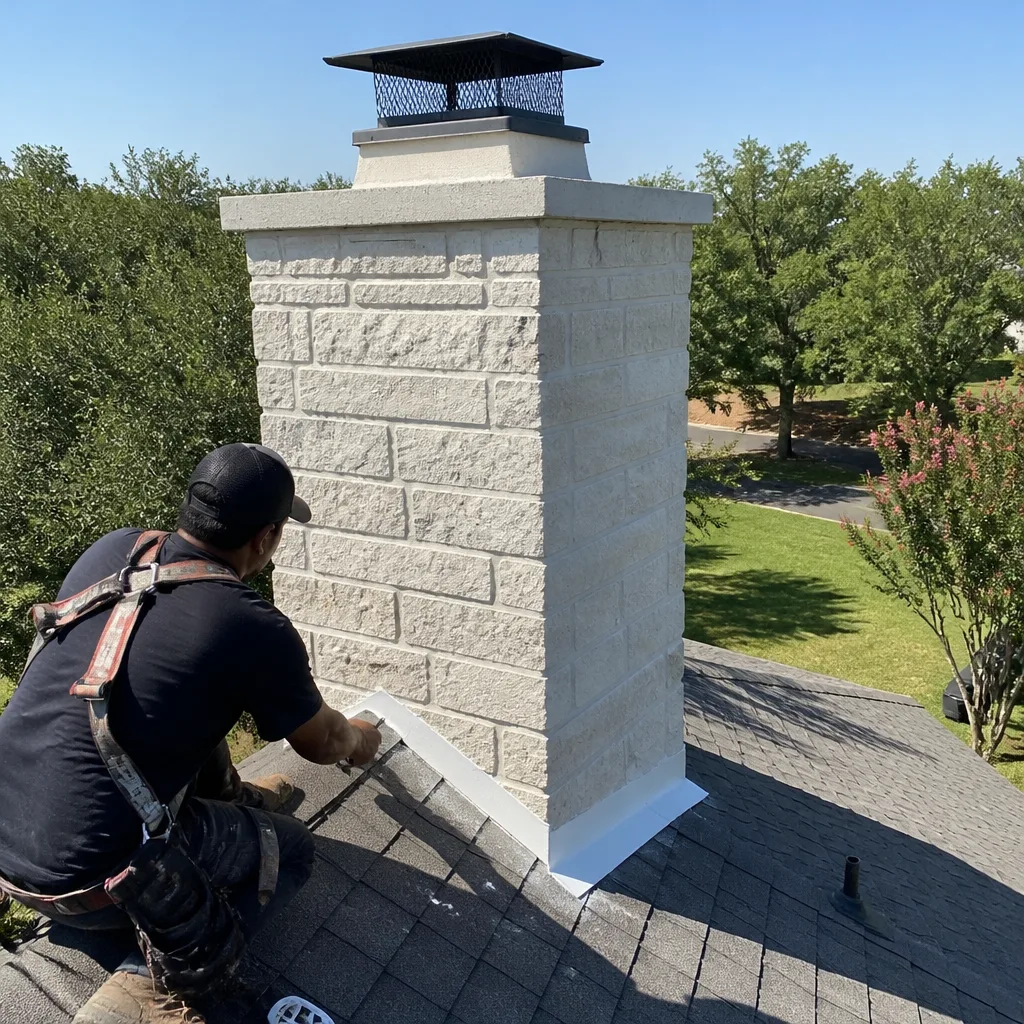
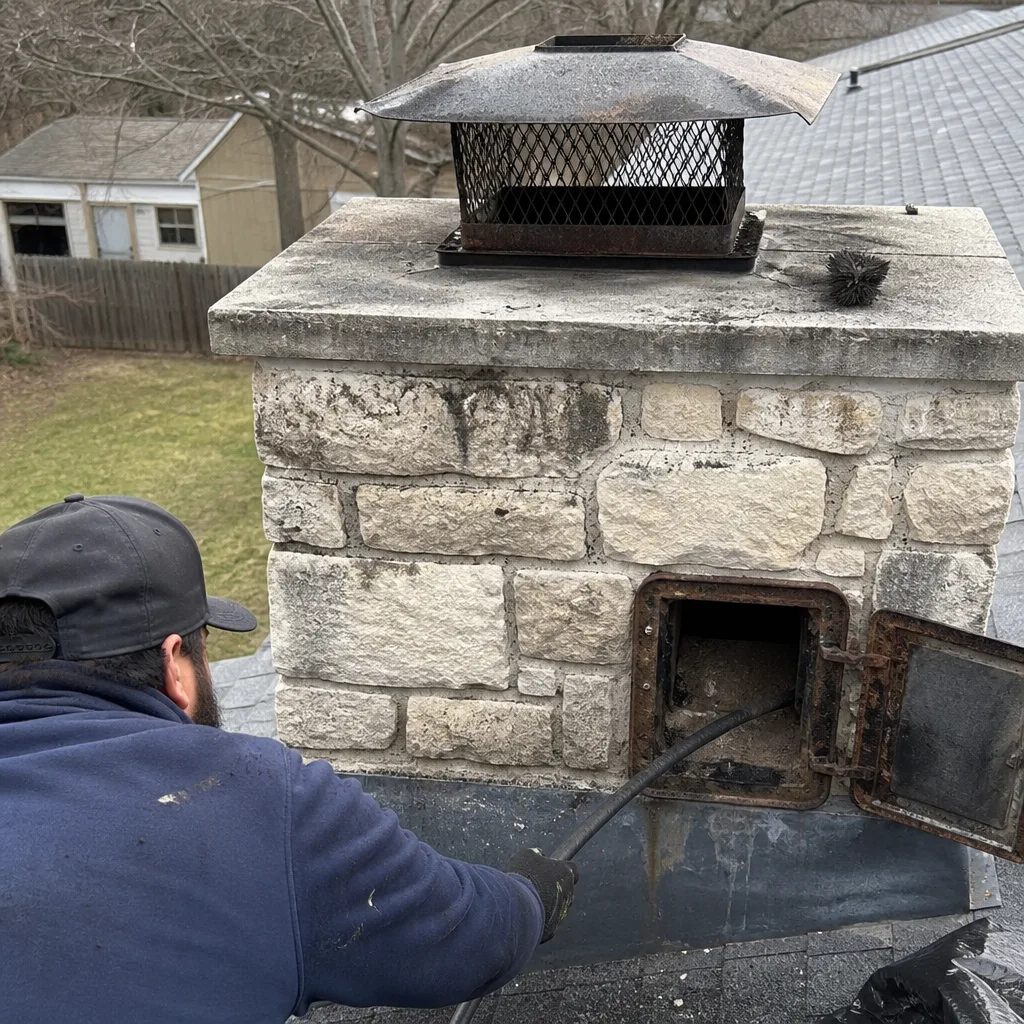
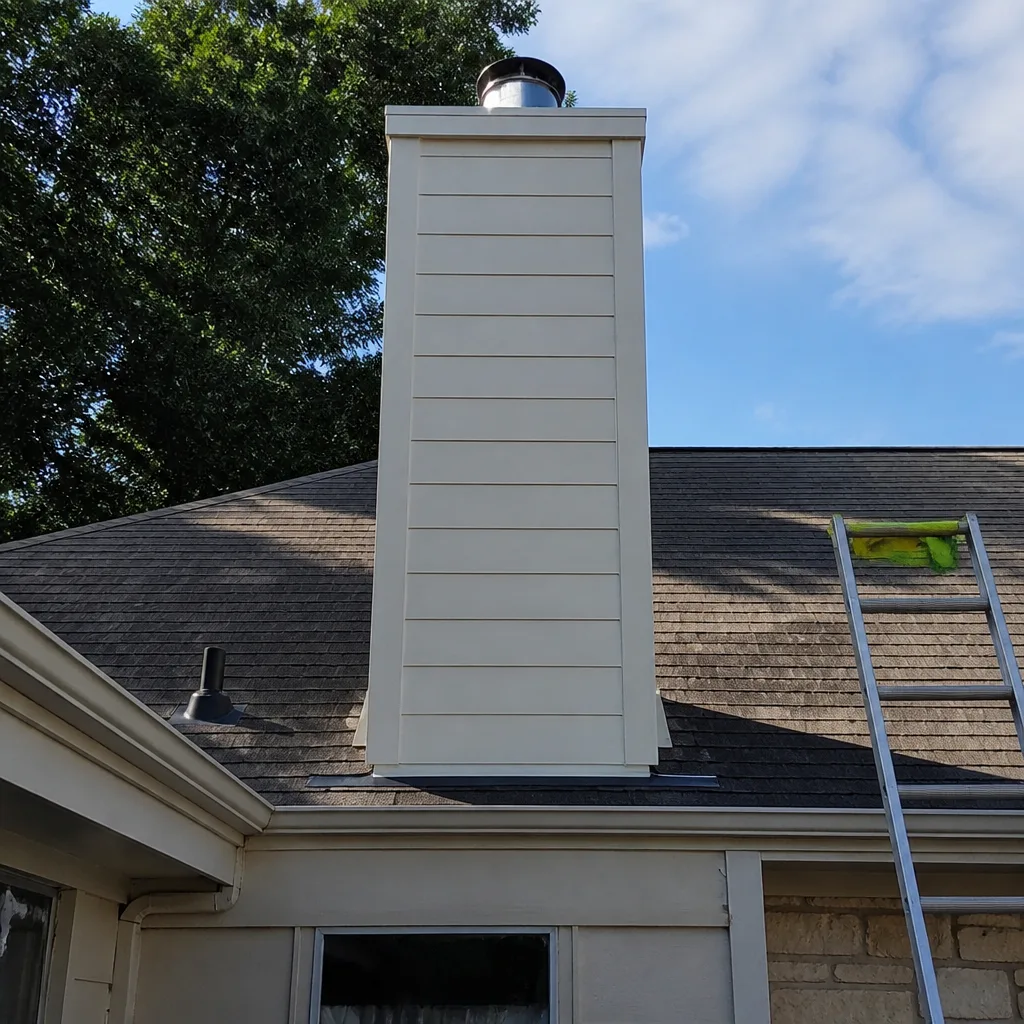
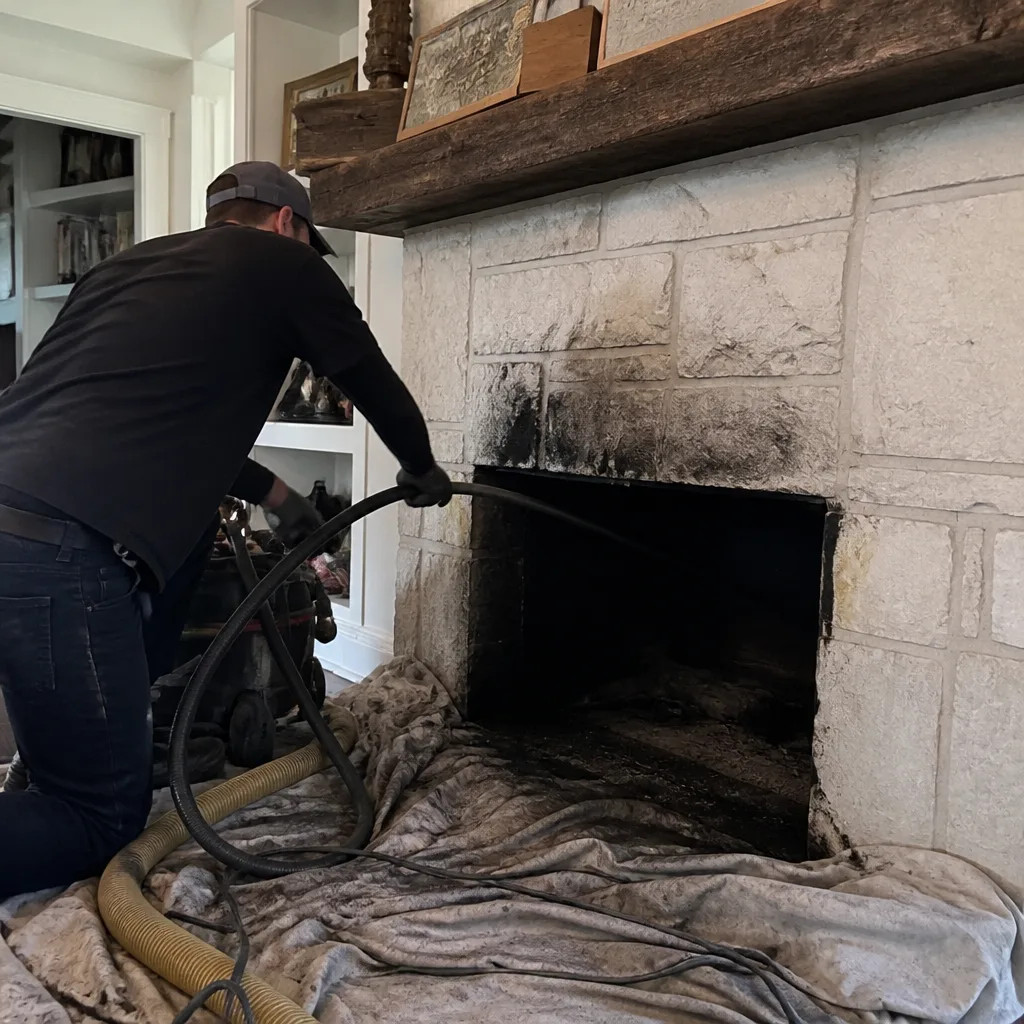 Before
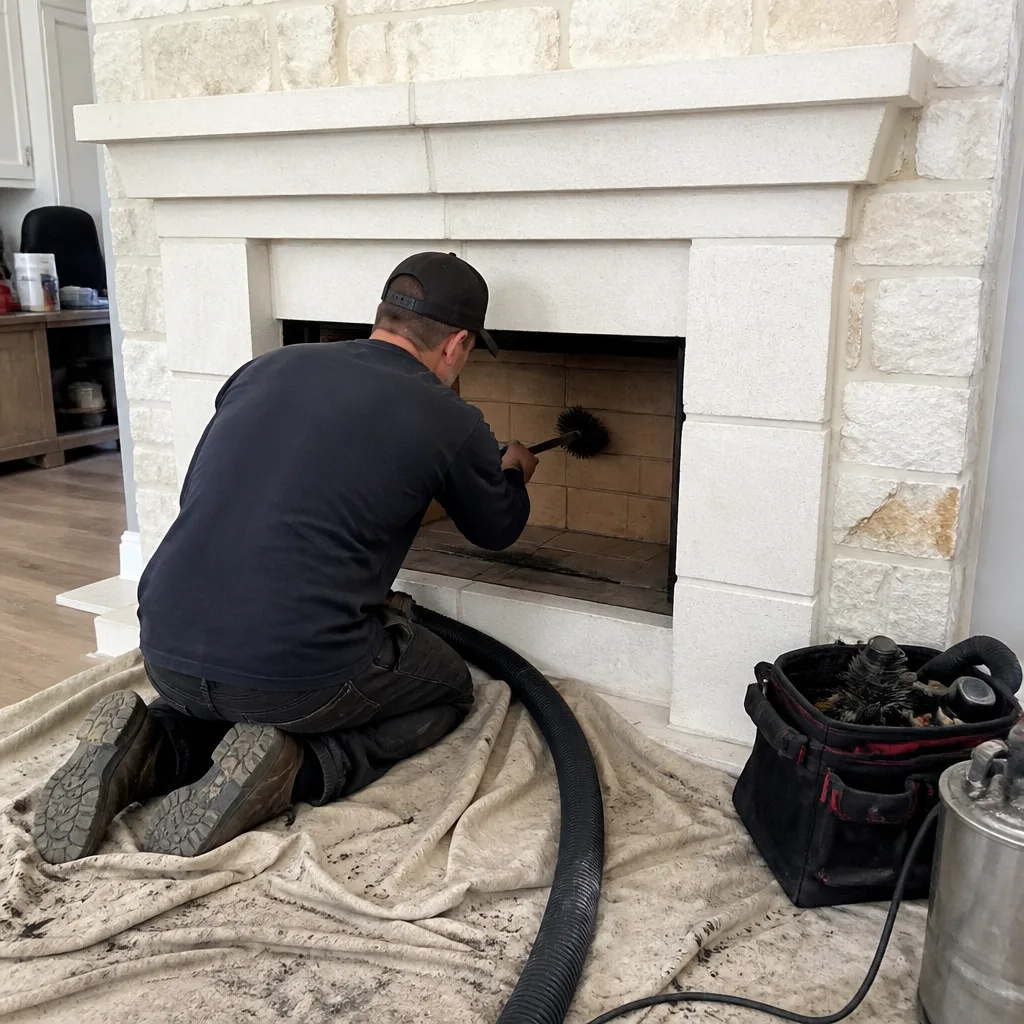 After
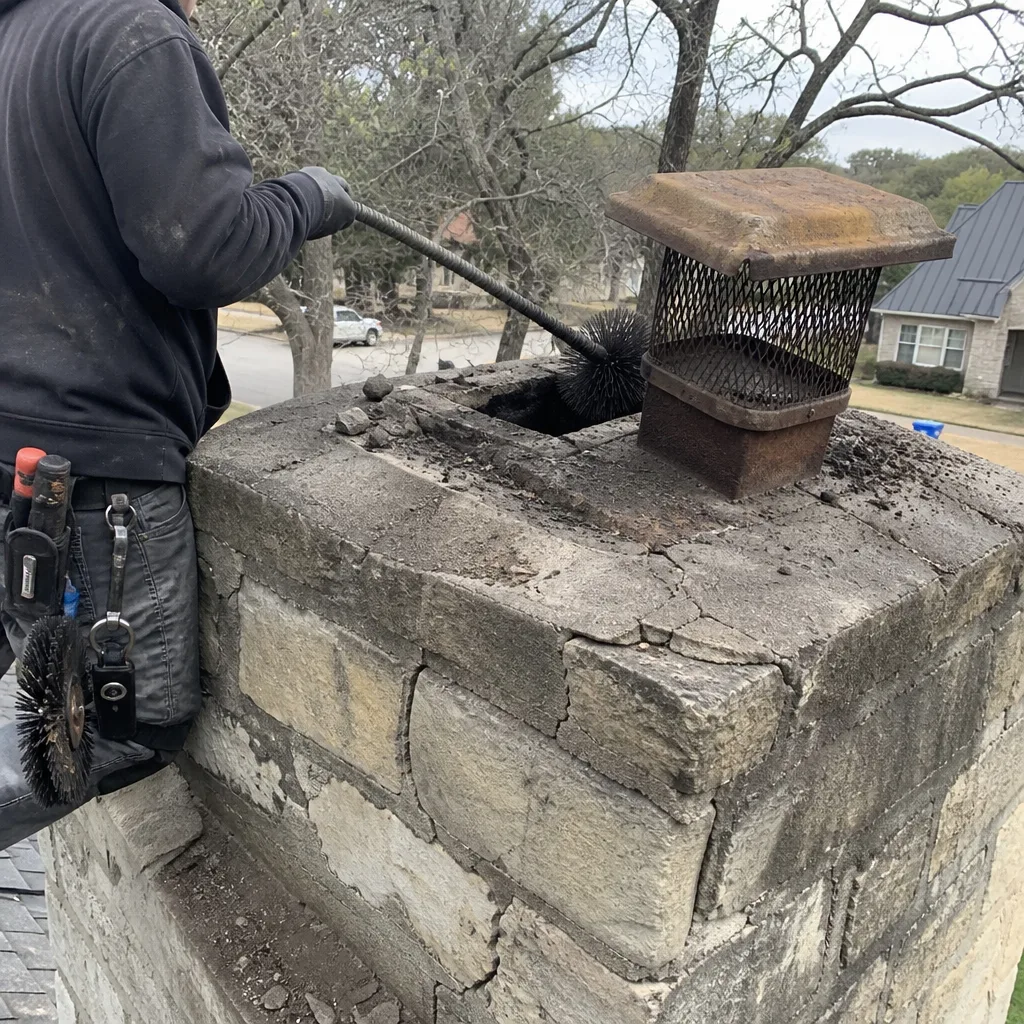 Before
 After
 Before
 After